Top Round Roast Beef Recipe

I still remember Sundays when the kitchen smelled of garlic, roast beef, and a whisper of rosemary curling through the air. It wasn’t fancy, just cozy and honest, the kind of meal that makes a house feel like a hug. This Top Round Roast Beef Recipe became our family’s go-to because it’s lean, flavorful, and surprisingly forgiving—a rare combination when you’re juggling kids, work, and life. It’s the kind of centerpiece that looks effortless on the table, yet rich with flavor at every bite. If you’ve ever compared a simple roast to a pot roast, you know the aroma of a well-roasted top round is in a league of its own—crusty edges, juicy interior, and that aroma that says, “pull up a chair.” I’ve shared this with friends, and they always say, “This tastes like you slow-cooked all day,” even when I whipped it up after a chaotic afternoon. I’ve found the secret is a good rub, a quick sear, and a patient rest. This Top Round Roast Beef Recipe is a lifesaver on busy nights and a guaranteed crowd-pleaser for family feasts.
What is the best recipe for roast beef?
Think of this as a clean, lean roast that thrives with a bold herb-kissed crust and a gentle roast to keep the meat tender. Top round comes from the rear leg of the animal—it’s a slender, muscular cut that rewards a careful balance of sear and slow cooking. The name hints at its location, but the magic is in the technique: a high-heat start to form a crust, followed by a lower, steady finish so the inside stays juicy rather than dry. This recipe embraces the simplicity of the cut, letting the natural beefy flavor speak for itself while the rub brings warmth, depth, and a touch of brightness. It’s essentially a win-win: a lean cut that doesn’t require a long cooking time to shine, especially when you treat it with a little patience, a few herbs, and a mindful resting period.
Why you
What I love most about this Top Round Roast Beef Recipe is how dependable it feels. It’s a dish you can count on, even on nights when you’re running a mile a minute. The beef remains tender and flavorful, the crust crackles with spice, and the scent pulls everyone into the kitchen like a warm invitation. The flavor profile is straightforward but infinitely satisfying: beefy and savory with a hint of garlic, rosemary, and a touch of smoke from paprika. It’s budget-friendly, too—the top round is a comparatively lean cut, which means you can feed a crowd without breaking the bank. And if you’re feeding a variety of palates, this roast adapts beautifully: serve it simply with mashed potatoes, or slice it thin for sandwiches, or pair with roasted vegetables to make a comforting Sunday dinner. What I rarely see in a weeknight roast is this balance between speed and depth—the high-heat sear adds a crust that tastes like it spent hours braising, and the rest lets the juices redistribute so every slice stays moist. My kids actually ask for seconds, and the neighbors always compliment the aroma drifting through the house. If you’ve got a party coming up or just a quiet evening when you want something special, this recipe is your quiet hero. And yes, leftovers are spectacular—thin slices on a baguette with horseradish butter is my favorite quick lunch next day. Trust me on this one, you’ll reach for it again and again.
How do I make a top round
Quick Overview
We start with a hot pan to awaken a gorgeous crust, then we finish the roast low and slow so the interior stays juicy. The trick is a flavorful rub that sticks, a brief but thorough sear to lock in flavors, and a measured roast to hit medium-rare or medium. If you’ve got time, you can rest the meat longer after cooking for even more tenderness; if you’re in a rush, a 15-minute rest still does wonders. The result is a sliced roast with a rosy center and a crust that crackles when you cut into it. It’s simple, crowd-friendly, and remarkably forgiving—perfect for new cooks who want something that feels special without being complicated.
Ingredients
For the
- 4–5 lb top round roast beef, trimmed (about 2.0–2.5 kg) — don’t trim too aggressively; a touch of fat adds flavor
- 2 tbsp olive oil (extra-virgin for flavor)
- 1 tbsp kosher salt (adjust to taste)
- 1 tsp freshly ground Black Pepper
- 1 tsp smoked paprika (optional for a subtle smoky note)
- 1 tsp garlic powder
- 1/2 tsp onion powder
- 1/2 tsp dried thyme
- 1/2 tsp dried rosemary, crushed in your fingers
- 1/4 tsp cayenne (optional, for a gentle kick)
- 2 cloves garlic, minced
- 1 tbsp fresh thyme leaves (or 1 tsp dried)
For the Filling:
- 1/2 cup finely chopped mushrooms (cremini or white button)
- 1/4 cup finely minced onion
- 2 tbsp butter
- 2 cloves garlic, minced
- 1/4 cup breadcrumbs (optional for structure)
- 1/4 cup grated Swiss or Gruyère cheese (optional for a cheesy, savory center)
- Salt and pepper to taste
For the Glaze:
- 2 tbsp butter
- 2 tbsp beef stock or pan juices
- 1 tbsp honey or Brown Sugar (optional for a hint of sweetness)
- 1 tbsp balsamic vinegar or wine (for color and balance)
- 1 tsp fresh horseradish or Dijon mustard (optional for zing)
Step-by-Step Instructions
Step 1: Preheat & Prep Pan
Set your oven to 450°F (230°C). While it comes to temp, pat the roast dry with paper towels—moisture is the enemy of a good crust. Heat a heavy, ovenproof skillet or Dutch oven over medium-high heat and add the Olive Oil. You want the pan screaming hot when the meat lands in it so you get a deep, caramelized crust.
Step 2: Mix Dry Ingredients
In a small bowl, combine salt, pepper, paprika, garlic powder, onion powder, thyme, and crushed rosemary. These are your flavor anchors. They’ll cling to the roast as it sears, forming the flavor backbone you’ll taste in every slice.
Step 3: Mix Wet Ingredients
In another little bowl, mix the minced garlic with a tablespoon of Olive Oil. That garlic infusion will perfume the surface without burning in the hot pan. If you like, add a drop of honey to the oil to help with browning, but it’s optional.
Step 4: Combine
Pat the roast dry again, then rub it all over with the dry mix. Drizzle the garlic-oil mixture over and massage the rub into every crevice. Finally, rub the roast with the remaining olive oil to ensure a crisp, even crust as it sears.
Step 5: Prepare Filling
If you’re making a stuffed roast, melt butter in a skillet over medium heat. Sauté onions and mushrooms until they’re soft and the moisture has evaporated a bit. Stir in garlic, then breadcrumbs and cheese (if using). Season with a pinch of salt and pepper. Let this cool slightly so you don’t burn the meat when you roll it.
Step 6: Layer & Swirl
Sear the meat in the hot pan on all sides for about 3–4 minutes per side, until a rich brown crust forms. If you’re stuffing the roast, gently spread the filling across the center and roll the meat around it, securing with kitchen twine. You want a tight, uniform roll so it cooks evenly and slices cleanly. If you’re not stuffing, you can skip this step and proceed to roasting as a simple, seasoned beef roast.
Step 7: Bake
After searing, slide the pan into the 450°F oven for 10–15 minutes to develop a crust, then reduce the oven to 325–350°F (165–175°C) and continue roasting until the internal temperature reaches your target doneness. For medium-rare, pull at about 130–135°F (54–57°C); for medium, aim for 140–145°F (60–63°C). This usually totals about 45–70 minutes more, depending on roast size and your oven. Let the roast rest on a cutting board for 15–20 minutes; the juices will redistribute and the meat will become more tender when sliced.
Step 8: Cool & Glaze
Meanwhile, simmer the glaze ingredients in a small saucepan until glossy and slightly thickened, about 3–5 minutes. Brush the glaze over the roast as it rests, letting it set into the crust for a flavorful shine. If you’re storing leftovers, you can rewarm and brush with more glaze to refresh the crust.
Step 9: Slice & Serve
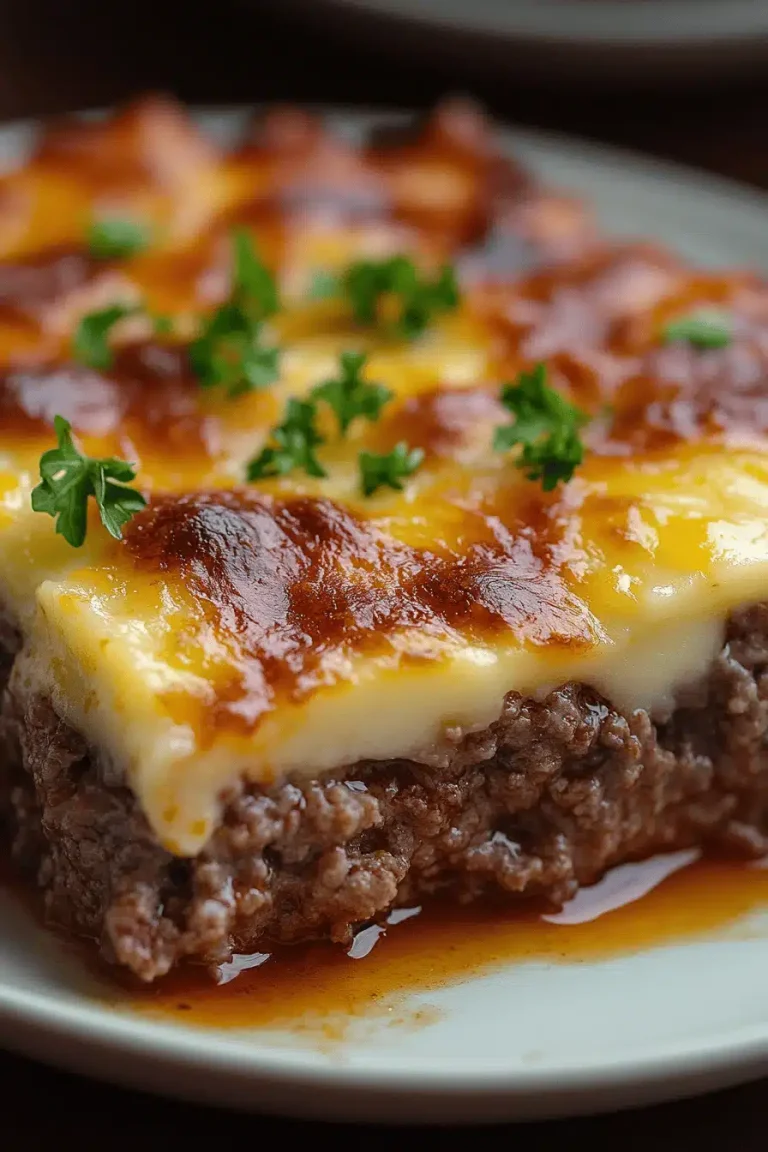
To carve, position the roast on a sturdy cutting board and slice across the grain for tenderness. If you stuffed and rolled, slice thick rounds to show off the filling and crust. Fan the slices on a warmed platter, drizzle with any pan juices, and sprinkle a touch of flaky salt for a finish that crackles with flavor. This is where the aroma hits you first—the savory perfume lifting from the plate as you serve.
What to Serve It With
Here’s how I like to round out the meal, depending on the moment and the crowd.
For Breakfast: Leftover roast beef makes a killer hash. Dice the meat and toss with potatoes, peppers, and onions, then top with a fried egg. The rich, beefy flavors wake up a sleepy kitchen in seconds. If you’re feeling extra indulgent, fold in a little grated cheese for a quick, comforting finish.
For Brunch: A warm benevolent plate of sliced roast beef with herb potatoes and a side of sautéed greens makes a sophisticated, easy spread. Serve with a light horse-radish cream or simple mustard vinaigrette to brighten the plate.
As Dessert: Okay, roast beef is not dessert, but hear me out—your guests won’t expect it, yet they’ll remember it. Serve thin-sliced roast beef on crusty bread with a dollop of horseradish butter as a savory bite to balance a fruit-forward cheesecake or a tangy citrus tart. It’s a surprising, savory contrast that pairs with coffee or a late-night digestif like a warm, spiced tea.
For Cozy Snacks: Cold slices tucked into a grilled cheese or folded into a quick shepherd’s pie topping is the kind of “what can I do with leftovers?” magic that saves weeknights. The leftovers also make a fantastic base for a quick beef noodle stir-fry—thinly slice and toss with veggies and a splash of soy sauce or tamari for a fast, comforting meal.
Top Tips for Perfecting Your Top Round Roast Beef
Here are the little tricks I’ve learned over the years, all in one place—your cookbook-ready shortcuts that keep the recipe consistently delicious.
Meat Prep & Searing: Dry the surface well; moisture is the enemy of that perfect crust. Don’t crowd the pan when you sear—give the meat space to brown and not steam. If your pan isn’t hot enough, you’ll miss that deep crust, and the meat won’t sing. A quick sear on all sides is worth it for the flavor payoff.
Rub & Seasoning: The rub is your foundation. Don’t skimp on salt—it’s what unlocks the beef’s flavor. If you’re salt-sensitive, salt ahead of time (a 30-minute rest or longer) to help draw out surface moisture, then pat dry and re-season for a crisp crust.
Stuffing & Rolling: If you’re rolling, keep the filling light and evenly distributed so the roast cooks uniformly. Tie the roast tightly but not so tight that you squeeze all the juices out. A loosened roll can create a soggy center, and nobody wants that.
Doneness & Rest: Use an instant-read thermometer; doneness matters more with lean cuts. Don’t rush the rest—15–20 minutes is a sweet spot that helps the juices redistribute and the texture improve. If you’re pressed for time, 10 minutes will still yield a juicy slice, but longer rest makes it better.
Glaze & Finish: A glaze is optional but lovely. Brush it on toward the end so it doesn’t burn; it adds color, flavor, and a glossy finish that makes the plate feel special.
Serving Temperature: Slices taste best warm to room temperature. If you’re serving later, you can gently rewarm in a low oven and add a splash of stock to prevent drying out.
Ingredient Swaps: Swap mushrooms for roasted peppers for a brighter center, or use a cheese that melts beautifully for a richer center. If you’re avoiding dairy, skip the cheese and add a little garlic-herb butter spread over the surface before roasting for extra moisture and flavor.
Baking Tips: If your oven runs hot, check the roast earlier and tent with foil if the crust browns too quickly. Conversely, if your oven runs cool, you can finish with a quick blast of high heat for 5–7 minutes to deepen the crust just before resting.
Glaze Variations: The glaze is flexible—try a red-wine glaze, a balsamic reduction, or a simple garlic-herb butter glaze. Each brings a different personality to the plate without changing the core technique.
Lessons learned: consistency matters more than complexity. A clean rub, a smart sear, and a patient rest will carry you through any busy week with a roast that tastes like a weekend celebration.
Storing and Reheating Tips
How you store leftovers can make all the difference in flavor and texture. Here’s how I keep this Top Round Roast Beef tasting great even days later.
Room Temperature: If you’re enjoying it the same day, you can leave it out for up to two hours, ideally keeping it loosely covered to preserve moisture. Anything longer, refrigerate promptly.
Refrigerator Storage: Slice or store whole and wrap tightly in aluminum foil or place in an airtight container. It will stay good for 3–4 days. The flavor actually deepens a bit in the fridge, so a quick reheat is all you need.
Freezer Instructions: For longer storage, freeze sliced roast in a freezer-safe bag with a bit of pan juices or stock. It’ll keep for 2–3 months. Thaw in the fridge overnight and rewarm gently on the stove with a splash of stock to preserve moisture.
Glaze Timing Advice: If you’re freezing, it’s best to apply the glaze fresh when you reheat to avoid soggy crust. A quick rebrief under the broiler for 2–3 minutes can refresh the crust nicely.
Quality indicators: the beef should still feel moist in the center after reheating, and the crust should look glossy and inviting. If the texture seems dry, a light splash of stock or a dab of butter can help restore tenderness.
Frequently Asked Questions
Final Thoughts
This Top Round Roast Beef Recipe isn’t just a meal; it’s a little ritual that travels with me—from a busy weeknight performance to a Sunday family gathering. The crust crackles, the meat stays juicy, and the aroma conjures memories of laughter around a table that’s just a bit too crowded with people who love you. It’s a flexible recipe that welcomes substitutions and personal touches—use different herbs, adjust the glaze, or swap in your favorite stuffing. I’ve tested it with a garlic-herb butter infusion and a red-wine glaze, and both have earned thumbs-up around the table. If you’re craving something that feels special without being intimidating, this Top Round Roast Beef Recipe is your answer. Try it, tweak it, and tell me what works for you. Happy cooking, and may your kitchen always feel like home!

Top Round Roast Beef Recipe
Ingredients
Main Ingredients
- 3 pound Top Round Roast Beef
- 2 tablespoon Olive Oil
- 1 teaspoon Salt
- 0.5 teaspoon Black Pepper
- 1 teaspoon Garlic Powder
- 0.5 teaspoon Onion Powder
Instructions
Preparation Steps
- Preheat your oven to 425°F (220°C).
- Pat the roast beef dry with paper towels. This helps create a nice crust.
- In a small bowl, mix together the salt, pepper, garlic powder, and onion powder. Rub the olive oil all over the roast, then generously coat it with the spice mixture.
- Place the roast in a roasting pan.
- Roast for 15 minutes at 425°F (220°C).
- Reduce the oven temperature to 325°F (160°C) and continue roasting for about 15-20 minutes per pound, or until the internal temperature reaches 130°F (54°C) for medium-rare.
- Remove the roast from the oven and let it rest, tented with foil, for at least 15-20 minutes before slicing. This allows the juices to redistribute, making the roast more tender and moist.
- Slice the roast thinly against the grain.