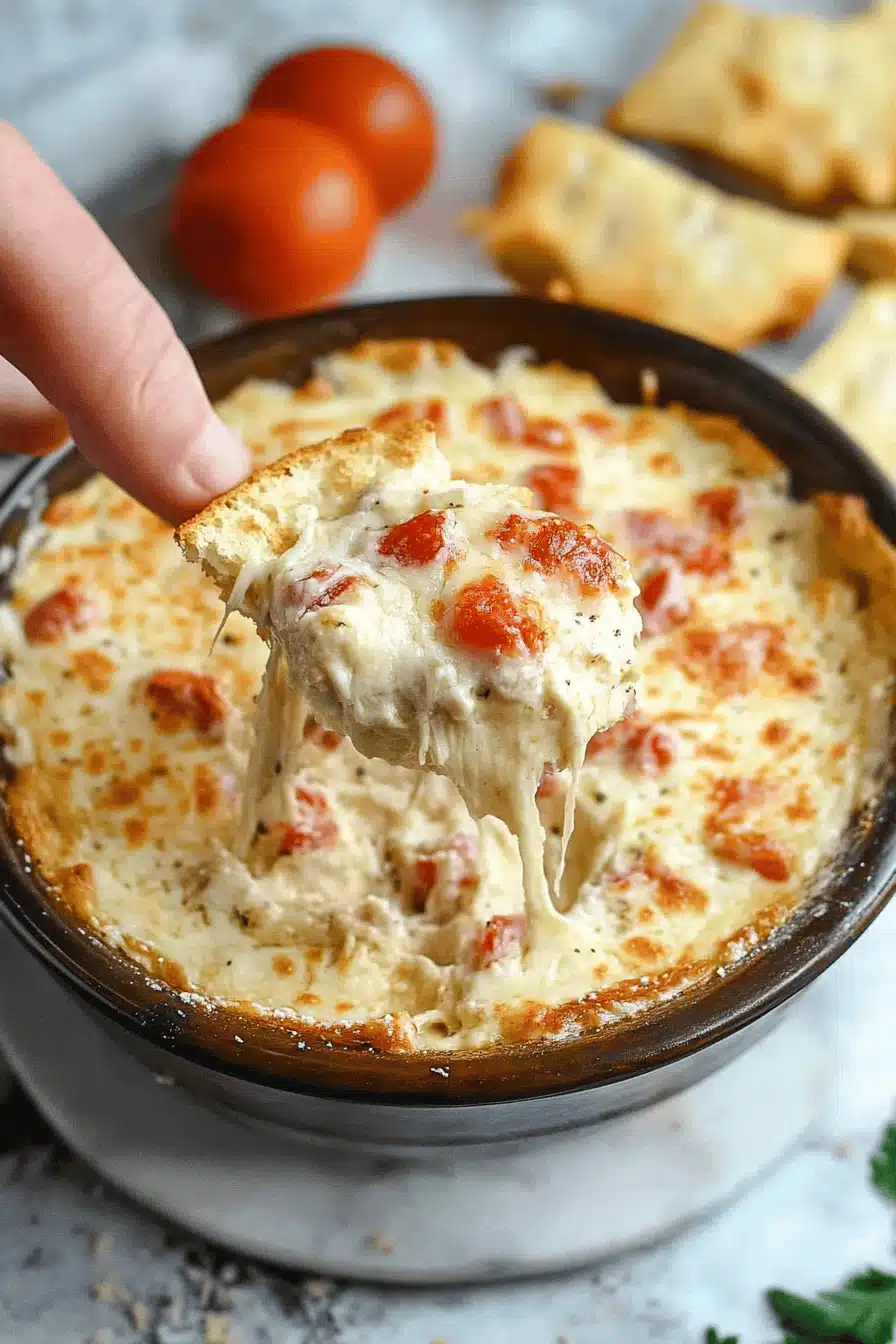
Greek dips

Whenever I think of Greek dips, my mind instantly drifts to sun-drenched afternoons on a taverna patio, bread dipped into creamy spreads bursting with flavor. There’s this magic in Greek dips, a wonderful way to bring people together around a table, sharing tastes that somehow feel both rustic and refined. Honestly, I fall back on these recipes anytime I crave something quick yet soul-satisfying, or when friends come over unexpected and I want to wow them without stress. It’s like the Mediterranean’s way of saying, “Here, have a little sunshine on your plate.” If you’ve ever loved hummus or avocado toast, you’ll adore these Greek dips — they’re just layered with herbs, tang, and history in a way that makes every bite feel like a little celebration.
What Is Greek Dips?
Greek dips are a delicious family of savory spreads and sauces bursting with Mediterranean flair. Think of them as the warm, flavorful crowd-pleasers of any Greek meal — perfect for dipping, spreading, or dunking. These dips range from the famously creamy tzatziki, a cool yogurt-cucumber delight, to smoky roasted eggplant melitzanosalata, or rich, tangy fava made from yellow split peas. The word “dip” might make you imagine just something tossed in a bowl, but these are carefully crafted, often centuries-old recipes that reflect Greek soil, herbs, and simplicity. In my kitchen, they’re the go-to starters or snacks that turn any ordinary day into a shared feast full of zest and stories.
Why you’
What I love most about Greek dips is how insanely versatile and approachable they are. The flavors are pure and honest — fresh herbs, bright lemon juice, garlic that isn’t shy, and olive oil that’s often the star of the show. Each dip carries its own personality: tzatziki is fresh and cooling, perfect for summer barbecues; skordalia offers a hearty, garlicky punch; while taramasalata brings that unique briny richness. They’re super easy to whip up, usually with pantry staples and few fresh ingredients. I swear, on those frantic weeknights or impromptu gatherings, Greek dips are lifesavers because they come together fast and make everything feel special.
Plus, they’re budget-friendly and endlessly flexible. You can dress them up with a handful of pine nuts, swap herbs depending on what’s growing in your garden, or keep it simple and classic. And the best part? They’re crowd-pleasers that last a few days in the fridge, so you can dip again and again—my kids actually ask for seconds, especially when I serve them with warm pita or crunchy veggies. If you’re a fan of Mediterranean food (like baba ganoush or labneh), adding some Greek dips to your repertoire will open a new world of dip-sational possibilities.
How to Make Greek Dips
Quick Overview
Making Greek dips is one of those joyful kitchen moments where you feel like a pro without breaking a sweat. The process usually involves simple ingredients — fresh or roasted veggies, creamy yogurt or beans, pungent garlic, and a generous drizzle of good olive oil. Most recipes require minimal cooking, some just blending or whisking, so it’s perfect for a lazy afternoon or when you want to impress without fuss. You’ll often savor layers of flavor as herbs and citrus wake up the base, making every dip bright and balanced. The beauty here is that no dip needs to be complicated; it’s all about freshness and letting those few ingredients shine.
Ingredients
For Tzatziki (Classic Greek Yogurt Dip):
– 2 cups Greek yogurt (full fat if you want that rich creaminess)
– 1 cucumber, peeled and finely grated
– 2 cloves garlic, minced (start with less if you’re sensitive)
– 1 tablespoon olive oil (preferably extra virgin)
– 1 tablespoon fresh lemon juice
– 1 teaspoon fresh dill or mint, finely chopped
– Salt and black pepper to taste
For Melitzanosalata (Roasted Eggplant Dip):
– 2 medium eggplants
– 2 cloves garlic, crushed
– 3 tablespoons olive oil
– 1 tablespoon red wine vinegar or lemon juice
– 1 tablespoon fresh parsley, chopped
– Salt and pepper to taste
For Taramasalata (Fish Roe Dip):
– 100g tarama (carp roe) or substitute with salted cod roe
– 1/2 cup stale white bread, crust removed
– 1 small onion, finely grated
– 3 tablespoons olive oil
– Juice of 1 lemon
– Cold water as needed to adjust consistency
Step-by-Step Instructions
Step 1: Preheat & Prep Pan
If you’re making melitzanosalata, start by heating your oven to 400°F (200°C). Prick the eggplants with a fork to help the steam escape, then place them on a baking tray lined with parchment paper. Pro tip: Turning the eggplant halfway through roasting helps ensure an even smoky softness without drying it out. This step makes the heart of this dip irresistibly tender and smoky—trust me, it’s worth the wait.
Step 2: Mix Dry Ingredients
For taramasalata, soak the stale bread in a little cold water until it’s soft, then squeeze out the excess moisture. This step might seem trivial, but it’s the secret to achieving the dip’s signature smoothness without being soggy. Removing excess water from cucumbers in tzatziki is a similar trick—squeeze or drain them thoroughly to keep your dip luscious, not watery.
Step 3: Mix Wet Ingredients
In tzatziki, whisk together the yogurt, lemon juice, olive oil, and garlic. The yogurt’s cool tang combined with garlic’s sharpness is just dreamy. For taramasalata, gradually drizzle in olive oil while mixing the tarama and bread base to create a silky texture. Patience here makes a difference; drizzle slowly and let it absorb.
Step 4: Combine
Gently fold in the grated cucumber and dill for tzatziki, season to taste, and don’t forget a little black pepper for that subtle heat. In melitzanosalata, scoop out the tender eggplant flesh after roasting and use a fork or blender to mix it with garlic, olive oil, and vinegar. Combining ingredients delicately ensures you keep texture, so don’t blitz it too much—chunky bits add character!
Step 5: Prepare Filling
Since these dips don’t have a “filling” in the traditional sense, this step is more about customizing the mix-ins. Feel free to add capers, olives, or finely chopped herbs depending on the dip. I once tossed in toasted pine nuts to melitzanosalata for an unexpected crunch—game changer!
Step 6: Layer & Swirl
This is where presentation comes into play, especially if you’re serving multiple dips. Use a spoon to create little peaks or swirls that catch the light. Drizzle a bit of olive oil and sprinkle fresh herbs or paprika before serving—it’s the little touches that make these dips insta-worthy and irresistible.
Step 7: Bake
Only melitzanosalata requires baking (well, roasting the eggplant). Keep an eye on the eggplants till their skin is charred and collapsing; that smell alone pulls everyone into the kitchen. The other dips come together without heat, letting you save steps and savor more couch time.
Step 8: Cool & Glaze
Tzatziki benefits from chilling at least an hour before serving; it lets the flavors meld and mellow. Taramasalata can be served immediately but tastes even better once rested. Add a final drizzle of good olive oil right before serving for that glossy finish that makes these dips so tempting.
Step 9: Slice & Serve
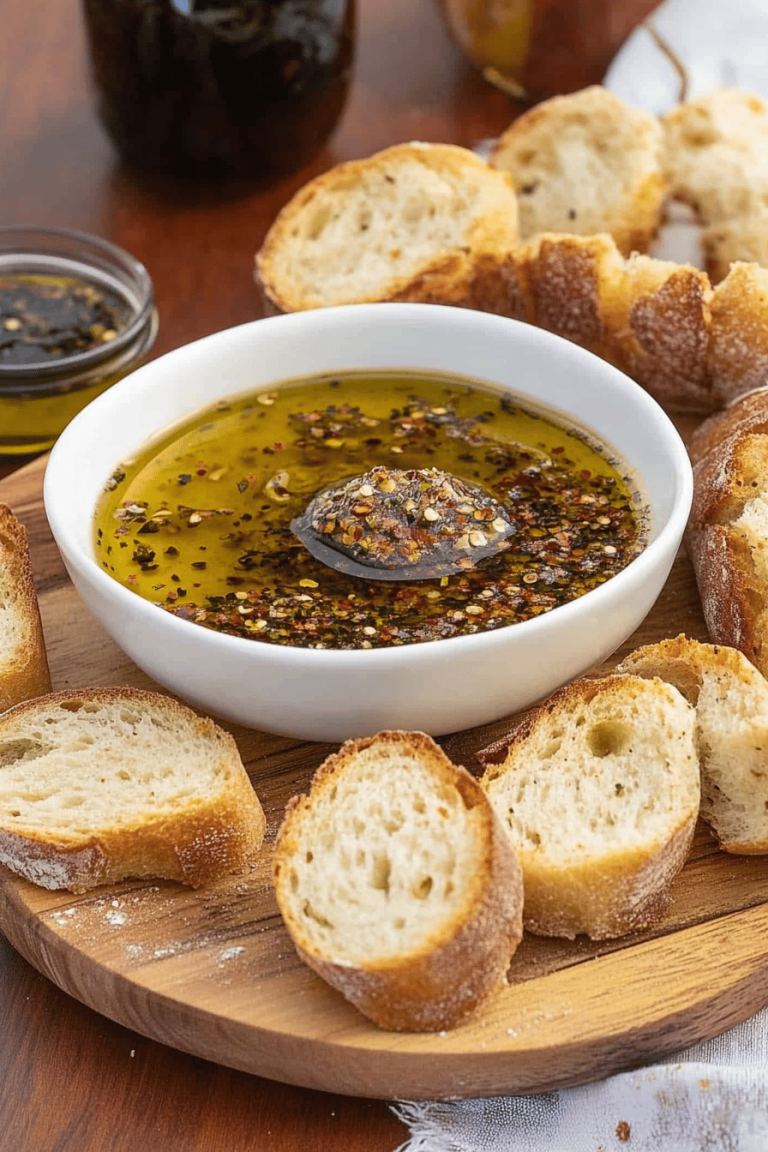
Serve with warm pita bread, crunchy veggies, or as part of a mezze spread. You can even use these dips as sandwich spreads or alongside grilled meats for a quick weekday perk. Remember, the best Greek dips are communal — lay out bowls, stack plates, and let everyone dive in!
What to Serve It With
For Breakfast: Try tzatziki alongside scrambled eggs or smear it over toasted sourdough with a cup of strong Greek coffee for mornings that need a little Mediterranean magic.
For Brunch: A mezze board with bowls of Greek dips, marinated olives, cheese, fresh tomatoes, and cucumbers makes a relaxed yet impressive spread. Pair with sparkling wine or homemade lemonade to keep it fresh and fun.
As Dessert: While dips might not be your typical sweet finish, melitzanosalata and taramasalata pair surprisingly well with lemony sorbets or a simple baklava bite to balance savory and sweet cravings on a warm evening.
For Cozy Snacks: Set out tzatziki or taramasalata with warm pita chips and crunchy carrot sticks when you’re curled up with a good book or entertaining family. My kids request these dips as a snack almost as much as dinner, proving the addictive nature of these little bowls of joy.
Top Tips for Perfecting Your Greek Dips
Quality Ingredients: The single best advice I give is to never skimp on olive oil or fresh herbs. Extra virgin olive oil lends such a rich, peppery note that can elevate even the simplest dip into something memorable.
Prep Veggies Right: For tzatziki, squeezing out every last drop of moisture from cucumbers prevents watery dips. Sometimes I line a sieve with cheesecloth and let the grated cucumber drain for 10 minutes—game-changing consistency!
Don’t Overmix: Blending melitzanosalata too much will turn it gummy. I like leaving some texture, a gentle rustic feel that reminds me of holidays in Greece where it’s never perfectly smooth but always perfect for dipping.
Add Acidity Thoughtfully: Lemon juice or vinegar brightens these dips beautifully but add gradually. I once ruined a batch by overdoing the lemon and had to tweak it with a pinch of sugar and more olive oil to balance.
Customize Flavors: Tarragon, mint, or oregano can take these dips in new directions. When mint is in season, I sneak some into tzatziki and it sparks fresh surprises without straying too far from tradition.
Resting Is Key: Always chill your dips before serving to let the flavors settle and deepen. I sometimes make them a day ahead because the taste just gets better. Plus, it frees up your day of sharing to enjoy company without last-minute kitchen frenzy.
Glaze Variations: Don’t hesitate to experiment with finishing touches — a dust of smoked paprika, chopped nuts, or even a drizzle of honey on taramasalata for a fascinating contrast. These little finishes invite compliments every single time.
Storing and Reheating Tips
Room Temperature: Greek dips like tzatziki are best enjoyed fresh or chilled. Leaving them out for a couple of hours at room temperature during a party is fine, but any longer and they’ll start to lose their freshness and texture.
Refrigerator Storage: Store dips in airtight containers for up to 3-4 days. I’m super picky about cover—it preserves the vibrant flavors and prevents the dips from absorbing fridge odors. Tzatziki especially can separate slightly, so give it a gentle stir before serving again.
Freezer Instructions: Most Greek dips don’t freeze well—tzatziki tends to lose its creamy texture and become watery upon thawing. Melitzanosalata and taramasalata are a bit sturdier but still best fresh. If you want to freeze, use a freezer-safe container, leave some headspace for expansion, and thaw slowly in the fridge.
Glaze Timing Advice: Add your olive oil drizzle or herb garnish just before serving to keep that fresh, inviting sheen. If stored with glaze on top, the herbs can wilt and the oil can separate, affecting presentation and flavor.
Frequently Asked Questions
Final Thoughts
Greek dips have been a steady star in my kitchen for years because they’re more than just food — they’re a flavor-packed handshake to anyone who sits at the table with you. They’re simple, soulful, and super flexible. You don’t need fancy ingredients or complicated steps, just a handful of fresh things, a bit of love, and the joy of sharing. I love pairing these dips with friends and family during warm evenings or lazy weekend afternoons; somehow, they make everything feel a little more festive and connected. If you dive into these recipes, I’d love to hear your stories — do you add a special herb? A secret twist? Drop a comment, rate your favorites, and share your own delicious adventures. Happy dipping and much love from my kitchen to yours!

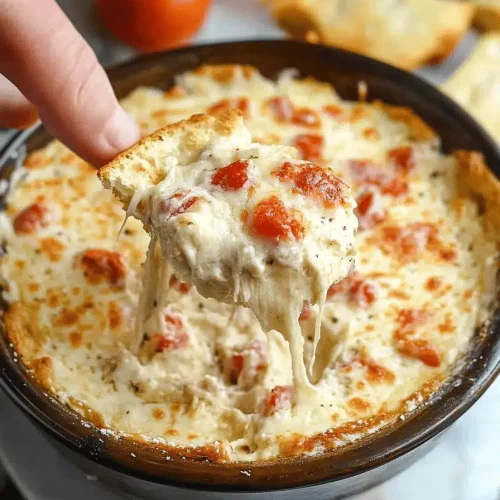
Delicious Mediterranean Dips You'll Love
Ingredients
Green Goddess Dip
- 2 large avocados
- 0.5 medium lemon juiced
- 0.25 cup Fage Greek Yogurt
- 2 tbsp mayonnaise
- 1 tsp Dijon mustard
- 0.5 tsp Sriracha
- salt and pepper to taste
- 0.25 cup parsley fresh
- 0.25 cup dill fresh
- 0.25 cup chives fresh
Beet and Feta Dip
- 2 medium roasted beets peeled and chopped
- 0.5 cup feta cheese crumbled
- 2 tbsp olive oil
- 1 tsp lemon juice fresh
- salt and pepper to taste
Classic Tzatziki Dip
- 1 cup Greek yogurt full fat
- 0.5 cup cucumber grated and drained
- 1 clove garlic minced
- 1 tbsp fresh dill chopped
- 1 tbsp lemon juice fresh
- salt to taste
Instructions
Preparation Steps
- For the Green Goddess Dip, combine avocados, lemon juice, Greek yogurt, mayonnaise, Dijon mustard, Sriracha, salt, pepper, parsley, dill, and chives in a food processor. Blend until smooth. Adjust seasoning as needed.
- For the Beet and Feta Dip, blend roasted beets, feta cheese, olive oil, lemon juice, salt, and pepper together until creamy but slightly textured.
- For the Classic Tzatziki, mix Greek yogurt, grated cucumber, garlic, dill, lemon juice, and salt in a bowl until well combined. Chill before serving.
- Serve all three dips chilled with pita chips, fresh veggies, or crusty bread.