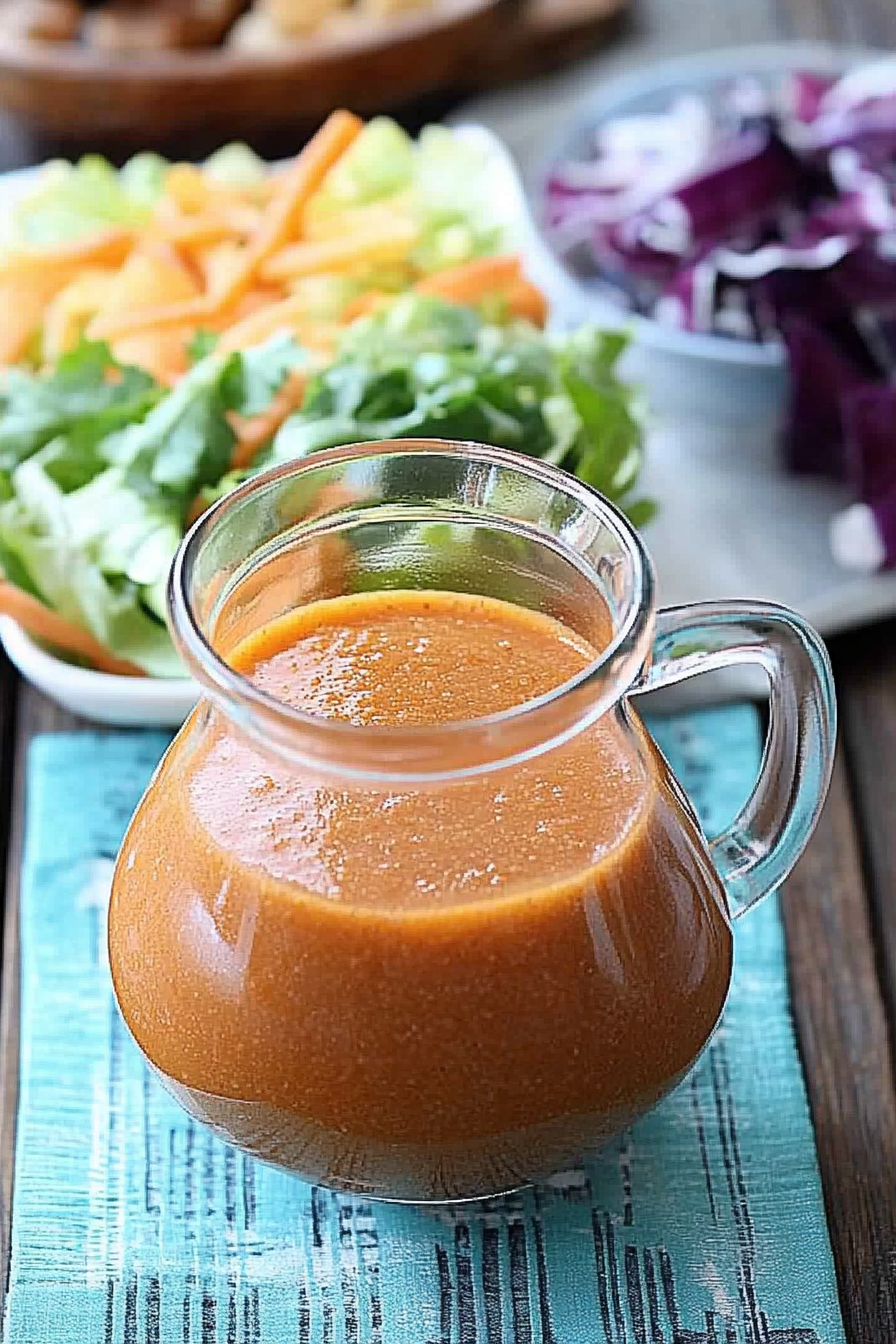
Asian dressing

I still remember the first time I made this Asian dressing for a family barbecue. The weather was perfect, the grill was warming up, and I was scrambling to bring something fresh and vibrant to the table. I tossed together this magical little dressing—simple ingredients, yet bursting with flavor. When I drizzled it over the salad, everyone paused mid-bite, and then devoured it with unstoppable enthusiasm. Since that day, this Asian dressing has been my go-to secret weapon, especially when I want something easy but feel like putting in a little wow factor. You know, for those moments when you want more than just your average vinaigrette but don’t want to wrestle with complicated sauces? It’s a bit like the difference between plain buttered toast and cinnamon swirl bread—both good, but one elevates your whole experience. Trust me, this dressing brings that kind of magic to the table.
What is Asian dress?
Think of Asian dressing as a harmonious blend of bold, sweet, tangy, and umami flavors that comes together in a wonderfully simple sauce you can drizzle on just about anything. It’s essentially a fusion of traditional Asian pantry staples like soy sauce, sesame oil, rice vinegar, and a touch of sweetness, with some fresh zing from ginger or garlic thrown in for good measure. Asian dressing isn’t just one fixed recipe; it’s more of a style—bright, well-balanced, and endlessly versatile. Whether you picture something drizzled on leafy greens, stirred into noodle bowls, or slathered over grilled meats, this dressing brings that fresh, vibrant punch that wakes up your taste buds. I like to think of it as a little passport to Asia that you keep right in your fridge, ready whenever your meal needs a burst of something exciting but easy.
Why you’ll love this recipe?
What I love most about this Asian dressing—and why it’s been a staple in my kitchen—is that it manages to tick all the boxes without breaking a sweat. First off, the flavor is incredible. It’s that beautiful balance between salty-sweet, tangy with a hint of earthiness from the toasted sesame oil, and a gentle heat that always leaves you wanting more. The first time I made this, I swore I was ordering takeout by mistake. It’s surprisingly layered, given how effortless it comes together.
The simplicity of this dressing is another winner—it’s one of those recipes you literally throw together in five minutes, maybe less. I always keep the key ingredients stocked, so whenever I need a quick salad boost or a sauce for my stir-fry, I’m ready to go. And about cost? None of these ingredients will blow your budget, especially if you shop Asian markets or online. A bottle of sesame oil or rice vinegar lasts for ages, so every batch feels like a steal.
Finally, the versatility is just off the charts. I’ve drizzled it over crunchy cabbage slaws, tossed it with noodles, marinated shrimp, and even mixed it into a grain bowl to add oomph. It’s the kind of dressing that doesn’t just sit on something; it transforms it. If you’ve tried other dressings and found them too bland or too cloying, this one balances beautifully. I promise you’ll find yourself grabbing the jar way more often than you expect.
How do I make Asian dressing?
Quick Overview
This Asian dressing couldn’t be easier. You just whisk everything together—no cooking required, no fancy tools—just fresh ingredients and pantry staples. The real magic is in the quality of your components; fresh ginger, good soy sauce, and a well-balanced rice vinegar make all the difference. I always taste as I go because this dressing can be gently adjusted to your mood—more sweetness, a touch extra tang, or a little extra kick. Once it’s combined, the flavors marry after a few minutes, and you’re set to drizzle it on everything.
Ingredients
For the Dressing:
- Soy sauce (3 tablespoons) – I prefer a naturally brewed, low-sodium soy sauce to control saltiness.
- Rice vinegar (2 tablespoons) – Gives that beautiful tang without overpowering.
- Sesame oil (1 tablespoon) – Use toasted sesame oil for that rich, nutty aroma.
- Honey or maple syrup (1 tablespoon) – For just the right touch of sweetness.
- Fresh ginger, grated (1 teaspoon) – Adds a bright, fresh zing.
- Garlic, minced (1 clove) – Gives subtle depth and warmth.
- Water (2 tablespoons) – To thin the dressing slightly if it’s too intense.
- Optional chili flakes or a dash of sriracha (to taste) – For those who like a little heat.
Step-by-Step Instructions
Step 1: Prep Your Ingredients
Start with fresh ginger and garlic—you want them finely grated and minced so their flavors meld smoothly into the dressing. If you skip this, you’ll miss out on that zing that makes this dressing unforgettable. Trust me, I’ve tried just tossing in powders once and it just wasn’t the same.
Step 2: Whisk Together Liquid Ingredients
In a small bowl, combine the soy sauce, rice vinegar, and sesame oil first. Whisk gently so the oily sesame blends with the vinegar without separating immediately. This is where your dressing starts to take shape—if you get a good base here, you’re halfway there.
Step 3: Add Sweetness and Aromatics
Next, stir in the honey or maple syrup, grated ginger, and minced garlic. The sweetness balances the acidity and salt, while the ginger and garlic bring that signature depth. I always taste carefully here—if it’s too sharp, a little extra honey smooths it out perfectly.
Step 4: Thin With Water and Adjust Heat
Add a splash or two of water to get the right pourable consistency, especially if you plan to use it as a dressing rather than a dip or glaze. If you want heat, this is the time to sprinkle some chili flakes or swirl in sriracha. My kids aren’t fans of the heat, so I keep it mild, but I love a kick when I’m eating for myself.
Step 5: Taste & Tweak
This is crucial. I almost never get it perfect on the first try, and that’s ok! Play with balance—more vinegar if it’s too sweet, a dash more sesame for nuttiness, or a pinch more garlic if you’re feeling bold. The dressing will improve even more if you let it sit for 10-15 minutes before serving.
Step 6: Store or Serve
Use it immediately drizzled over your favorite salad or noodle dish, or transfer it to a jar and keep refrigerated for up to a week. The flavors deepen over time, and it’s a lovely little reminder of an easy, elegant flavor twist.
What to Serve It With
For Breakfast: Drizzle this Asian dressing over a crisp kale and avocado salad, with a soft-boiled egg and toasted sesame seeds. Pair it with your morning green tea or a milky oat latte for a fresh start.
For Brunch: It’s fantastic tossed with soba noodles, thin cucumber ribbons, and shredded chicken. Add some pickled ginger on the side and a bright yuzu soda or ginger lemonade, and you’ve got a brunch that feels both approachable and impressive.
As Dessert: Okay, not directly on dessert, but trust me—this dressing doubles as a zingy dip for fresh fruit skewers or a drizzle over coconut rice pudding, balancing sweet creaminess with its tangy bite.
For Cozy Snacks: Slather it on steamed dumplings, or toss some crispy tofu cubes in it for a quick snack while watching your favorite show. It’s the kind of sauce that elevates even the simplest bites into pure comfort food.
My family and I have this running tradition where during the summer holidays, I whip this dressing up in bulk, and everyone grabs a bowl of crunchy veggies or cold noodles to dunk and snack on. It’s my lazy day lifesaver, especially when my kids ask for seconds and I’m just glad to keep everyone happy without turning on the oven.
Top Tips for Perfecting Your Asian Dressing
Freshness Matters: Always grate fresh ginger and mince fresh garlic. Powdered versions just don’t deliver the same brightness or warmth and tend to taste muted.
Balancing Act: Taste as you go. Some soy sauces are saltier than others, and some rice vinegars can be more pungent. Don’t be afraid to add a little more honey or water to mellow the flavors. I learned this the hard way when I made a batch too salty, but a spoonful of honey saved it!
Heat Customization: If you like it spicy, add chili flakes gradually. Start small because the spice really kicks up as the dressing sits. You can also swap sriracha for a teaspoon of chili oil for a smoky heat.
Sesame Oil Quality: Toasted sesame oil can be a strong flavor, so start with a small amount. The first time I added a whole tablespoon outright, it was overpowering. Now I start with half and build up to taste.
Storage & Shake-Up: The oil and vinegar can separate after sitting, so give the jar a good shake before each use. It’s such a quick fix and keeps the dressing looking gorgeous and well blended.
Sweetener Alternatives: Honey is my go-to, but maple syrup or agave syrup works just as well. If you want a completely natural, unrefined option, try a splash of fresh orange juice—it adds sweetness and background citrus notes.
Over the years, I’ve tweaked this recipe a million times, sometimes throwing in a splash of lime juice or swapping out the soy for tamari when I need gluten-free. These little twists keep it fresh but familiar, and honestly, it’s hard to mess it up badly. It’s one of those recipes that grows with you—add a pinch of this, a drop of that. I love that freedom because cooking should never feel stiff or intimidating.
Storing and Reheating Tips
Room Temperature: If you’re serving it that day, keep the dressing covered in a small bowl or jar. It’ll keep beautifully for about 4 to 6 hours, but after that, the flavors start to separate and dull. Just give it a good stir before using.
Refrigerator Storage: Store leftovers in an airtight container or jar for up to a week. It thickens in the fridge, so if it feels too viscous, stir in a splash of water or rice vinegar to thin. The cold deepens the flavor wonderfully, so some people like it better the next day.
Freezer Instructions: I’m not a huge fan of freezing this dressing because the emulsion breaks and texture suffers. If you’re set on freezing, pour into ice cube trays, freeze solid, then pop the cubes into a freezer bag for up to a month. Thaw in the fridge and whisk thoroughly to recombine.
Glaze Timing Advice: If you decide to use this as a glaze for grilled meats or veggies, brush it on last minute or serve as a dipping sauce on the side. Applying it too early during cooking can cause burning because of the sugars.
Frequently Asked Questions
Final Thoughts
This Asian dressing is one of those little treasures I keep coming back to because it transforms everyday meals into something bright and unforgettable. It’s balanced, fresh, and carries just that right hint of nostalgia for those of us who love something with a bit of soul but no fuss. It’s made dinners quicker, lunches brighter, and even my snack bowls way more exciting. If you’re looking to shake up your salad routine or find a sauce that doubles as a marinade and dip, this is your new best friend. I can’t wait to hear how yours turns out—don’t forget to tweak it to your taste and let me know your favorite variations. Happy drizzling and sharing!

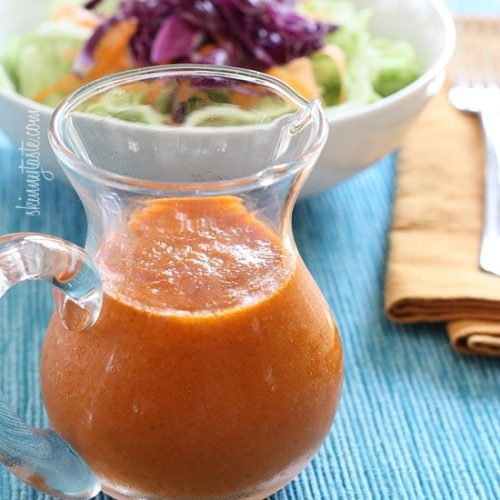
Zesty Asian Carrot Dressing Recipe
Ingredients
Main Ingredients
- 0.25 cup shredded carrots
- 0.25 cup minced onion
- 1 tbsp fresh ginger, minced
- 1 small clove garlic minced
- 1 tbsp minced celery
- 3 tbsp peanut oil or use sesame oil
- 3 tbsp rice vinegar
- 2 tbsp water
- 1 tbsp tomato paste
- 2 tsp low sodium soy sauce use tamari for gluten-free
- 1.5 tsp raw sugar
- 1 tsp lemon juice
- salt and fresh ground black pepper to taste
Instructions
Preparation Steps
- Place all the ingredients in a blender and process until smooth.
- Refrigerate for a few hours before using to allow the flavors to deepen. The dressing tastes better after it sits.
- Serve the dressing over your favorite salad greens and enjoy.