
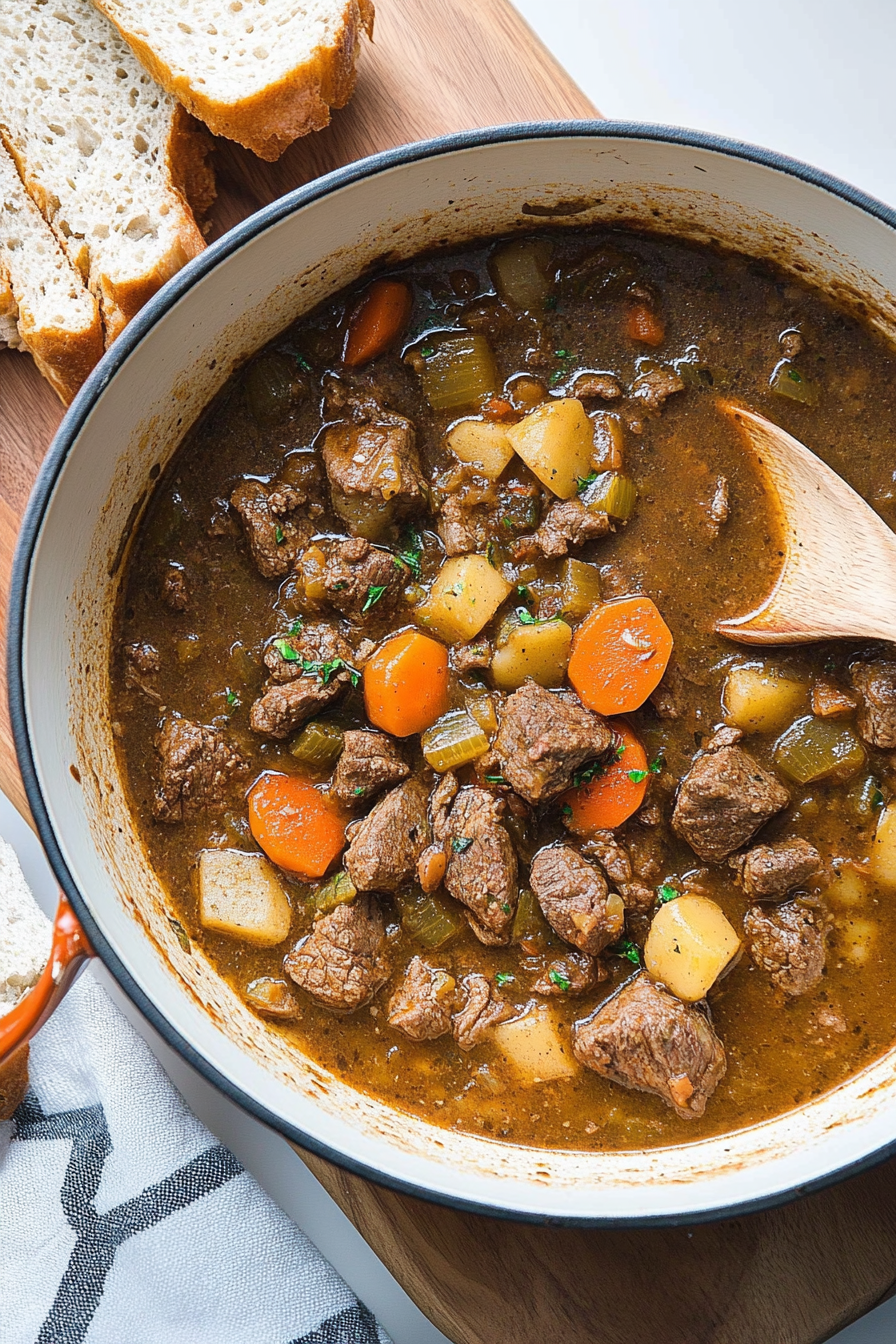
beef stew

There’s something about the bubbling pot of beef stew simmering on my stove that instantly takes me back to chilly Sunday afternoons in my grandma’s kitchen. The smell alone is a warm hug—deep, rich, and inviting, like a favorite sweater you never want to take off. I’ve tried a bunch of stews over the years but this beef stew recipe? It’s my little secret weapon when I want a dish that’s both comforting and easy enough to whip up on a busy weeknight. If you’ve ever thought beef stew was complicated or only for fancy dinners, this will change your mind. The tender chunks of meat soak up all the savory herbs and spices, while the veggies add just the right amount of sweetness and texture. Honestly, it’s like a bowl of tender, soul-soothing magic—way cozier than a boring old soup, and way simpler than you’d expect.
What is Beef Stew?
Think of beef stew as the kitchen’s answer to a warm, hearty hug in a bowl. It’s essentially a slow-cooked mixture of beef chunks, vegetables, broth, and seasonings that come together into one rich, flavorful dish. The word “stew” actually just means food that’s been cooked slowly in liquid, which is exactly what this is all about: low and slow. Traditionally, it’s a rustic meal that’s been around forever, making the most of tougher cuts of beef by softening them into melt-in-your-mouth tenderness. It’s the kind of dish that cooks low and slow while you go about your day, and the result is a perfect balance of taste and texture. Whether served over mashed potatoes, crusty bread, or even on its own, beef stew is basically comfort food with a capital C.
Why you’ll love this recipe?
What I love most about this beef stew recipe is how it hits all the right notes without making you run a marathon in the kitchen. First off, the flavor is out of this world: tender beef, savory herbs, and the subtle sweetness of carrots and onions all meld into one harmonious dish that honestly tastes a lot like something you’d get at a fancy bistro, but better—because you made it yourself. Secondly, this stew is a lifesaver on busy nights. You basically toss everything in the pot and let it do its thing. I’m talking minimal hands-on time and maximum flavor payoff. Bonus points: it’s super budget-friendly because it uses cuts of meat that are affordable but full of flavor when cooked the right way. Plus, if you’ve got picky eaters, it’s versatile enough to swap ingredients based on what you have — no sweat. I’ve switched up the veggies or added different herbs depending on what’s in the fridge, and it still shines. Bottom line? This beef stew feels like a warm blanket of flavor and love that you can pull out of your recipe box anytime.
How do I make Beef Stew?
Quick Overview
This beef stew is all about layering flavors and giving time for the magic to happen. You start by browning the beef to build that delicious caramelized flavor, then slow-cook it along with your choice of veggies and broth until everything is fork-tender and cozy. The best thing? The actual effort takes less than 30 minutes of active cooking—you just have to be patient while it simmers, which is the fun part if you ask me. It’s basically set-it-and-forget-it, but better, because it makes your house smell like you’re a culinary wizard.
Ingredients
For the Beef:
- 2 pounds chuck roast, cut into 1-2 inch cubes (choose well-marbled beef for juicy results)
- Salt and pepper to taste
- 2 tablespoons olive oil or vegetable oil
For the Stew Base:
- 1 large onion, chopped (adds sweetness and aroma)
- 3 cloves garlic, minced (aromatic backbone)
- 3 medium carrots, peeled and sliced diagonally (sweet and tender)
- 3 stalks celery, sliced (adds depth and crunch)
- 2 large potatoes, peeled and cubed (creamy texture)
- 2 cups beef broth (homemade or good quality store-bought is key)
- 1 cup red wine (optional but adds earthy richness)
- 2 tablespoons tomato paste (adds subtle tang and depth)
For Seasoning & Herbs:
- 2 bay leaves
- 1 teaspoon dried thyme or 2 teaspoons fresh thyme leaves
- 1 teaspoon dried rosemary or 2 teaspoons fresh rosemary, chopped
- 1 teaspoon smoked paprika (adds smoky warmth)
- Fresh parsley for garnish (optional, for brightness)
Step-by-Step Instructions
Step 1: Preheat & Prep Pan
Heat a large, heavy-bottomed pot or Dutch oven over medium-high heat. You want the pan hot enough to sear but not so hot it smokes up your kitchen—medium-high usually does the trick. I like using a sturdy cast iron or enamel pot because it holds heat beautifully for browning.
Step 2: Brown the Beef
Season your beef cubes generously with salt and pepper. Working in batches so you don’t overcrowd the pan, brown the chunks on all sides until they have a rich caramelized crust. This step is critical because it locks in flavor and adds a glorious depth to your stew. Don’t rush this—let the meat sit undisturbed for a few minutes per side before flipping. Once browned, remove beef and set aside.
Step 3: Sauté Veggies & Add Aromatics
In the same pot, add a little more oil if needed and toss in the onions, carrots, and celery. Cook, stirring occasionally, until they soften and get a bit of color—around 5-7 minutes. Add the garlic last, cooking it just until fragrant (about 30 seconds), so it doesn’t burn or turn bitter.
Step 4: Deglaze the Pan
Pour in the red wine (if using) and scrape up all those delicious browned bits stuck to the bottom. This deglazing step is like sprinkling flavor magic over your stew. Let the wine reduce for a couple of minutes, then stir in the tomato paste, coating the veggies evenly.
Step 5: Add Broth and Herbs
Return the browned beef to the pot and pour in beef broth until everything is just covered. Toss in bay leaves, thyme, rosemary, and paprika. Give it a good stir and bring the stew to a simmer.
Step 6: Simmer Low and Slow
Cover the pot with a lid, lower the heat, and let it gently simmer for about 2 hours—or until the beef is meltingly tender. This slow simmer is where all the flavors get cozy and develop their signature warmth. Stir occasionally and check the liquid level, adding a splash of water or broth if it looks too thick.
Step 7: Add Potatoes
About 30-40 minutes before you’re ready to eat, add the potatoes. They’ll cook through but still hold their shape nicely. If you add them earlier, they can get mushy, which some people like, but my family prefers a little bite.
Step 8: Taste and Adjust Seasonings
In the last 10 minutes, taste your stew to see if it needs a pinch more salt, pepper, or even a dash of Worcestershire sauce for that extra umami kick.
Step 9: Serve Hot and Garnish
Ladle the stew into warm bowls and sprinkle with fresh parsley for a pop of color and freshness. Serve with rustic bread or over mashed potatoes. Then sit back as everyone quickly devours it—trust me, this one disappears in minutes at my house.
What to Serve It With
For a Casual Weeknight Dinner: Grab some crusty sourdough bread or warm dinner rolls to soak up all that luscious gravy. Pair with a simple green salad dressed lightly with lemon vinaigrette to balance the richness.
For a Cozy Weekend Meal: Serve over creamy mashed potatoes or buttered egg noodles. If you’re feeling extra, a side of roasted Brussels sprouts or garlic green beans brings a nice crunch contrast.
The Perfect Winter Family Feast: Bring out a homemade crusty baguette and a bold red wine like Cabernet or Malbec. My kids actually ask for seconds when I serve it like this—there’s something about the combination that just makes the whole meal feel festive and warm.
And if you ever want to mix things up? A dollop of sour cream or a grating of sharp cheddar on top adds a beautiful creaminess. It’s the kind of meal that feels like a celebration of simple ingredients done right, no matter the occasion.
Top Tips for Perfecting Your Beef Stew
Choose the Right Cut: I’ve learned the hard way that chuck roast is your best friend here. It has enough fat and connective tissue to break down beautifully and turn super tender. Stewing beef is okay, but chuck makes it unforgettable.
Patience Is Key: Don’t rush the browning step. That crust on the beef is flavor gold. Same goes for the slow simmer — low and slow is the secret to brilliance.
Veggie Timing Matters: Adding potatoes too early is my classic mistake — they just fall apart and lose texture. Add them toward the end so they’re soft but intact.
Fresh vs. Dried Herbs: I usually use dried thyme and rosemary because they hold up well during the long cooking time. If you’re adding fresh, do it toward the end so they don’t get bitter.
Swap It Up: No red wine? Try a splash of balsamic vinegar or extra broth to add acidity and complexity. For a smoky twist, I occasionally add a drop of liquid smoke (trust me, just a drop!).
Don’t be afraid to thicken: If your stew feels a little thin, mix a tablespoon of flour or cornstarch with cold water and stir it in during the last 10 minutes to get a luscious gravy texture.
Flavor Boosters: A dash of Worcestershire sauce or soy sauce at the end can add fantastic umami depth if your stew tastes a bit flat.
Storing and Reheating Tips
Room Temperature: You can safely keep the stew covered on the counter for up to two hours — perfect if you’re waiting on family or friends to arrive.
Refrigerator Storage: Transfer leftovers into airtight containers and refrigerate for up to 4 days. I usually find it tastes even better the next day once the flavors settle in. Just warm on the stove over low heat, stirring occasionally.
Freezer Instructions: This stew freezes beautifully for up to 3 months. Portion it into freezer bags, flatten them out for quick thawing, and defrost overnight in the fridge before reheating gently on the stove.
Glaze Timing Advice: There’s no glaze here, but if you want to finish with fresh herbs or a dollop of sour cream, add them just before serving after reheating for the freshest taste.
Frequently Asked Questions
Final Thoughts
Honestly, this beef stew has been one of those recipes I’ve clung to over the years when I want something hearty, trustworthy, and full of that “just like grandma made it” feeling. It’s easy enough to make without sweating the small stuff, but delivers a depth of flavor that always surprises me. I’d say it’s equally wonderful for quiet weeknights as it is for feeding a crowd on a chilly day. Plus, it gives you plenty of room to play with ingredients, so it never gets boring. If you like this, you might also want to explore my recipes for slow-cooker chili or classic pot roast—same comforting vibes. I can’t wait to hear how yours turns out, so drop me a comment or share your own family twists! Happy cooking!

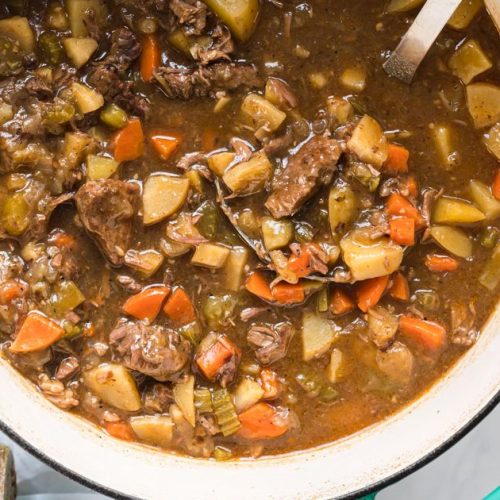
Cozy Beef Stew Recipe: Simple & Hearty
Ingredients
Main Ingredients
- 2.5 lbs beef chuck, cut into cubes
- 3 tbsp olive oil divided
- 1 large onion, chopped
- 3 cloves garlic, minced
- 4 cups beef broth low sodium preferred
- 3 large carrots, peeled and sliced
- 3 medium potatoes, peeled and cubed
- 2 tbsp tomato paste optional for richness
- 2 tbsp all-purpose flour for thickening
- 1 tsp dried thyme
- 1 tsp dried rosemary
- 0.5 tsp black pepper
- 1.5 tsp salt
Instructions
Preparation Steps
- Heat 2 tablespoons of olive oil in a large pot over medium-high heat. Add beef cubes in batches and brown on all sides. Remove and set aside.
- Add remaining 1 tablespoon olive oil to the pot. Sauté chopped onion until soft, about 5 minutes. Add minced garlic and cook for 1 minute until fragrant.
- Stir in tomato paste and cook 2 minutes, then sprinkle flour over and stir to combine. Slowly add beef broth while stirring to prevent lumps.
- Return browned beef to the pot. Add carrots, potatoes, thyme, rosemary, bay leaf, salt, and pepper.
- Bring stew to a boil, then reduce heat to low. Cover and simmer for 2 hours or until beef is tender and vegetables are cooked through.
- Remove bay leaf, adjust seasoning to taste, and serve hot with bread or over mashed potatoes.