stuffed french toast

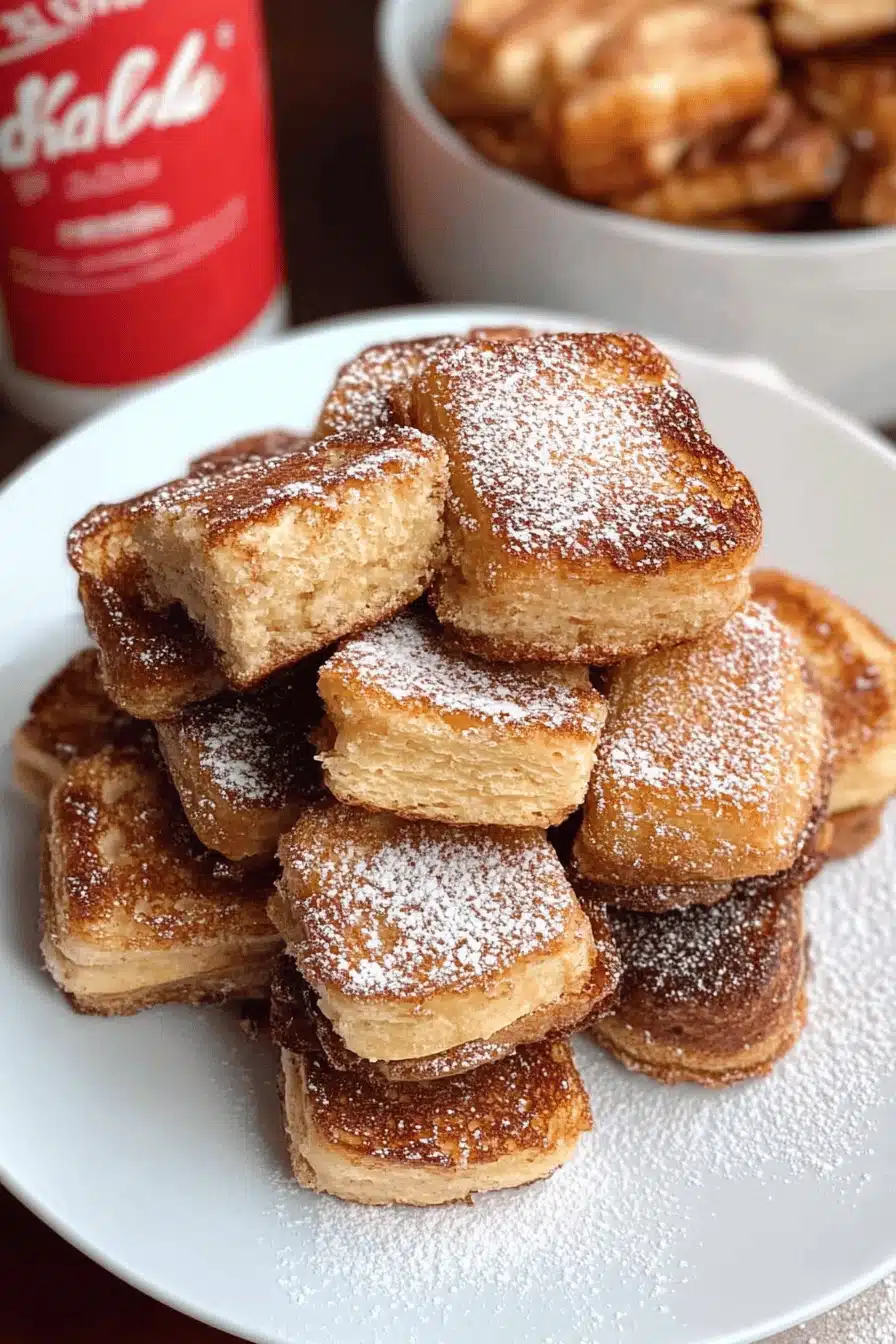
On a rainy Saturday morning I wake to the soft patter of rain, the coffee steaming in a mug, and the scent of cinnamon drifting through the house. The kind of morning where you want something comforting and a little indulgent, something that feels like a warm hug you can eat. That’s stuffed French Toast for me: a creamy, melty center tucked inside a slice-crisp exterior, all dusted with a kiss of vanilla and a shower of berries. It’s basically breakfast dessert, but it still behaves at brunch like a show-stopper you can pull off without breaking a sweat. I remember my grandma making something similar with day-old bread and a skillet that sang when the butter hit the pan. Now I make this with my kids, and the kitchen fills up with laughter and “Can we do this again tomorrow?” It’s a recipe that travels well from lazy weekends to busy mornings because, surprise, it’s impossible to mess up. This stuffed french toast is my go-to when I want something comforting, delicious, and a little bit fancy—without taking all day to make.
What is stuffed french toast?
Stuffed french toast is essentially two slices of bread (often a sturdy, bread-bowl-like loaf) sandwiching a creamy filling, then bathed in a custardy egg mixture and cooked until the outside is golden and the inside is dreamy. Think of it as a French toast sandwich, where the filling can be Cream Cheese with fruit, ricotta with chocolate chips, or a berry whipped cream, all swirled or tucked inside. The name hints at the magic—the bread doesn’t just soak; it embraces a luscious center. The concept is forgiving and flexible, which is why this dish has become a family favorite around our table. It’s the kind of thing you can prep the night before, then wake up to a comforting scent and a plate that looks almost like you fussed all morning. It’s essentially the same base as classic French toast, just with a plush, gooey interior that elevates every bite.
Why you’ll love this recipe?
What I love most about stuffed French Toast is that it tastes like a treat, but it’s surprisingly simple to pull off. Here are the reasons this version earns its place on our morning table time and time again:
- Flavor: The creamy filling versus the toasty exterior creates a contrast that’s absolutely dreamy. A touch of vanilla and a sprinkle of cinnamon make the aroma irresistible, while a hint of lemon zest in the glaze brightens every bite.
- Simplicity:What are some pantry staples for this recipe?
- Cost-efficiency: What is the best way to measure cost-efficiency? You probably already have the core ingredients—bread, eggs, milk, a bit of sugar—so it’s a cozy, inexpensive breakfast that feels special.
- Versatility: The filling swaps in strawberries, peaches, blueberries, or even Nutella for a quick chocolate twist. You can switch up the bread, too—think brioche for extra richness or sturdy sourdough for a heartier bite.
What I love most about this recipe is how forgiving it is. If you’re short on time, you can cut the soaking stage short and still end up with a luscious result. If you have guests with dietary needs, you can adapt the batter with plant milk and a bit of almond flour to mimic the richness. It’s become a backbone in my cooking repertoire because it works for so many occasions—from a lazy Sunday to a celebratory brunch—and it always feels like a little celebration at the table.
How to Make stuffed french toast
Quick Overview
Here’s the quick version: whip up a creamy batter, mix a luscious filling, and sandwich the filling between slices of bread. Dip the stuffed sandwiches into the batter, sear them until the outsides glow golden, then finish in the oven so the centers set perfectly. Top with a glossy glaze and berries, and you’ve got a comforting dish that feels fancy enough for guests but easy enough for a weeknight splurge. The beauty is in the contrasts—the crackle of the crust, the melt-in-your-mouth center, and the warm aroma that makes the whole house smell like breakfast heaven.
Ingredients
For the Main Batter:
- 2 cups whole milk or plant-based milk (almond, cashew, or oat work beautifully)
- 4 large eggs
- 2 tablespoons sugar (optional, if you like a touch more sweetness)
- 1 teaspoon vanilla extract
- 1/2 teaspoon ground cinnamon
- 1/4 teaspoon salt
- 8 slices sturdy bread (brioche or challah preferred; day-old bread soaks up the custard without falling apart)
For the Filling:
- 8 oz (about 225 g) cream cheese, softened or a tangy ricotta for a lighter option
- 2 tablespoons powdered sugar (or to taste)
- 1/2 teaspoon vanilla extract
- 1 cup fresh berries or sliced fruit (swap in mini chocolate chips or dried fruits if you like)
For the Glaze:
- 1/2 cup powdered sugar
- 2–3 tablespoons milk or cream
- 1/2 teaspoon vanilla extract
- Optional: a splash of maple syrup or lemon zest for brightness
Step-by-Step Instructions
Step 1: Preheat & Prep Pan
Heat your oven to 350°F (175°C) and set a large skillet over medium heat. You’ll finish the dish here for a crisp exterior and then bake to set the center. Gather your bread and filling so you’re ready to roll, because this comes together quickly once you start dipping.
Step 2: Mix Dry Ingredients
In a shallow dish, whisk together the cinnamon, salt, and a pinch of sugar if you like a touch more sweetness. This is your dry frame for the soaking bath—don’t skip this, or you’ll miss that blanket of warmth in every bite.
Step 3: Mix Wet Ingredients
In a separate bowl, whisk the milk, eggs, vanilla, and the remaining sugar. You want a smooth, slightly thick custard that clings to the bread without dripping off like a puddle. If your eggs are large, a quick whisk until the mixture is just combined is all you need.
Step 4: Combine
Dip each slice of bread into the wet mixture, letting it soak for about 15–20 seconds per side. If you like a more custardy center, give it a bit longer, but be mindful of sogginess. The goal is a well-coated slice that still holds its shape.
Step 5: Prepare Filling
In a bowl, beat the Cream Cheese with powdered sugar and vanilla until smooth. Fold in your chosen fruit or berries so you’ve got a pretty, flavorful center that isn’t too runny. If you’re using chocolate chips, a light fold keeps them from sinking to the bottom.
Step 6: Layer & Swirl
Take two slices of soaked bread and spread a generous layer of the filling on one slice. If you’re feeling playful, add a few fruit bits and then top with the second slice, pressing gently to seal. For a garland-of-flavors look, you can also spoon a little filling along the edge of one slice and roll the bread, making a gentle swirl in the center.
Step 7: Bake
Place the stuffed sandwiches in the hot, lightly buttered skillet. Sear on both sides until the crust is nicely browned and a bit of caramelization appears. Then transfer the pan to the oven and bake for 12–15 minutes, or until the filling is warmed through and the bread is completely set. If you prefer your center extra melty, bake a bit longer, but watch for over-drying the bread.
Step 8: Cool & Glaze
Take the pan from the oven and let the slices rest for a couple of minutes—the filling needs a moment to settle. Whisk your glaze ingredients until smooth, adding a splash more milk if you want a thinner drizzle. The glaze should be thick enough to cling but thin enough to flow in a pretty ribbon.
Step 9: Slice & Serve
Slice the stuffed French Toast diagonally for a restaurant-worthy presentation. Plate with a handful of berries, a dusting of extra cinnamon, and a warm drizzle of that glaze. The first bite should be a balance of crisp outside, creamy center, and bright fruit. Trust me, it’s worth waiting for the moment the steam fogs your plate.
What to Serve It With
This dish is a star on its own, but a few simple accompaniments can take it to the next level. Here are ideas that fit different moods and occasions:
For Breakfast: A strong cup of coffee or a creamy latte, plus sliced fruit and a small bowl of yogurt for contrast. A little maple syrup on the side never hurts either.
For Brunch: Add a sparkling punch or citrusy iced tea, and arrange the slices on a large platter with edible flowers or mint leaves for a festive look. Serve with a light fruit salad to balance the richness.
As Dessert: A dollop of whipped cream or vanilla yogurt and a few fresh berries turn this into a dessert course that doesn’t feel heavy. A drizzle of extra glaze and a shard of citrus zest makes it feel fancy in minutes.
For Cozy Snacks: Warm slices with a mug of hot chocolate or cinnamon coffee. You can cut the slices into smaller rectangles and serve them like little dessert bites after school—kids love these because they feel indulgent but aren’t overly sweet.
Personally, I love serving this with a side of seasonal fruit and a light dusting of powdered sugar. It feels like a little celebration at the table, no matter who’s there. And if you’ve got a family tradition around Sunday brunch, this fits right in—everyone looks forward to those first bites and the aroma that fills the kitchen.
Top Tips for Perfecting Your stuffed french toast
These are the little adjustments that make a world of difference in my kitchen. They’re simple, but they save mornings and keep you from second-guessing every bite.
Bread Choice: Use sturdy bread like brioche or challah. If you’re using day-old bread, you’ll get extra flavor and a sturdier soak. If you only have sandwich bread, you can double the slices for a thicker, more forgiving texture, but the crust won’t be as satisfying.
Moisture Management: Don’t soak the bread to soggy perfection—aim for a light soak. Too wet and the center won’t set; too dry and you’ll miss the custardy contrast. If you’re using very fresh bread, consider a 10–15 minute dry-out on a rack before dipping.
Filling Balance: If you’re adding a lot of fruit, cut back on the sugar in the filling so the dish doesn’t skew too sweet. If you’re using tart berries, a touch more sugar in the filling can help balance the tartness.
Swirl Customization: For a pretty marbling effect, spread a thin layer of filling on the outer slice before topping with the second slice and pressing gently. You can also pipe or dollop the filling in small mounds and press to seal, then lightly swirl with a knife just before sealing the edges.
Ingredient Swaps: Almond milk makes the batter feel lighter, and a bit of lemon zest in the glaze brightens everything up. If you need dairy-free glaze, whisk powdered sugar with a splash of coconut milk and a tiny pinch of salt.
Baking Tips: If your skillet runs hot, lower the heat a touch to avoid scorching the crust before the center sets. If you want a perfectly uniform center, bake the bread slices on a sheet pan for a few minutes after searing, then finish with a final glaze while still warm.
Glaze Variations: A maple-pecan glaze or a cinnamon-honey glaze adds different notes that pair beautifully with the filling. You can also do a simple powdered sugar glaze with a bit of citrus zest for brightness. The glaze should be glossy but pourable, not thick enough to crumble the slice.
Over the years I’ve learned to trust my instincts here. If the filling looks too thick, loosen it with a touch more milk and a quick whisk. If the bread seems dry, brush a little melted butter on the outside for extra gloss. The most important thing is to taste as you go—a small nibble can tell you if you need another pinch of salt, a splash more vanilla, or a touch more lemon in the glaze. This flexibility is what makes stuffed french toast such a forgiving, comforting favorite.
Storing and Reheating Tips
Storing stuffed french toast is easy, and if you plan ahead, you can have this on the table in no time on a busy morning. Here’s how I keep it fresh and tasty:
Room Temperature: If you’re serving right away, keep it warm in a low oven (200°F/93°C) for up to 20 minutes. Avoid keeping it on the counter for more than an hour to prevent sogginess and texture loss.
Refrigerator Storage: Store cooled slices in an airtight container for up to 2 days. Reheat in a 350°F (175°C) oven for 8–12 minutes, or in a skillet over medium heat with a teaspoon of butter to refresh the crust.
Freezer Instructions: Freeze unbaked stuffed sandwiches on a tray, then wrap individually and store for up to 1 month. Thaw overnight in the fridge, then bake as directed, adding a few extra minutes if needed. For baked leftovers, reheat in the oven to maintain the crust crispness.
Glaze Timing Advice: If you’re freezing, wait to glaze until you reheat to avoid soggy crust. If you prefer a quick finish, you can drizzle with glaze just before serving after a quick reheat.
My go-to method is to assemble and freeze unbaked sandwiches in a single layer on a tray, then transfer to a bag. That way, I can pull out one or two portions for a fast brunch. The smell alone as they bake is worth the little extra planning.
Frequently Asked Questions
Final Thoughts
If you’ve got a craving for something comforting that doesn’t require a full day in the kitchen, stuffed french toast is the answer. It’s a flexible, forgiving dish that still feels special—like you pulled off a tiny miracle at breakfast. The balance of a crisp crust, a creamy center, and a kiss of glaze is exactly what I reach for when I need a brunch menu to shine or a weekend treat that makes everyone smile. It’s the kind of recipe that becomes a memory in your family—the aroma in the dining room, the clink of teaspoons on sugar jars, the laughter that bubbles up as you plate the slices. Give it a try, tweak it to your taste, and share your variations with friends and family. I’d love to hear what you swapped in or how you served it. Happy baking—and I can’t wait to hear how yours turns out!

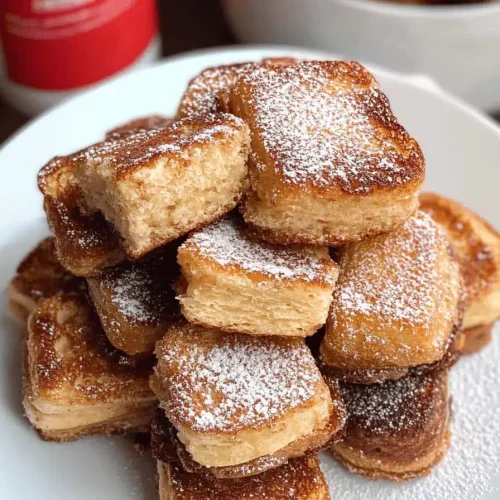
stuffed french toast
Ingredients
Main Ingredients
- 4 slices thick-cut bread
- 2 large eggs
- 0.5 cup milk
- 1 teaspoon vanilla extract
- 0.5 teaspoon cinnamon
- 1 tablespoon butter for cooking
- 4 ounces cream cheese softened
- 0.25 cup powdered sugar
- 0.5 cup strawberries sliced, for filling
Instructions
Preparation Steps
- In a shallow dish, whisk together eggs, milk, vanilla extract, and cinnamon for the egg wash.
- In a small bowl, beat together softened cream cheese and powdered sugar until smooth.
- Spread the cream cheese mixture onto two slices of bread. Top with sliced strawberries.
- Place the remaining two slices of bread on top to create sandwiches.
- Dip each sandwich into the egg wash, ensuring both sides are coated. Let soak for a minute or two.
- Melt butter in a skillet over medium heat. Cook the stuffed French toast for 3-4 minutes per side, until golden brown and cooked through.
- Serve immediately with your favorite toppings like syrup, whipped cream, or extra berries.