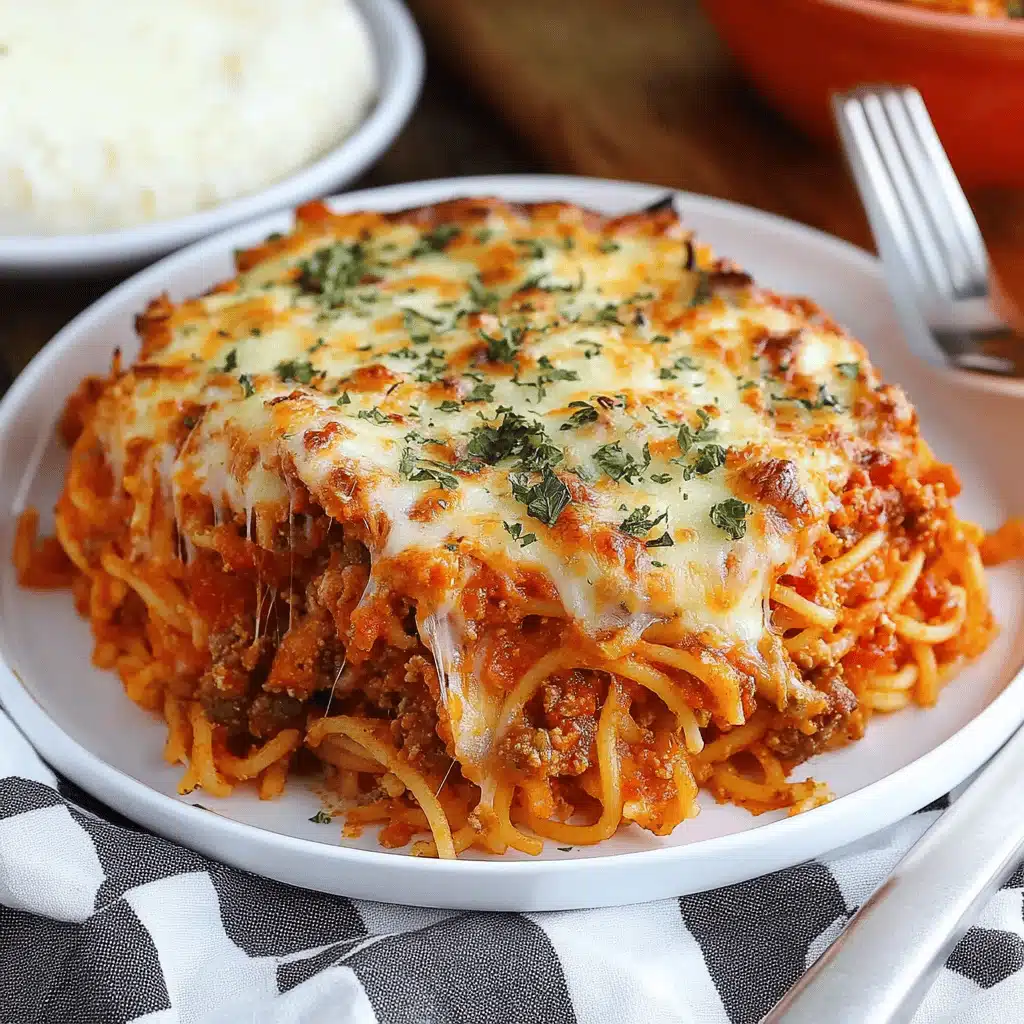
spaghetti carbonara

On a Tuesday evening the kitchen smells like memory—pancetta crackling, garlic softening in a splash of Olive Oil, and the glossy kiss of cheese on hot pasta. This spaghetti carbonara is the dish that greeted me after late-night finals and still wins hearts on busy weeknights. It’s not fussy, but it tastes like a hug you can spoon into a bowl. I always do this when I’m racing the clock: boil the pasta in generously salted water, stash a bit of that starchy liquid aside, and whisk eggs with cheese off the heat so the sauce stays satin-smooth. Some people swear by cream for a shortcut; I’ve tried it, and the texture never feels as bright or as true to the dish’s Italian soul. The magic is in using the pasta’s heat to gently cook the eggs, turning them into a luscious coating that clings to every strand. My family calls it “the Tuesday-night miracle” even when it’s a Monday. This spaghetti carbonara is my lifesaver on busy nights, and I can’t wait to pass along my favorite approach to you.

What is Spaghetti Carbonara?
Think of spaghetti carbonara as a study in simplicity done generously. It’s essentially pasta, eggs, hard cheese, and a salty, savory punch from cured pork. The name carbonara likely traces back to charcoal (carbon) or to the peppered, dark specks you see in the final dish. The concept is deceptively easy: you whisk eggs with finely grated Pecorino Romano (or a mix of Pecorino and Parmesan), cook the pancetta or guanciale until crisp, then toss hot spaghetti with the sizzling meat off the heat so the eggs emulsify into a glossy, creamy sauce. No cream needed—just patience, timing, and a quick hand at gentle heat. Regional twists show up in the cheese choice or the meat, but the core remains the same: a silky sauce that clings to every noodle, a peppery finish, and a posture of comfort you can taste in every bite. It’s one of those dishes that makes a simple pantry feel like a treasure trove.
Why you’ll love this recipe?
What I love most about this spaghetti carbonara is how it delivers big flavor with tiny effort. It’s the kind of dish you can pull off weeknights with the confidence of a seasoned home cook, yet it also feels special enough for a weekend dinner. Here’s what keeps bringing me back to the stove:
- Flavor: The richness comes from eggs and cheese melting into the hot pasta, with the pancetta lending crunch and a salty, smoky backbone. It’s creamy without cream, bright with black pepper, and deeply comforting from the first bite to the last.
- Simplicity: You can assemble the sauce in the time it takes the pasta to cook. It’
- Cost-efficiency: What is the best way to measure cost-efficiency?: Pantry staples shine here: pasta, eggs, cheese, and a small chunk of cured pork. You’re rarely buying fancy ingredients, yet you end up with a restaurant-worthy sauce.
- Versatility: I love that you can lean into pancetta, guanciale, or even a good-quality bacon in a pinch. Swap Pecorino for Parmesan if that’s what you have, or add a squeeze of lemon zest for a bright finish—these tweaks keep it exciting without losing the heart of the dish.
- Make-ahead potential: Cook the pasta and render the meat in advance; reheat gently with a splash of hot pasta water, then finish with the egg-cheese emulsion when you’re ready to serve. It’s a lifesaver on busy nights.
If you’ve ever compared it to a cream-based pasta, you’ll notice the brightness and the silkiness of the traditional version—creamy without being heavy, and with a nostalgic, welcoming aroma that makes the table feel instantaneously warm.
How to Make Spaghetti Carbonara
Quick Overview
Here’s the streamlined version: cook the spaghetti until just shy of al dente, render pancetta until crisp, whisk eggs with grated cheese off the heat, toss the hot pasta with the pancetta and a splash of its fat, and then fold in the egg-cheese mixture off the heat so the sauce stays glossy instead of scrambled. Finish with pepper and a little extra cheese. This method honors the classic texture—silky, glossy, and coated on every strand—without turning the kitchen into a hot, heavy mess.
Ingredients
For the Main Batter:
– 12 oz (340 g) spaghetti, preferably bronze-cut for a rougher surface to hold the sauce
– 4 large eggs (2 whole eggs + 2 yolks) at room temperature for better emulsification
– 1 cup finely grated Pecorino Romano, plus extra for finishing
– 1/2 cup finely grated Parmesan (optional, for a milder tang)
– Freshly ground Black Pepper, to taste
– Salt, for the pasta water
For the Filling:
– 6–8 oz pancetta or guanciale, diced (or a good-quality thick-cut bacon if that’s what you can find)
– A pinch of flaky salt (to season the pancetta as it cooks if needed)
For the Glaze:
– 1/2 cup reserved pasta cooking water (plus more as needed)
– Extra grated cheese, for finishing
– Extra cracked Black Pepper, for finishing
Step-by-Step Instructions
Step 1: Preheat & Prep Pan
Put a wide skillet over medium heat and let it warm. You want the pancetta to render slowly, getting crisp edges without scorching. While the pan heats, bring a generously salted pot of water to a boil for the pasta. Save a cup of that starchy water before you drain; you’ll thank me later.
Step 2: Mix Dry Ingredients
In a small bowl, whisk together the grated Pecorino Romano and Parmesan with a good crack of black pepper. This is your flavor backbone—think of it as the dry “glue” that helps the sauce cling to every strand of pasta.
Step 3: Mix Wet Ingredients
In a separate bowl, whisk the eggs and yolks until smooth. Stir in half of the cheese mixture. The rest will wait for the moment you fold the eggs into the hot pasta, so don’t mix too aggressively yet—you want that glossy, egg-y texture not scrambled eggs.
Step 4: Combine
When the pasta is just shy of al dente, scoop out a portion of the cooking water. Drain the pasta, but don’t rinse. Return it to the hot pot or to the pan you’ll finish it in, off the flame. The residual heat is what will coax the eggs into a velvety sauce when you combine everything.
Step 5: Prepare Filling
In the skillet, cook the pancetta over medium heat until it renders fat and becomes crisp around the edges. Don’t rush this—patience here yields a crunch that contrasts beautifully with the creamy sauce. If you taste a crisp bite and it’s steady, you’re on the right track. Turn off the heat once it’s done to keep the fat from browning too much.
Step 6: Layer & Swirl
Pour the egg-cheese mixture over the hot pasta, off the direct flame. Quickly toss and swirl the pasta with tongs, adding a splash of the reserved pasta water as needed to loosen the sauce. The goal is a lustrous, even coating that glides along every noodle. Add the crisp pancetta and its rendered fat, then toss again. You should hear a soft sizzle as the sauce emulsifies; if it looks clumpy, whisk in a touch more hot water until it shines.
Step 7: Bake
There’s no baking in traditional spaghetti carbonara, which is half the fun. If your surface is a touch too hot and the sauce seems at risk of scrambling, simply remove the pan from the heat for a moment, then return and give it another quick whirl. The heat from the pasta and the pan will do the rest, turning everything into a glossy, satin-coated bowl of goodness. If you insist on a baked finish, you can lightly bake the composed dish for 2–3 minutes at a very low temp, but I rarely bother—the stovetop finish keeps the texture lighter and more authentic.
Step 8: Cool & Glaze
Let the pasta rest for a minute or two after tossing. This short pause helps the sauce thicken slightly and cling to the pasta just right. For plating, spoon a bit more cheese over the top and finish with a crack of black pepper. If you love a bit of extra gloss, add a teaspoon of the starchy pasta water and swirl gently. This is where the “glaze” concept becomes visual: a silky sheen that catches the light as you twirl your fork.
Step 9: Slice & Serve
Twirl a generous portion onto each plate, finish with more cheese and pepper, and present with a simple side of crusty bread. The aroma should be peppery, cheesy, and savory enough to make the table quiet for a moment as everyone forks in. I like to pair this with a bright green salad to cut through the richness, plus a chilled white wine or sparkling water with a lemon twist. My kids actually ask for seconds before the first bite lands on the table—trust me, that’s the sign of a good carbonara night.
What to Serve It With
This spaghetti carbonara shines on its own, but a few well-chosen accompaniments can elevate the experience depending on the moment:
For Breakfast: A light, crisp salad on the side with a zippy citrus vinaigrette; a slice of crusty sourdough to mop up any leftover sauce; a small espresso or strong coffee to mimic the Italian morning tradition.
For Brunch: A sparkling white wine spritzer or a chilled prosecco, plus a tomato bruschetta topped with a whisper of garlic to wake up the palate. The peppery bite of the carbonara pairs beautifully with bright, fresh flavors.
As Dinner: A simple green salad, Roasted Broccoli or wilted spinach, and a glass of Pinot Grigio or Verdicchio. The cheese-forward sauce loves a crisp, citrusy wine to cut through the richness.
For Cozy Snacks: A small bowl of olives, a handful of marcona almonds, and a slice of warm bread. If you’re cooking for kids, keep the pepper light so the flavors stay approachable, then let everyone add a pinch at the table to taste.
Traditionally, this dish stands strong on its own, but I’ve found that the best evenings happen when you lean into easy, complementary sides rather than overloading the plate. It’s a family favorite because it stays true to what we love about pasta: simple, shareable, and deeply satisfying.
Top Tips for Perfecting Your Spaghetti Carbonara
These are the little habits that have saved my carbonara nights more times than I can count. They’re practical, tested, and a little bit sneaky in the best possible way.
Zucchini Prep: If you’re tempted to introduce zucchini for extra veggie points, grate a small zucchini and squeeze out the moisture through a clean towel. Sauté briefly with the pancetta so it picks up salt without releasing watery juices into the sauce. I do this only occasionally, but when I’ve got a garden’s worth of zucchini in the fridge, it’s a tasty, light twist that still keeps the sauce glossy.
Mixing Advice: The most critical moment is when you combine the egg-cheese mixture with the hot pasta. If the pan is too hot, you’ll scramble the eggs; if it’s not hot enough, the sauce won’t emulsify. My trick is to remove the pan from the heat entirely, whisk the eggs, then start tossing with the pasta, slowly adding a little hot water at a time until the sauce glides like satin. The texture should feel luxurious but not heavy, and it should cling to each strand like a silk scarf on a breezy day.
Swirl Customization: The way you toss matters. Use quick, decisive twirls with tongs to coat the spaghetti evenly, then finish with a gentle fold to distribute the pancetta. A visual cue I love is the way the strands start to separate and then come back together as the sauce thickens—glossy, almost sinfully smooth, and winking with pepper specks.
Ingredient Swaps: If you can’t find Pecorino Romano, use a high-quality Parmesan or a mix of both. Pancetta is traditional, but good guanciale or a thick-cut bacon can work in a pinch. For dairy-free options, you can experiment with almond milk plus a starchy cheese substitute—but the texture won’t be quite the same, so keep expectations in check and consider adding a splash of olive oil to enrich the velvet mouthfeel.
Baking Tips: There’s really no bake here, but if your kitchen runs hot, you may notice the sauce thickening too quickly. In that case, lift the pan off the direct heat for a moment and add a touch more pasta water to rebalance the emulsification. If you do want a crisp edge to the pancetta, finish it in a hot oven for a minute or two before tossing the pasta—just don’t let it go too long, or you’ll render away all that delightful fat.
Glaze Variations: The “glaze” in carbonara is all about that glossy finish. If you’re craving a brighter note, a tiny amount of lemon zest or a pinch of chili flakes can wake things up without stealing from the cheese. For a richer finish, add a dollop of the starchy water with the cheese to reinvigorate the sheen as you plate.
Over the years I’ve learned that the secret isn’t a mysterious technique or a fancy ingredient. It’s timing, temperature control, and a little love poured into the pot. I’ve tested this both with just the classic ingredients and with a few playful tweaks, and I keep coming back to the same conclusion: the best spaghetti carbonara textures out when you respect the heat and let the egg-thickened sauce find its perfect balance with the cheese and pepper.
Storing and Reheating Tips
Leftover spaghetti carbonara can be a little tricky because dairy-based sauces tend to separate when reheated aggressively. Here’s how to keep it delicious the next day:
Room Temperature: If you’re planning to eat it within a couple of hours, keep it covered at room temperature and finish with a quick reheat in a pan over low heat, adding a splash of pasta water as needed to bring back the gloss.
Refrigerator Storage: Store in an airtight container for up to 2 days. Reheat slowly in a skillet with a splash of hot pasta water or a teaspoon of olive oil, stirring gently until warmed through and glossy again.
Freezer Instructions: Freezing is not ideal for carbonara; the texture often doesn’t recover well after thawing. If you must freeze, freeze the components separately (pasta, eggs, cheese, pancetta) and reassemble fresh, then cook briefly to finish. You’ll want to remake the sauce rather than reheating prepared leftovers for best results.
Glaze Timing Advice: If you’ve stored the leftovers, it’s best to add the unscored, fresh egg-cheese emulsion just before serving rather than folding it into cold leftovers. This keeps the sauce silky instead of gritty or separated.
In short, the sturdiest approach is to cook the pasta fresh and keep the rest of the components ready to go. Then you’ll have that incredible aroma and the glossy, irresistible texture you fell in love with in the first place.
Frequently Asked Questions
Final Thoughts
Spaghetti carbonara isn’t just a pasta dish—it’s a reminder that the best meals come from a handful of ingredients treated with care. It tastes like warmth, like Sunday dinners that stretch into Monday, like family stories told over a pot of steam and a wooden spoon. I’ve learned that you don’t need a fancy technique or a long list of steps to make something unforgettable—just patience, a light touch, and a willingness to trust the heat. If you’re new to carbonara, take a breath, set the stove to a gentle rhythm, and let the sauce do the talking. You’ll likely hear a chorus of satisfied sighs the moment you plate. And please, come back and tell me how yours turned out—I love hearing about the little tweaks you discover along the way. Happy cooking, friends, and may your noodles be perfectly glossy and your smiles even glossier.
Would you like to see a version with crispy roasted garlic, a touch of chili, or a smokier pancetta profile? Drop a note in the comments and tell me what your family loves most about spaghetti carbonara. If you try my method, I’d be thrilled to hear which step made the biggest difference for you. And if you’d like more hands-on guidance, I’ve got a few quick video clips saved in my own recipe collection that walk through the emulsification moment step by step. Until next time, enjoy every twist of your fork and every memory you stir into your bowl. Can’t wait to hear how yours turns out!

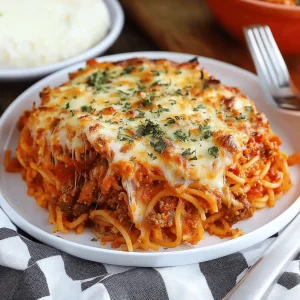
Spaghetti Carbonara
Ingredients
Main Ingredients
- 0.25 pound Guanciale or pancetta diced
- 3 large Eggs
- 1 cup Pecorino Romano cheese finely grated
- 0.5 cup Parmesan cheese finely grated
- 1 pound Spaghetti
- 1 teaspoon Black pepper freshly ground
- Salt for pasta water
Instructions
Preparation Steps
- Bring a large pot of generously salted water to a boil. Cook spaghetti according to package directions until al dente.
- While the pasta cooks, whisk the eggs, Pecorino Romano, Parmesan, and black pepper in a medium bowl until well combined. Set aside.
- In a large skillet, cook the guanciale or pancetta over medium heat until crispy and browned. Remove the meat with a slotted spoon and set aside, leaving the rendered fat in the skillet.
- Once the spaghetti is cooked, reserve about 1.5 cups of the pasta water. Drain the spaghetti and add it directly to the skillet with the rendered fat. Toss to coat.
- Remove the skillet from the heat. Quickly pour the egg and cheese mixture over the hot pasta, tossing continuously with tongs. The residual heat will cook the eggs and create a creamy sauce. If the sauce is too thick, gradually add small amounts of the reserved pasta water until it reaches your desired consistency.
- Stir in the cooked guanciale or pancetta. Serve immediately, garnished with extra Pecorino Romano cheese and black pepper.