slow cooker beef roast

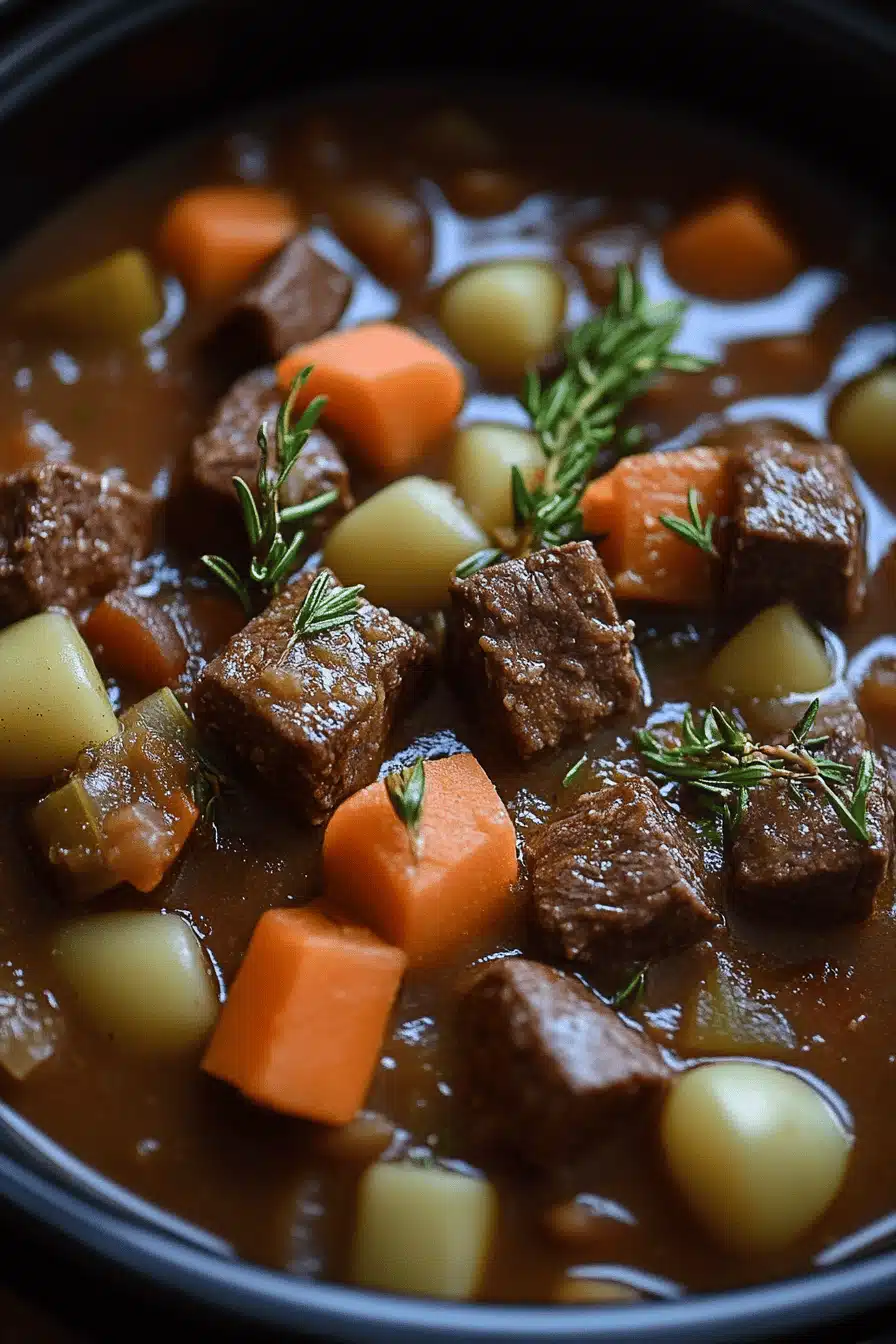
I’m standing at my kitchen counter, the coffee steam curling up like little ghosts of mornings past, and the house smells faintly of thyme and beef—the kind of aroma that instantly says “home.” This Slow Cooker beef roast is the kind of comfort I reach for when the calendar looks booked and I need a hug in a dish. It’s incredibly flavorful without demanding every minute of my attention, which makes it a lifesaver on busy nights. I remember my grandmother making something similar, except she’d let it braise all day in a dutch oven, the way old-school braises taste best: rich, deeply seasoned, and somehow better the next day. This version—the slow cooker beef roast—takes all that memory and squeezes it into a set-it-and-forget-it weeknight wonder. The first time I made it, I swear the whole family drifted into the kitchen for seconds, the scent alone drawing them in like a magnet. It’s a little recipe, a lot of love, and the quickest path to “dinner is served.” If you’ve got a tight evening ahead, you’ll see what I mean as the sauce simmers and the beef becomes impossibly tender.
What is slow cooker beef roast?
Think of Slow Cooker beef roast as a warm, forgiving method for turning a humble cut into something epic. It’s essentially braised meat that’s patiently cooked in a liquid until it’s breaking apart in all the right places, with vegetables that take on the same cozy notes. The name says it all: you pop a hefty chuck roast into the slow cooker, add aromatics, a little acid to brighten things, and let the cooker do the heavy lifting. The result is tender, depth-filled beef with that classic roasty caramelization you crave, and a pan sauce that’s practically a gravy’s majestic cousin. It’s not fancy, it’s not fussy, but it feels like a hug in a bowl. If you’ve ever wondered, “Can I get a big, comforting roast without turning on the oven all day?” the answer is yes. This slow cooker beef roast is your answer, your backup plan on a hectic week, and your favorite go-to for family dinners that feel like a celebration without the stress.
Why you’ll love this recipe?
What I love most about this Slow Cooker beef roast is how it somehow tastes like it spent hours braising, even though I started it in the morning and walked out the door for a few errands. The scent alone when you lift the lid is enough to make everyone in the house hover nearby, a whisper of onion and garlic and thyme that makes you forget the to-do list. The flavor is deep and round—beefy, savory, a touch of sweetness from caramelized onions, and a gentle acidity that keeps the sauce bright. And yes, it’s incredibly simple. You can season the meat, pick out a handful of veg, set the timer, and forget about it until the house smells like Sunday supper. It’s also kind to your wallet: a sturdy chuck roast, a handful of pantry staples, and some veggies stretch into multiple meals, which is a big win for weeknight planning. The versatility is the cherry on top: you can serve it with mashed potatoes, over noodles, or shred it for sandwiches, and it never feels tired. What I love most about this slow cooker beef roast is how forgiving it is—it’s a recipe I’ve tweaked over the years, and every version still feels like home. It’s a crowd-pleaser, a freezer-friendly option, and a dependable plan B when life gets busy.
How do I cook slow cooker beef roast?
Quick Overview
Here’s the quick version: sear a big chuck roast to develop color and flavor, then nestle it with onions, carrots, and a few aromatics in the Slow Cooker. Add beef broth or stock, a splash of tomato paste for depth, and a touch of soy or Worcestershire for that savory underline. Let it braise on low all day (or high for a shorter window) until the meat is fall-apart tender and the vegetables collapse into a silky sauce. If you want a glossy finish, whisk a quick cornstarch slurry into the sauce at the end or finish with a pan sear and glaze. The beauty of slow cooker beef roast is that you wake up or return home to a finished dinner, with a sauce that feels luxe even though it started with simple ingredients. It’s the kind of method you’ll reach for again and again when you need a comforting, reliable meal.
Ingredients
For the Main Batter:
- 3–4 lb chuck roast (bone-in or boneless, your call) — well trimmed
- 1 tablespoon kosher salt and 1 teaspoon Black Pepper, divided
- 2 tablespoons olive oil (for searing)
- 1 large onion, sliced
- 2–3 garlic cloves, minced
- 2 cups beef broth or stock
- 1 cup red wine (optional, substitutes with more broth)
- 2 bay leaves
- 2–3 sprigs fresh thyme or 1 teaspoon dried thyme
- 1–2 carrots, roughly chopped
- 1 stalk celery, chopped
For the Filling:
- 1 tablespoon tomato paste
- 1 teaspoon Dijon mustard (optional but nice)
- Salt to taste
- Pepper to taste
For the Glaze:
- 2 tablespoons brown sugar or honey
- 2 tablespoons soy sauce or tamari
- 1 tablespoon apple cider vinegar or balsamic for depth
- 1 teaspoon cornstarch mixed with 1/4 cup water (slurry)
- Salt and pepper to taste
Step-by-Step Instructions
Step 1: Preheat & Prep Pan
Heat a heavy skillet over medium-high heat and pat the roast dry. A dry surface helps develop a crust that tastes like it spent hours in a braise. Sear the roast on all sides until it’s rich bronze and a light crust forms, about 3–4 minutes per side. This step is my favorite because the sizzling sound and that color are pure comfort. If you’re skipping the sear, the final dish will still be delicious, but you’ll miss that extra depth in the sauce and the roast’s crusty exterior.
Step 2: Mix Dry Ingredients
While that beautiful crust forms, mix a simple rub: salt, pepper, a pinch of smoked paprika if you’ve got it, and a whisper of garlic powder. The goal is a balanced seasoning that won’t overwhelm the beef’s natural flavor. The trick I learned over the years is to salt ahead and let the meat rest on the counter for about 15 minutes after applying the rub. It helps the salt penetrate, which makes the final roast more evenly seasoned.
Step 3: Mix Wet Ingredients
In the same pan you seared the roast, toss in sliced onions and a couple of minced garlic cloves. Sauté until they’re just starting to soften and the edges are caramelizing. Deglaze with a splash of red wine (or extra broth, if you’d rather skip alcohol). Scrape up all the browned bits; those little places carry concentrated flavor that you’ll thank yourself for later when you’re making that sauce.
Step 4: Combine
Transfer the roasted meat to the slow cooker. Scatter the sautéed onions, garlic, carrots, and celery around it. Pour in the rest of the beef broth, wine, and a bay leaf or two, then lay a few thyme sprigs over the top. Stir in the tomato paste and Dijon if you’re using them. This is where the slow cooker magic starts—the meat slowly absorbs all those aromatics, and the vegetables soften into a comforting bed for the roast.
Step 5: Prepare Filling
In a small bowl, whisk together the tomato paste, Dijon mustard, and a pinch of salt. This “filling”—or more accurately, the pan flavoring—will intensify as the roast braises. If you like a touch of brightness, add a teaspoon of lemon juice or a splash of Worcestershire. You’re aiming for a sauce that tastes deeply meaty with a hint of tang—enough to cut through the richness without overpowering it.
Step 6: Layer & Swirl
Pour the filling over the roast and vegetables. If you want to swirl a little glaze into the sauce at the end for a shiny finish, keep the glaze components separate and add the slurry as the roast finishes, giving the sauce a gentle swirl rather than a rough mix. The visual cue you want is a glossy, wine-toned sauce that clings to the meat. Layering is key here: the meat anchors the dish, the vegetables provide texture, and the aromatics float through the sauce for harmony.
Step 7: Bake
Now, if you’re using a slow cooker, set it on low for 8–10 hours or high for 4–6 hours. The meat will become tender and pull apart with a light touch. If you’re craving a bit more crust or color, you can finish the roast in a hot oven for 10–15 minutes after the slow cooking, brushing with the glaze to create a lacquered finish. That extra step is purely optional, but wow—my family sometimes fights for the last slice when the glaze is glossy and just the right amount of sweet-salty.
Step 8: Cool & Glaze
Once the roast is tender, let it rest for about 15–20 minutes before slicing. Resting helps the juices reabsorb, so you don’t end up with dry slices. If you’re finishing with the glaze, return the sauce to a gentle simmer on the stove and whisk in the cornstarch slurry until the sauce thickens to a nappe-like consistency. Drizzle a little glaze over the top before slicing, and reserve the rest for dipping or spooning over potatoes and greens. The glaze adds a beautiful shine and a touch of sweetness that balances the beef’s savor.
Step 9: Slice & Serve
Slice the beef across the grain for tender, melt-in-your-mouth bites. If you’ve got a pull-apart roast, you can shred it with two forks and toss it back into the juices to soak up more flavor. I love serving this slow cooker beef roast with mashed potatoes or buttered egg noodles, and a green salad or roasted broccoli on the side for a bit of color and brightness. The kitchen smells incredible while you plate—trust me, the moment you bring the platter to the table, everyone’s ready to dig in.
What to Serve It With
This slow cooker beef roast shines with simple, comforting sides that carry the same homey mood. I like to set a few options on the table so everyone can customize their plate, just like a little family buffet.
For Breakfast: Think leftovers upgraded: a quick sunny-side-up egg perched on a slice of beef with a dab of glaze, plus a lightly fried potato hash. A cup of strong coffee and a little orange marmalade on the side makes the morning feel special.
For Brunch: Slow cooker beef roast makes a dramatic, crowd-pleasing centerpiece. Slice thin, arrange on a platter with warm rolls, horseradish cream, and a crisp cucumber pickle. A sparkling water with a splash of lemon is perfect to balance the richness.
As Dessert: Okay, not literally dessert, but you can spoon some of the glossy glaze over roasted carrots for a sweet-savory side that feels like a tiny after-dinner treat on the plate. It sounds odd, but it’s surprisingly delightful with a small dollop of sour cream.
For Cozy Snacks: Shredded beef on crusty bread with a quick pickled onion salsa makes a comforting late-evening bite. It’s exactly the kind of “I’ll just make one more quick plate” moment that becomes a family favorite after a busy day.
My kids actually ask for seconds of this slow cooker beef roast and it’s easy to see why—the meat melts into a sauce that clings to everything on the plate, and the savory-sweet glaze adds a touch of magic.
Top Tips for Perfecting Your slow cooker beef roast
These are the little tricks I’ve learned after making this many times—they’re the things that push a good roast into unforgettable territory.
Zucchini Prep: If you’re serving a side of sautéed zucchini with this roast, slice it into rounds, salt lightly, and let it rest for 10 minutes to draw out moisture. Pat dry before cooking to avoid extra liquid in the pan. This keeps the veggie bite bright and the plate balanced, so the beef doesn’t overwhelm everything with richness.
Mixing Advice: When you’re mixing your rub, avoid overworking the meat. A quick, even coating is enough; overworking can mush the texture and push out juices. I’ve found that patting the rub on and letting the meat rest a bit makes the surface hold up better to searing and slows down the release of moisture during braising.
Swirl Customization: The glaze swirl is optional, but it’s a fun way to personalize the dish. A few drops of sesame oil in the glaze add a toasty note, while a splash of red wine vinegar brightens the final sauce. If you’re serving kids, dial back the vinegar and keep the glaze simpler and sweeter.
Ingredient Swaps: I’ve swapped in turkey stock, mushroom broth, or a little dry cider in place of beef stock at times. The final flavor shifts subtly, but the technique stays the same. If you’re avoiding alcohol, just use extra stock and a touch more tomato paste for depth.
Baking Tips: If you do want a crustier exterior or a more defined pan sauce, finish under a broiler for a few minutes after the slow cook. Keep a close eye, as it can go from perfectly bronzed to burnt in seconds. If you’re oven-finish curious, a 450°F blast for 5–8 minutes does wonders for that crust.
Glaze Variations: Try a maple-balsamic glaze or a chimichurri finish for a bright, fresh lift. If you want something less sweet, reduce the sugar and amp up the vinegar. The glaze should coat the meat lightly, not pool in the pan.
Lessons learned: patience is the secret here. Searing, deglazing, and layering flavors makes the final slow cooker beef roast taste like it spent longer on the stove. Don’t rush the browning stage, and you’ll taste the difference in every bite. You’ll also notice that letting the meat rest a bit after cooking helps retain juices, so the slices stay juicy rather than turning dry.
Storing and Reheating Tips
Whether you’re packing this slow cooker beef roast for weekday lunches or saving a few portions for next-day meals, proper storage is everything for keeping flavor and texture intact.
Room Temperature: If you’ve got leftovers, store them in an airtight container at room temperature for up to two hours. After that, refrigerate. The sauce thickens slightly as it cools, which is normal and easy to reheat.
Refrigerator Storage: Leftovers keep well for 3–4 days in the fridge. For best texture, store the beef and sauce separately if possible; otherwise, keep them together in a shallow container to cool quickly.
Freezer Instructions: Freeze in small portions for quick meals later. Use freezer-safe bags or containers and label with date. The beef can stay good for up to 2–3 months. Thaw in the fridge overnight, then reheat gently in a skillet with a splash of broth to loosen the sauce.
Glaze Timing Advice: If you’re freezing, you can add the glaze after reheating to keep it shiny and bright. If you’re serving from the freezer, consider thinning the sauce slightly with extra broth when reheating to loosen it back to a saucy consistency.
Quality tips: the beef should reheat without drying out if you rewarm slowly over medium-low heat. A splash of broth or a touch of butter at the end can brighten the sauce and keep it silky.
Frequently Asked Questions
Final Thoughts
This slow cooker beef roast is the kind of dish that reminds you why cooking at home matters—the way the scents linger, the way a single, good cut of meat becomes something you want to share with people you love, and the way a simple ingredient list turns into a meal that tastes like an occasion. It’s not fussy, it’s not complicated, and it’s one of those recipes I reach for when I want to feed a crowd without feeling stretched thin. It’s the kind of dish that earns a spot in your weekly lineup, because you know you can count on it to deliver comfort and warmth in every bite. If you give it a try, I’d love to hear how you like to finish it—glazed, unglazed, finished with a dollop of horseradish cream, or with a sprinkle of fresh herbs. Happy cooking, friends, and may your slow cooker always be kind.
Share your version in the comments, rate the recipe, and tell me what you swapped or added. I’m always curious about the little twists that become family favorites. And if you’re looking for more cozy weeknight ideas, I’ve got a handful of other slow-cooker wonders and oven braises that pair beautifully with this roast. Enjoy every savory bite, and here’s to many more dinners that feel like a warm, grateful hug around the table. Happy baking—and even happier eating!

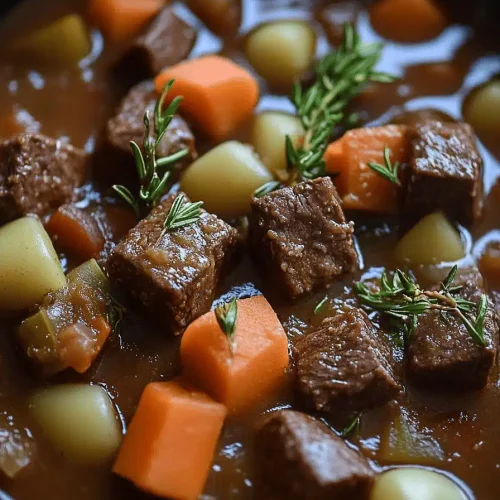
Simple Slow Cooker Beef Roast Dinner
Ingredients
Main Ingredients
- 3 pounds beef roast
- 2 tablespoons sea salt
- 1 tablespoon freshly ground black pepper
- 1 medium yellow onion cut into 1-inch pieces
- 5 large carrots cut into 1-inch pieces
- 1.5 pounds baby potatoes
- 4 cloves garlic smashed
- 1 tablespoon dried oregano
- 2 leaves bay leaves
- 2 tablespoons avocado oil or vegetable oil
- 5 cups beef stock or beef broth
For the Gravy
- 3 tablespoons salted butter
- 3 tablespoons all-purpose flour
- salt and freshly ground black pepper to taste
Instructions
Preparation Steps
- Season the beef roast with sea salt and ground black pepper and let sit until it comes to room temperature (about 15 minutes).
- In the meantime, add the chopped yellow onions, carrots, baby potatoes, garlic, oregano, and bay leaves to the bowl of a slow cooker. Set aside.
- Heat the avocado oil in a heavy-bottomed pan over medium-high heat.
- Place the seasoned beef roast in the pan and let sear for 2 minutes before flipping and searing for 2 minutes on the other side.
- Transfer the seared beef roast to the slow cooker; pour in the beef stock. The liquid should cover about 3/4 of the beef roast. If needed, add more broth.
- Close the slow cooker and cook on low heat for 8 hours, flipping the roast halfway through.
- When cooking time is up, remove the beef from the slow cooker and transfer it to a cutting board. Shred the beef roast using two forks or meat shredders - it should be fall-apart tender. If it's not pulling easily, place it back in the slow cooker and continue to cook for 30 more minutes and up to one hour.
- Melt the butter in a saucepan over medium heat.
- Add the flour and whisk continuously for 2 minutes (do NOT allow the mixture to brown).
- Slowly add 3 cups of the cooking liquid from the slow cooker, whisking continuously until smooth.
- Allow the gravy to simmer for 3 to 4 minutes or until thickened to your desired consistency, stirring occasionally.
- Serve the shredded beef roast over the carrots and potatoes and top with the gravy.