Sausage cabbage recipe

I’m not exaggerating when I say this sausage cabbage recipe is a lullaby for weeknights. The moment the pan hits the oven, the kitchen fills with a warm, almost nostalgic aroma—savory sausage, caramelized onions, and that gentle sweetness from cabbage that somehow tastes like home. I grew up on skillet meals like this, where ingredients do their little dance together and dinner happens almost on its own. This particular version feels like a hug in a pan: hearty enough to satisfy, easy enough to throw together after a long day, and friendly to both your wallet and your schedule. If you’ve ever braided sausage with greens or riffed on a simple cabbage skillet, you know this sausage cabbage recipe hits all the right notes. The taste is cozy and satisfying, with a glaze that finishes it off like a little bow on top. It’s the kind of dish my family asks for again and again, and I think you’ll start reaching for it on those busy nights too.
What is a sausage cabbage recipe?
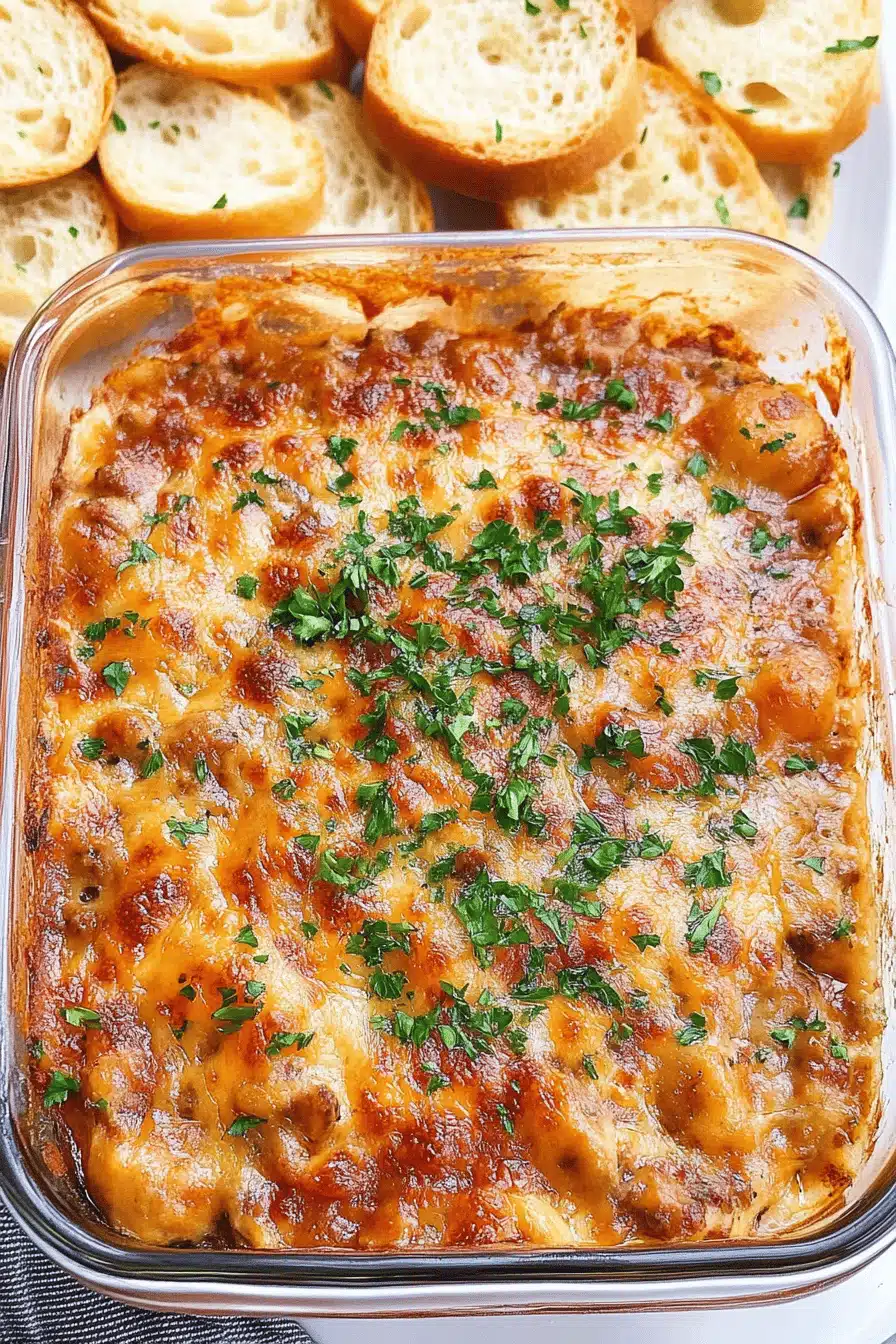
Think of Sausage cabbage recipe as a cozy casserole-meets-skillet hybrid, designed to feed a hungry crew with minimal fuss. It’s essentially a sausage-and-cabbage bake bound together with a simple egg-and-milk batter and finished with a tangy glaze. The name isn’t about a fancy technique; it’s about a straightforward, deeply satisfying idea: browning sausage, coaxing cabbage until it’s tender and caramelized, then letting everything set into a comforting, sliceable bake. I love calling it a “one-pan miracle” because you get flavor from searing, texture from the cabbage, and a gentle richness from the batter—all without juggling a million pots. It’s a crowd-pleasing dish that travels well for potlucks, and it’s perfect for Sunday dinner that somehow tastes like you fussed for hours when you only spent 40 minutes in the kitchen.
Why you’ll love this recipe?
What I love most about this sausage cabbage recipe is how deeply recognizable it feels—like a dish you’ve known forever, even on a first try. Here’s why it earns its place on our table, night after night:
- Flavor: The sausage brings a meaty, savory backbone, while the cabbage sweats down to a soft, slightly sweet note. The glaze adds a bright, peppery kick that ties everything together without overpowering the base flavors. It’s comfort with a quick spark.
- Simplicity: It’s a straightforward bake, with a few pantry staples turned into something bigger than the sum of their parts. I’ve made this on days when I’m juggling kids, work, and groceries, and it still feels relaxing to pull together.
- Cost-efficiency: What is the best way to measure cost-efficiency?: Ground sausage or sausage slices plus cabbage stretch beautifully, and you can stretch leftovers into another meal without feeling like you’re fighting for every bite
- Versatility: Swap in Italian sausage for a different herb profile, or switch to turkey sausage for a lighter version. A touch of apples or a spoonful of mustard can shift the balance in delightful ways. It’s a recipe that wears many hats.
- Meal-structure friend: This isn’t a one-night wonder; it’s a dinner you can plan around—make it for a weeknight and carry leftovers into lunch with minimal effort.
If you’ve got a little extra time, I’ll add that the method scales beautifully. It freezes well, and re-heats with nearly all of its original charm. The smell—the moment the pan hits the heat and those flavors start blooming—will remind you why you fell in love with home cooking in the first place. This sausage cabbage recipe isn’t just a dinner; it’s a memory in the making, a pantry-friendly treasure you’ll reach for again and again.
How to Make Sausage Cabbage Recipe
Quick Overview
Here’s the quick, no-nonsense version: whisk together a simple batter, brown sausage with onions, toss in shredded cabbage and a few seasoning notes, layer and bake until the custard-like batter sets. Then shower on a glossy glaze that brightens every bite. The beauty is in the balance—savory, slightly sweet cabbage against meaty sausage, all bound by a tender, custardy finish. It’s a recipe that feels fancy enough for guests but stays wonderfully forgiving for a busy weeknight.
Ingredients
For the Main Batter:
– 4 large eggs
– 1 cup whole milk or almond milk (for a creamier texture, almond milk works surprisingly well)
– 1/2 teaspoon salt
– 1/4 teaspoon Black Pepper
– Optional: 1/4 cup grated Parmesan or cheddar for a little extra richness
For the Filling:
– 1 pound sausage (sweet or hot Italian style works great; or ground sausage, casings removed)
– 1 medium head green cabbage, core removed and shredded (about 6 cups loosely packed)
– 1 medium onion, finely chopped
– 2 cloves garlic, minced
– 1 tablespoon Olive Oil
– 1 tablespoon tomato paste
– 1 teaspoon smoked paprika
– 1/2 teaspoon dried thyme
– Salt and pepper to taste
For the Glaze:
– 2 tablespoons Dijon mustard
– 1 tablespoon maple syrup or honey
– 1 tablespoon APPLE CIDER vinegar
– 1/4 teaspoon chili flakes (optional; omit if you don’t want heat)
Step-by-Step Instructions
Step 1: Preheat & Prep Pan
Preheat your oven to 375°F (190°C). Lightly grease a 9×13-inch baking dish with a little oil or butter. I like to give the dish a quick spray with nonstick spray for extra assurance; this is the kind of detail that saves you from a stubborn baked edge later. If you’re using a casserole dish that’s a touch smaller, don’t sweat it—just keep an eye on the bake time and add 5–10 minutes if you need more set time. Prep your cabbage by shredding it fine and keeping it in a roomy bowl; you’ll want it ready to go so everything moves quickly once the pan hits the oven.
Step 2: Mix Dry Ingredients
In a small bowl, combine the paprika, thyme, salt, and pepper. These are the flavor flaggers—the moment they hit the hot pan, they wake up the aromatics and set the tone for the whole dish. I’ve learned that a generous pinch of salt in the filling is essential to counterbalance the cabbage’s natural sweetness, especially as it cooks down. If you like a deeper, more robust edge, go ahead and add a pinch of cayenne or crushed red pepper to this mix.
Step 3: Mix Wet Ingredients
Whisk the eggs with the milk, salt, and pepper until everything is well combined and a little frothy. The dairy portion brings a gentle richness that helps the bake stay moist as it rests. If you’re using a dairy-free version, a splash of unsweetened coconut milk can be a nice substitute, but I’d recommend adding a touch of nutritional yeast or a small amount of vegan cheese to keep that creamy texture intact. The key is to have a smooth, cohesive batter that will bind the filling together as it bakes.
Step 4: Combine
In a large skillet, brown the sausage over medium heat until it’s evenly cooked and the fat renders (about 6–8 minutes). Scoop out any excess fat if your sausage is particularly fatty. Add the onion and garlic to the pan and sauté until they’re soft and becoming translucent, about 3–4 minutes. Stir in the tomato paste, paprika, and thyme, letting the flavors bloom for another minute. Toss in the shredded cabbage and a pinch of salt, cooking just until the cabbage starts to wilt and turn bright green. You don’t want to overcook it here; you’ll finish cooking in the oven. The mixture should look saucy but not swimming in liquid.
Step 5: Prepare Filling
Now you’ll fold the filling into the dish so it’s evenly distributed. If you like a little extra texture, you can reserve a handful of shredded cabbage to sprinkle on the top before baking. This is a place where you can personalize: a handful of chopped apples for sweetness, a few tablespoons of Sour Cream for creaminess, or even a dash of cider for brightness. I often add a light dusting of shredded cheese on top for a gentle crust and extra melty goodness. Taste and adjust the seasoning—this is your moment to tune the flavor so it hits just right for your crew.
Step 6: Layer & Swirl
Spread a thin layer of the main batter in the bottom of the prepared baking dish. Layer half of the cabbage-sausage filling over it, then drizzle a spoonful of the glaze across in a gentle swirl. Repeat with the remaining batter and filling, finishing with a final swirl of the glaze on top. Don’t worry about perfect symmetry—the homey look is part of the charm. The batter will puff a little as it bakes, and the glaze will soak in to create little glossy ribbons that catch the eye and the palate.
Step 7: Bake
Pop the dish into the oven and bake for 45–55 minutes, or until the center is set and a knife inserted comes out clean. If you’re using a deeper bake dish, you might need an extra 5–10 minutes. You’ll know it’s ready when the edges are lightly golden and the top has a gentle jiggle that solidifies as it cools. If you like a crisper top, you can switch to broil for the last 1–2 minutes, watching closely so it doesn’t burn. The real magic happens as the batter binds with the filling and the whole casserole sets into a cohesive sliceable bake.
Step 8: Cool & Glaze
Let the bake rest for 10–15 minutes after coming out of the oven; this helps it firm up, making slicing easier and preventing a muddy serving. Meanwhile, whisk together a quick glaze of Dijon, maple syrup, and apple cider vinegar. Drizzle over the top in a few deliberate strokes and then give it a gentle swirl with the back of a spoon. The glaze should look shiny and inviting, not heavy. This finishing touch brightens the whole dish and adds a subtle tang that balances the richness from the sausage and eggs.
Step 9: Slice & Serve
Slice into generous squares and serve warm. The edges will have a slightly crisp edge, with a tender, custardy center that’s just begging for a sprinkle of chopped parsley or chives for color. I love serving this with a simple cucumber-dill salad on the side for crunch and brightness, or with a dollop of sour cream if you’re in the mood for indulgence. This is the kind of dish that invites conversation—every bite feels like a little memory being made together.
What to Serve It With
This sausage cabbage bake lives happily with a few simple accompaniments. Here are ideas that suit different moments:
For Breakfast: Rewarm slices and pair with fried eggs and a warm mug of coffee. A light sprinkle of fresh herbs on top makes it feel brunch-ready without extra effort.
For Brunch: Serve alongside a bright yogurt herb sauce and a crisp green salad with a citrus vinaigrette. A glass of sparkling water with a squeeze of lemon cleanses the palate beautifully between bites.
As Dinner: A simple green vegetable like sautéed spinach or charred green beans rounds this out perfectly. Add a crusty loaf or a garlic butter baguette to soak up the glaze. The dish shines when plated with a touch of color—chopped parsley, chives, or thin ribbons of red pepper for a pop.
For Cozy Snacks: Reheat and crumble over a bed of roasted potatoes for a casserole-y vibe that’s perfect for movie nights or casual gatherings. It also works wonderfully as a filling for stuffed peppers or a hearty topping for baked potatoes the next day.
In our home, this dish often becomes a family favorite because it’s flexible, forgiving, and delicious in any season. My sister loves to add a few apple slices for a hint of sweetness; my mom swears by a touch of Dijon in the glaze for a sharper finish. It’s the kind of recipe that invites everyone to weigh in with their own tweaks, which is exactly how tradition grows.
Top Tips for Perfecting Your Sausage Cabbage Recipe
If you’ve got your hands on this sausage cabbage bake, here are some practical tweaks I’ve learned from years of testing and tweaking. Small changes can make a big difference, so don’t be afraid to lean into your own kitchen quirks.
Cabbage Prep: Shred it finely so it cooks quickly and blends smoothly with the batter. If you’re dealing with a very watery cabbage, salt it lightly and let it sit for 10 minutes, then pat dry with a clean towel. This helps keep the bake from releasing too much moisture as it cooks.
Mixing & Texture: Don’t overmix once you combine the wet and dry components. A light stir is enough to distribute the ingredients without developing tough proteins, which keeps the custard-like texture soft and pleasant.
Swirl & Layering: When you swirl the glaze, think of it as painting a subtle pattern rather than splashing it around. A few deliberate lines create visual interest and ensure every bite has a touch of glaze.
Ingredient Swaps: Ground turkey or chicken sausage works well if you want a lighter version, though it might require a touch more seasoning to compensate for the milder flavor. Looking for more bite? Add a handful of chopped kale or a spoonful of Dijon to the filling for extra zing. For a vegetarian option, swap the sausage for sautéed mushrooms and chickpeas; you’ll still get a hearty, satisfying texture with a different flavor profile.
Baking Tips: If your oven runs hot, drop 25°F to 350°F and bake a bit longer. If yours runs cool, you might need to cover the top with a sheet of foil halfway through to prevent over-browning while the center finishes setting. The goal is a lightly golden top with a creamy, cohesive center.
Glaze Variations: Try a balsamic maple glaze for a deeper, sweeter finish, or swap the Dijon for whole-grain mustard to add texture. A splash of hot sauce mixed into the glaze gives a cheeky kick that kids might not notice at first bite but will definitely feel in the back of the mouth.
Personally, I’ve learned that the best results come from tasting as you go and keeping the dish a touch under-seasoned before baking. The heat of the oven will amplify the flavors, so you can always adjust with a final seasoning once you slice into it. It’s a comforting, flexible recipe that invites your personality to shine, and that’s what makes it a keeper in our house.
Storing and Reheating Tips
Leftovers are a gift with this recipe. Here’s how I keep them as delicious as the first night.
Room Temperature: If you’re keeping leftovers for a few hours, cover and let the dish sit at room temperature, but don’t leave it out longer than two hours. The flavors will mellow a bit as it rests, which isn’t a bad thing—the glaze will taste even brighter when you reheat.
Refrigerator Storage: Transfer leftovers to an airtight container within two hours of baking. They’ll keep for 3–4 days. Reheat in an oven-safe dish at 325°F (165°C) until warmed through, or use the microwave in 1–2 minute bursts, stirring halfway for even heating. If you’re worried about moisture, cover it loosely with foil to prevent drying out.
Freezer Instructions: Freeze individual portions for easy weeknights. Wrap tightly in foil or place in a freezer-safe container. They’ll stay good for up to 2–3 months. Thaw overnight in the fridge and reheat as above; you may need an extra 5–8 minutes to heat through from frozen.
Glaze Timing Advice: If you’re planning to freeze, you can apply the glaze after reheating to maintain its brightness. If you keep the glaze on during freezing, it can become slightly sticky; a quick re-glaze after reheating brightens the look and flavor again.
In my kitchen, this method ensures the dish holds together beautifully after reheating, and the glaze still shines on top with just a touch of extra warmth. It’s a testament to how a simple idea can become a little ritual you reach for all season long.
Frequently Asked Questions
Final Thoughts
In the end, this sausage cabbage recipe is more than a dinner option—it’s a cozy invitation. The dish’s warmth comes from simple ingredients treated with care, and the result is something that tastes like a memory you’re just starting to build with your own people. It’s forgiving, flexible, and wonderfully comforting—exactly the kind of meal that earns its place on the weekly rotation. If you’re new to this style of bake, give it a try with the basic version first, then start tinkering with your own twists: a touch of apple, a different glaze, or a cheese crust on top. I’d love to hear how yours turns out—drop a comment below with your tweaks, your favorite sides, and what you served it with. Happy baking!