Rosemary Focaccia Bread

I’ve got a soft spot for rainy afternoons, the kind that make the kitchen feel like a warm hug. I remember my grandma’s kitchen steaming up the windows, a bowl of dough in the middle, and the scent of rosemary swooping through the room like a gentle forecast of something wonderful. This Rosemary Focaccia Bread is my grown-up version of that memory: crisp on the outside, pillow-soft inside, and infused with that magical rosemary perfume that makes everything feel a little brighter. It’s naturally forgiving, a friends-and-family kind of bread that’s as happy torn into rustic chunks for dipping as it is plated as a centerpiece. If you’ve ever compared a crusty loaf to a lazy Sunday, you’ll know what I mean—Rosemary Focaccia Bread has that same cozy charm with just a touch more personality. I’m telling you, the moment this dough hits the pan and starts to puff, the whole house smells like a Sunday brunch—and yes, it’s every bit as comforting as it sounds. This is the kind of recipe that disappears in minutes at my house, and I bet it’ll do the same at yours.
What is Rosemary Focaccia Bread?
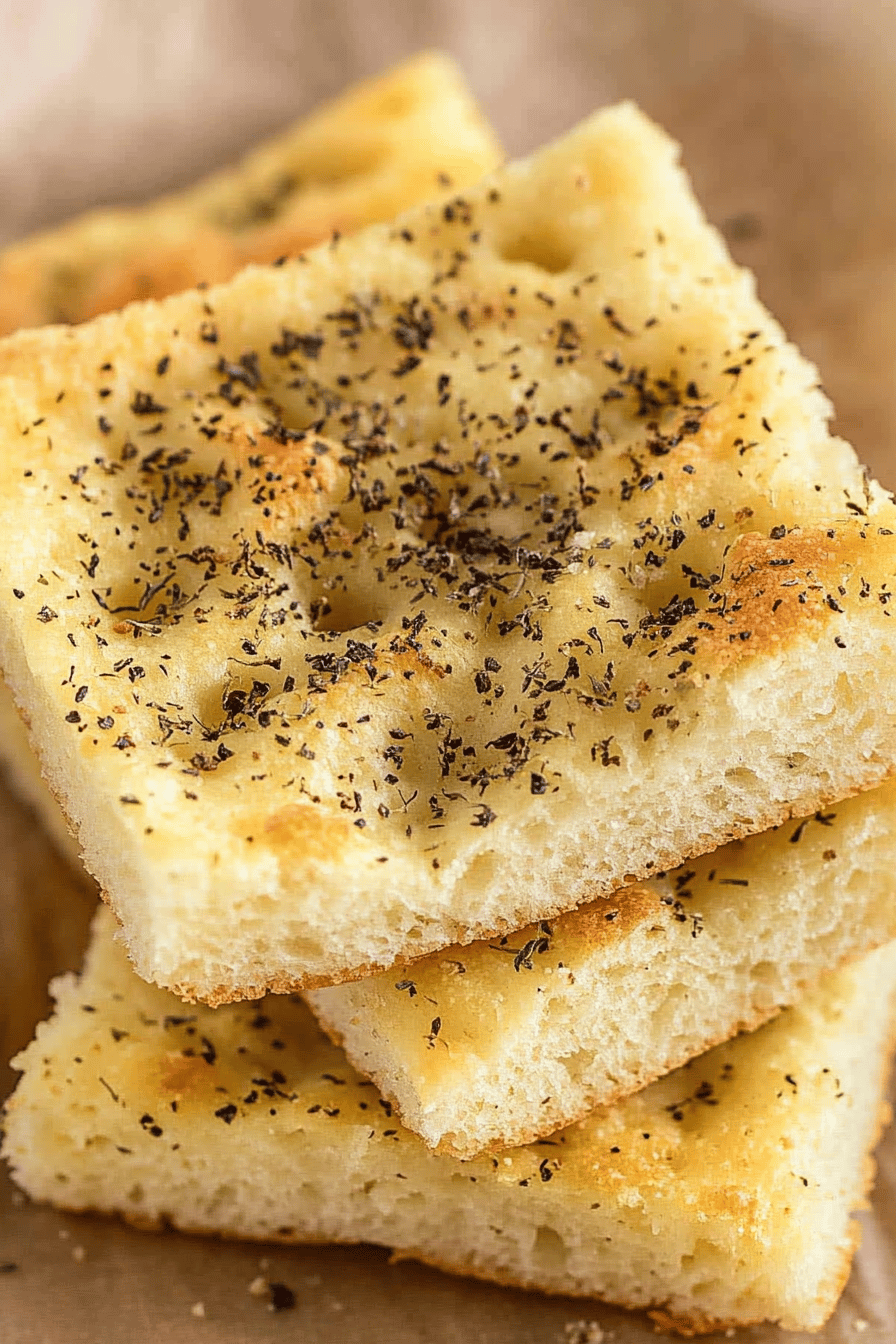
Think of Rosemary Focaccia Bread as bread’s sunniest cousin: a versatile, olive-oil-soaked flatbread that’s wonderfully forgiving and deeply aromatic. It’s essentially a spacious, yeast-leavened dough that’s stretched into a sheet, dimpled with fingertips, and finished with a generous drizzle of Olive Oil and herbs. The name focaccia comes from the idea of baking on a hearth, but today it’s a global peek into rustic Italian baking, where the dough can host all sorts of toppings. My Rosemary Focaccia Bread keeps it simple yet incredibly satisfying: a tender crumb, a blistered golden crust, and a bright rosemary aroma that travels straight from the pan to your nose and into your mood. It’s a bread that begs to be shared—snapped apart for a quick snack, torn into pieces for a family lunch, or served warm as a statement side to soup, salad, or roasted vegetables. The rosemary is the star here, but the real magic lies in that perfect balance of olive oil, salt, and blistered surface that whispers, “you’ve got this, this is delicious.”
Why you’ll love this recipe?
What I love most about this Rosemary Focaccia Bread is how it makes a kitchen feel like a celebration without demanding a full day in the kitchen. It’s all about clean, honest ingredients that come together with minimal fuss—and then you get a loaf that tastes like you planned it for hours. The flavor profile is bright and comforting at once: the rosemary hits first, then the olive oil settles in, leaving a savory, almost lemony finish if you splash a touch of lemon zest into the oil glaze. The texture is what dreams are made of: the crust crackles pleasantly under a light press, while the interior stays moist and plush, with those little air pockets that feel like a hug. It’s a crowd-pleaser that doesn’t scream for attention; it graciously holds its own next to a bowl of olive oil, balsamic, and a plate of marinated olives. What I appreciate most about Rosemary Focaccia Bread is its versatility—breakfast with soft scrambled eggs, a brunch centerpiece with tomato-basil salad, or a simple weeknight side to Roasted Garlic soup. And yes, it’s incredibly forgiving: you can scale the dough up or down, adjust the olive oil, and still end up with a loaf that looks and tastes like a little triumph. This one’s a lifesaver on busy nights because it doesn’t require a lot of active time, and the payoff is always big. My kids actually ask for seconds, which is always a good sign that we’ve nailed it. I’ve even tested this with a splash of almond milk in the glaze for a creamier finish, and it surprised me by making the crust shimmer with extra tenderness. Trust me on this: Rosemary Focaccia Bread is the kind of recipe you reach for when you want comfort with a touch of sophistication.
How do I make Rosemary Focaccia Bread?
Quick Overview
This recipe is all about turning simple pantry staples into a showpiece you can share without stress. You’ll whisk together dry ingredients, mix in warm wet ingredients, and let the dough come together—no heavy kneading required if you prefer a looser, more relaxed method. After resting, you’ll press the dough into a well-oiled pan, dimple it with your fingertips, and tuck in rosemary and garlic to perfume every bite. A second short rise builds the airy texture, then into a hot oven it goes until the crust is deeply bronzed and crackly. A light glaze of Olive Oil or garlic oil finishes it off, and the crust remains irresistibly crisp even as the inside stays fluffy. It’s simple, it’s forgiving, and it delivers a bakery-quality bread with a home-cooked soul. The best part: a loaf that looks just as good as it tastes, making Rosemary Focaccia Bread a worthy centerpiece for dinner or a standout addition to a casual board of nibbles.
Ingredients
For the Main Batter:
- 3 1/2 cups all-purpose flour (or 3 cups bread flour + 1/2 cup all-purpose for a softer crumb)
- 1 1/2 cups warm water (105–110°F/40–43°C)
- 2 teaspoons active dry yeast
- 1 teaspoon sugar
- 1 teaspoon fine sea salt
- 1/4 cup extra-virgin olive oil, plus more for the pan
- Optional: 1 tablespoon honey or maple syrup for a touch of sweetness
For the Filling:
- 2–3 tablespoons chopped fresh rosemary (or 1–2 teaspoons dried)
- 2 cloves garlic, finely minced
- 1/4 cup extra-virgin olive oil
- A pinch of flaky sea salt to finish
- Optional: 1/4 cup finely chopped olives or roasted cherry tomatoes for a Mediterranean flair
For the Glaze:
- 2–3 tablespoons extra-virgin olive oil
- 1 clove garlic, minced (optional)
- Pinch of flaky salt and pepper
- Optional: a whisper of lemon zest for brightness
Step-by-Step Instructions
Step 1: Preheat & Prep Pan
Heat your oven to 450°F (232°C). Lightly oil a rimmed baking sheet or a 9×13-inch pan. If you like, line with parchment for easy removal, but don’t worry—rosemary Focaccia Bread loves a good direct oil bath too. This is the moment I tell myself I’ll resist the urge to over-dap the pan with oil, but I never really do, because a glossy surface helps that crust crackle beautifully.
Step 2: Mix Dry Ingredients
In a large bowl, whisk together the flour, yeast, salt, and, if you’re using honey or maple syrup, add it here. A gentle whisk wakes up the yeast and starts the flavor party. If your kitchen is chilly, you can let this rest a few minutes longer to help the yeast wake up, but you’ll still be a-okay with a quick start on a warm day.
Step 3: Mix Wet Ingredients
In a separate bowl, combine the warm water and Olive Oil. If you’re using honey or maple syrup, whisk it in until it’s fully dissolved. The warmth helps the dough come together easily and keeps the dough from feeling stiff, which is exactly what you want for that tender crumb.
Step 4: Combine
Pour the wet mixture into the dry ingredients and mix with a wooden spoon or your hands until a rough dough forms. It will be a touch loose—focaccia isn’t supposed to be tight and springy like sandwich bread. If it’s incredibly sticky, add a tablespoon or two more flour, but aim for a slightly shaggy, forgiving dough that you can spread later without tearing.
Step 5: Prepare Filling
In a small bowl, mix the chopped rosemary, minced garlic, and olive oil. This is your flavor paste—the rosemary’s perfume will bloom as the dough rests, and the garlic will lightly perfume every bite. If you’re adding olives or tomatoes, toss them in here so they’re evenly distributed when you spread the dough.
Step 6: Layer & Swirl
Turn the dough onto the oiled pan and gently stretch it to cover the surface. If it resists, don’t fight it; let it rest 5–10 minutes, then stretch again. Once it’s spread, press the rosemary-garlic oil mixture into the dough with your fingertips, and make shallow dimples all over the surface. Drizzle a little more olive oil over the top and sprinkle with flaky sea salt. The dimples trap oil and give you those rustic pockets that are so satisfying to bite into.
Step 7: Bake
Bake for 15–20 minutes, or until the crust is deeply bronzed and blistered in places. If your oven is prone to hot spots, rotate the pan halfway through. You want that edge to become crunchy with a honey-golden color while the center stays soft and aromatic. If you like a crisper bottom, you can slide the pan onto a preheated pizza stone for a minute or two at the start of baking.
Step 8: Cool & Glaze
As soon as it comes out, brush the warm surface with your glaze mixture. This isn’t a heavy glaze—just a light gloss that helps the crust stay moist and gleaming. A pinch of lemon zest can brighten the finish if you like, and a final sprinkle of flaky salt wakes up the rosemary’s aroma. Let Rosemary Focaccia Bread rest for about 10 minutes so the steam settles and the slices hold together nicely when you cut them.
Step 9: Slice & Serve
Cut into generous squares or rough wedges, depending on your mood. I love a thick slice with a dab of olive oil and a slice of cheese or tomato for a simple open-face snack. If you’re serving this as part of a bigger spread, keep the focaccia warm just long enough to invite dipping into olive oil, balsamic, or a quick herb butter. This is the kind of bread that invites conversation, not just a bite.
What to Serve It With
Rosemary Focaccia Bread shines most when it’s part of a shared table. Here are a few ways I love to present it, organized by occasion:
For Breakfast: Toasted rosemary focaccia with a soft-soft-yolk egg, a drizzle of olive oil, and a sprinkle of salt is breakfast nirvana. It’s also fantastic alongside a caprese omelet or a simple bowl of creamy yogurt with honey and berries. The bread’s sturdy texture holds up to creamy toppings, and the aroma wakes everyone up before the coffee does.
For Brunch: Think capers, cherry tomatoes, burrata, and a bright herb salad. A platter of sliced Rosemary Focaccia Bread with olive oil, balsamic, and a few marinated vegetables makes your guests feel pampered without fuss. My favorite combo is burrata, blistered cherry tomatoes, and a delicate drizzle of lemony olive oil on top of warm bread—it’s showy, but it’s also comfort in a bite or two.
As Dessert: This one might surprise you, but a cheeky finish works beautifully: warm rosemary focaccia with honey, a spoon of ricotta, and a few citrus zest shavings. It’s not overly sweet, but the honey and lemon zest give it a gentle finish that pairs surprisingly well with salty-sweet elements. I’ve served it this way at late-night gatherings when I want something cozy yet light enough to still feel like a treat.
For Cozy Snacks: A quick cheese board featuring olives, a bowl of olive oil for dipping, and slices of this rosemary bread is how we unwind after a long day. The crust crackles as you tear a piece, and the herb aroma welcomes you to slow down for a minute or two. It’s the kind of snack that turns an ordinary evening into a little celebration.
Top Tips for Perfecting Your Rosemary Focaccia Bread
Here are a few tidbits I’ve learned from plenty of loaves, all kept simple and practical so you can bake with confidence:
Rosemary Prep: Fresh rosemary is a must for the best aroma. Chop finely so the scent distributes through the dough, but if you’re using dried, bump up the amount a touch. You can rub chopped rosemary between your palms to release more oil before mixing with oil in Step 5. If you’re sensitive to rosemary’s intensity, start with 2 tablespoons and adjust next time.
Mixing Advice: The dough should feel a little loose and sticky; that’s what gives you the open crumb. Don’t overwork it. If you’re using a stand mixer, go on low to medium speed for just a couple minutes until the dough comes together, then give it a quick hand fold on the board to finish. If you’re hand-kneading, give it 3–5 minutes of kneading at most—this dough doesn’t need to strain your biceps.
Swirl Customization: I love the look of random rosettes of rosemary, but you can also create a prettier pattern by brushing a thin line of oil in a grid and placing rosemary in a crosshatch design. Either way, the perfume stays strong, and the crust looks gorgeous. A few cherry tomatoes tucked in before baking add color and a slight sweetness that’s terrific with the herb oil.
Ingredient Swaps: If you want to experiment, try half all-purpose and half bread flour for extra chew, or swap in a gluten-free 1:1 blend if you’re gluten-sensitive. For dairy-free tweaks, use water instead of milk in any filling additions, but remember the olive oil will still carry most of the flavor and moisture anyway. If you don’t have fresh rosemary, dried works, but you’ll want to grind it a little finer to release its oils.
Baking Tips: A hot oven is your best friend here. If your oven runs cool, crank to 475°F (246°C) for the last few minutes of baking to get that blistered top. If you’re using a convection oven, you can shave a few minutes off the bake time, but watch closely—the color can go from perfectly bronzed to burnt in seconds. A quick test—lift a corner and peek at the bottom. It should be deeply golden and not pale. Don’t forget the second glaze brushing; it makes the crust gleam and stay soft inside. I’ve found that a light lemon zest lift in the glaze brightens the rosemary’s sweetness in a delightful way.
Glaze Variations: If you want a sweeter finish, mix olive oil with a teaspoon of honey and a drop of lemon juice. For a spicy kick, add a pinch of chili flakes to the glaze. If you’re serving the bread later, brush with a neutral oil and sprinkle flaky salt right before serving to maintain that crisp texture.
I’ve learned to trust the process: measure your ingredients, give the dough a gentle rest, and let the rosemary do the talking. The most important lesson is to keep the dough hydrated enough to stay tender but firm enough to hold its shape once you press it into the pan. When you pull Rosemary Focaccia Bread from the oven and slice into it, you’ll understand why this recipe has a near-mystical ability to bring people together. It’s uncomplicated, soulful, and deeply comforting—a family favorite that keeps giving as it travels from kitchen to table to memory.
Storing and Reheating Tips
Make-ahead bread is a blessing on busy days, and Rosemary Focaccia Bread stores surprisingly well if you treat it kindly. Here’s how I keep it fresh and tasty:
Room Temperature: Enjoy fresh for up to 2 days if you keep it wrapped in a clean tea towel in a bread box or loosely in a container. The towel helps preserve moisture and keeps the crust from turning stiff. If you slice it, cover the cut surfaces with a light layer of olive oil to prevent drying.
Refrigerator Storage: You can refrigerate for up to 3–4 days, but the bread will firm up. Wrap tightly in plastic wrap or place in an airtight container, then reheat slices in a hot skillet with a little olive oil to restore some softness and a crackling edge.
Freezer Instructions: Freeze baked rosemary bread, well wrapped, for up to 2–3 months. Thaw at room temperature, then warm in a 350°F (175°C) oven for 5–8 minutes to revive the crust. If you freeze the dough before baking, you’ll want to thaw completely, then let it rise as usual before pressing it into the pan and baking. Either way, a quick re-warm makes it feel almost freshly baked.
Glaze Timing Advice: If you’re freezing and plan to glaze after reheating, brush the glaze on while the bread is hot out of the oven so the oil carries the aroma into every corner of the slices. If you’re serving without glaze, a simple olive oil drizzle with a pinch of salt still shines.
In my kitchen, this Rosemary Focaccia Bread is a weeknight hero and a weekend showstopper, all rolled into one. It’s sturdy enough to stand up to a hearty soup, yet delicate enough to pair with a light salad or a bowl of tomato bruschetta. The more you bake it, the more you’ll see how forgiving and endlessly customizable it is—exactly the kind of bread that makes people smile when you bring it to the table.
Frequently Asked Questions
Final Thoughts
Rosemary Focaccia Bread is more than a recipe; it’s a little ritual that welcomes people to the table. It’s the kind of bread that makes a weeknight feel special and a weekend brunch feel effortless. I’ve learned that the best version comes from keeping it simple, giving the dough a bit of patience, and letting that rosemary wake up the kitchen as it bakes. If you’re new to making focaccia, start small, keep your surface well oiled, and don’t stress about perfection—the rustic look is part of the charm. I’ve enjoyed swapping toppings, testing glazes, and finding new ways to pair it with my favorite dips and spreads. Your kitchen deserves a loaf that smells this good and tastes even better. Try it, tweak it, and tell me how you like to serve it. Happy baking! And if you made Rosemary Focaccia Bread, I’d love to hear about your favorite variations, the people who gathered around your table, and which dipping companions stole the show. Share your stories in the comments, rate the recipe, and tag me in your photos—nothing makes me happier than seeing your version bloom.

Rosemary Focaccia Bread
Ingredients
Dough Ingredients
- 3.5 cups all-purpose flour
- 1.5 teaspoons instant yeast
- 1 teaspoons salt
- 1.5 cups warm water
- 0.25 cup olive oil plus more for greasing
Topping Ingredients
- 2 tablespoons olive oil
- 2 tablespoons fresh rosemary chopped
- 1 teaspoon flaky sea salt optional
Instructions
Preparation Steps
- In a large bowl, whisk together the flour, yeast, and salt. Add the warm water and 0.25 cup olive oil. Mix until a shaggy dough forms.
- Turn the dough out onto a lightly floured surface and knead for 8-10 minutes, until smooth and elastic. Alternatively, use a stand mixer with a dough hook for 5-7 minutes.
- Grease a clean bowl with olive oil. Place the dough in the bowl, turning to coat. Cover with plastic wrap or a damp towel and let rise in a warm place for 1-1.5 hours, or until doubled in size.
- Grease a 9x13 inch baking pan generously with olive oil. Punch down the dough and press it into the prepared pan, spreading it evenly to fill the pan.
- Cover the pan and let the dough rise again for another 30-45 minutes, or until puffy.
- Preheat your oven to 400°F (200°C).
- Dimple the surface of the dough with your fingertips. Drizzle with 2 tablespoons of olive oil, sprinkle with chopped rosemary and flaky sea salt (if using).
- Bake for 20-25 minutes, or until golden brown and cooked through.
- Let cool in the pan for a few minutes before transferring to a wire rack. Serve warm.