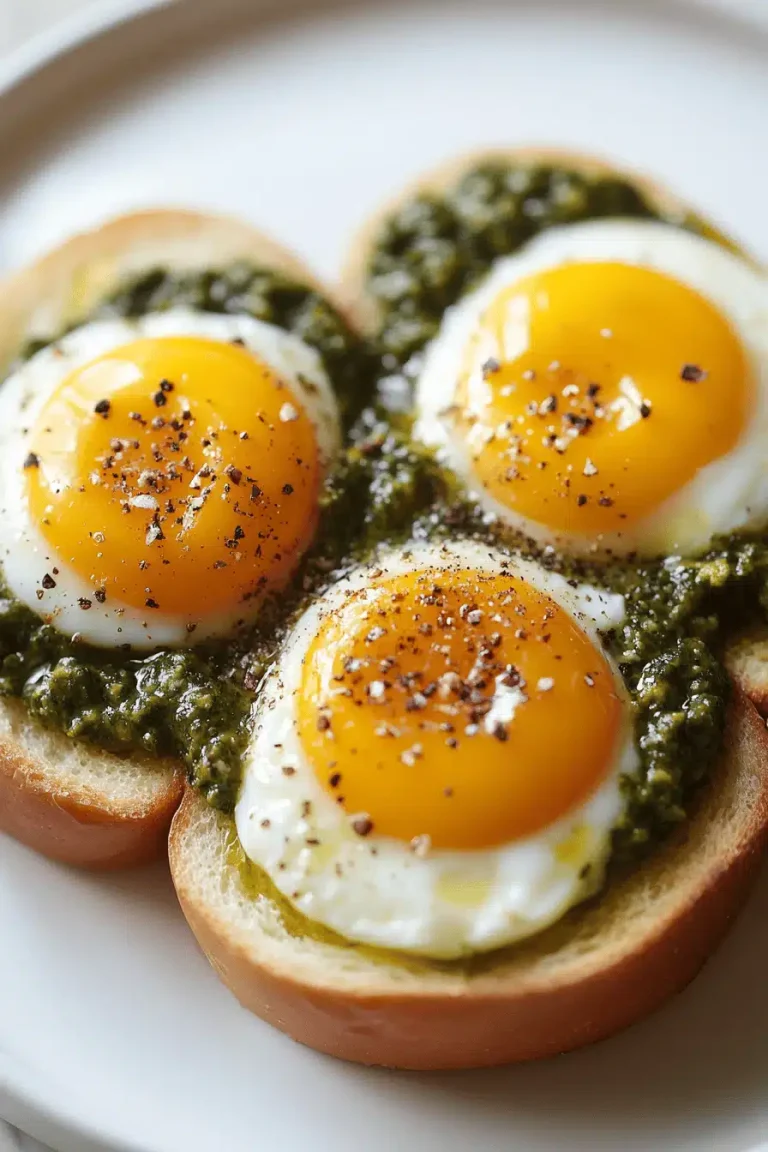
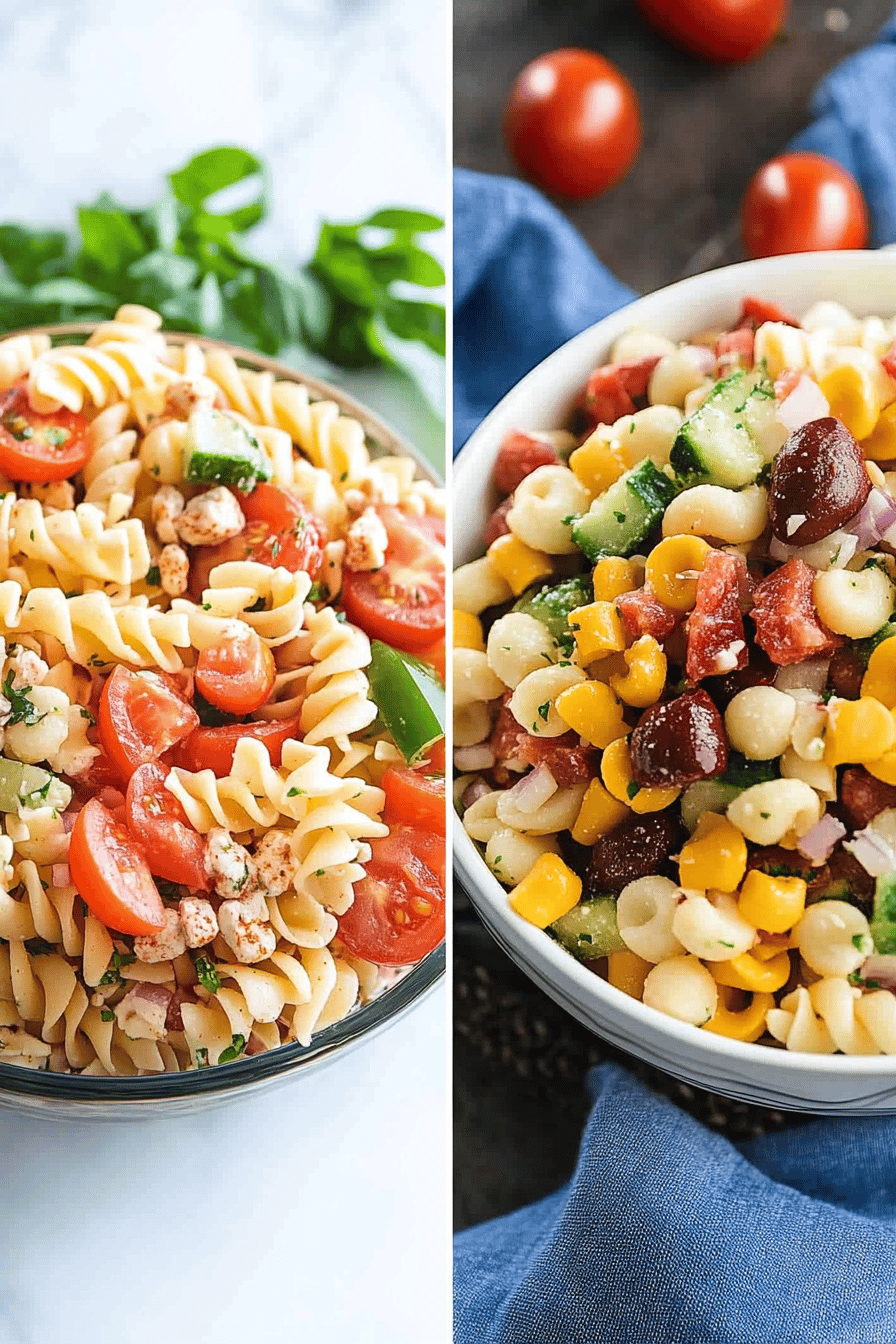
pesto pasta salad

Summer mornings taste like basil and sunshine, and this Pesto Pasta salad somehow manages to taste like both: bright, herb-forward, and reassuringly familiar. I still remember the first time I tossed this together for a potluck and watched it disappear before the deviled eggs did. It’s not fancy, but it’s a mood lifter—simple to make, easy to scale, and absolutely addictive. Think of it as the green cousin to a classic pasta salad: all the tangy lemon, creamy mozzarella, and those little pops of cherry tomato, but with a punch of basil pesto that makes it feel almost like a hug in cold pasta form. This pesto pasta salad is the kind of dish you crave on busy weeknights, and it’s a lifesaver for picnics, potlucks, and backyard barbecues. It’s also incredibly forgiving—swap in what you’ve got, keep the elements you love, and you’ll still land on something delicious every time. I’m spilling all my best tips below, the way I’d share a recipe with a friend over coffee.
What is Pesto Pasta Salad?
Pesto Pasta Salad is a bright, herbaceous take on the classic pasta salad formula. Imagine al dente pasta tossed with vibrant basil pesto, then folded with crunchy vegetables, creamy cheese, and a zippy dressing that keeps everything shining and fresh. The name itself is pretty literal: you’re coating pasta in pesto—usually a blend of basil, pine nuts, Parmesan, garlic, and olive oil—and then tossing in ingredients that balance texture and brightness. It’s essentially pasta, pesto, and a handful of add-ins that make it feel like a complete meal in a bowl. Think of it as a portable summer lunch that tastes equally delicious served cold or at room temperature, which is why it’s landed on my weekly rotation more times than I can count. My favorite part? The pesto doubles as the dressing, so you’re not juggling a separate sauce that sinks to the bottom. It’s all integrated, all flavorful, and all surprisingly easy for weeknight dinners or casual weekend gatherings.
Why you’ll love this recipe?
What I love most about this pesto Pasta Salad is how adaptable it feels while staying reliably delicious. It’s got a flavor profile that’s both comforting and fresh, without requiring you to think too hard or spend hours in the kitchen.
- Flavor: The basil aroma blooms as soon as you lift the lid, and the Parmesan tang from the cheese mingles with the lemony zing of the dressing. The pesto brings a depth that feels creamy even when the dish is served cold.
- Simplicity: You boil the pasta, whisk up a quick dressing, chop a few veggies, and you’re basically done.
- Cost-efficiency: What is the best way to measure cost-efficiency?: This dish leans on pantry staples—pasta, pesto, veggies, and cheese—so you can stretch a dollar while still feeding a crowd. It’s surprising how far a jar of pesto and a block of cheese will take you.
- Versatility: Use whatever greens you have (spinach, arugula, or kale work), swap in mozzarella pearls or feta, add olives or roasted peppers, and you’ll still have a hit. It’s a blank canvas that tastes like it came from a family recipe folder.
- Make-ahead magic: It actually gets better after a little rest in the fridge. If you’ve got time, make it in the morning for a summer picnic, and it’ll taste even brighter by evening.
Texture-wise, I adore how the bite of the pasta plays with crisp vegetables and the soft, melty cheese. The scent alone when you open the fridge—the basil, garlic, and citrus—is enough to summon everyone to the kitchen. It’s a dish my kids actually ask for by name, which is basically the ultimate compliment in my book.
How to Make Pesto Pasta Salad
Quick Overview
This pesto Pasta Salad comes together in just a few simple moves. Boil the pasta until al dente, whip up a bright, lemony dressing with pesto, fold in crisp veggies and cheese, then toss everything with the dressing. A quick chill in the fridge lets the flavors mingle and settle into every noodle. The beauty is in the balance: you want the pesto to coat every strand, but you don’t want it to feel heavy or greasy. Keep the veggies fresh and crunchy, the cheese lightly creamy, and taste as you go—adding a squeeze of lemon or a pinch more salt if needed. It’s deliberately forgiving, so you can improvise with what you’ve got and still land on something delicious.
Ingredients
For the Main Batter:
- 12 oz (340 g) pasta, farfalle or fusilli work beautifully for catching all the goodies
- 3/4 cup basil pesto (store-bought or homemade) – use a robust batch for maximum flavor
- 2–3 tablespoons freshly squeezed lemon juice – a bright lift that keeps everything from tasting flat
- 1–2 tablespoons extra-virgin olive oil (optional, for looseness and shine)
- 1/2 teaspoon kosher salt, plus more to taste
- Freshly ground Black Pepper
- 1 cup cherry tomatoes, halved for a pop of color
For the Filling:
- 1 cup fresh mozzarella pearls, or 8 oz cubed fresh mozzarella
- 1 cup cucumber, diced small
- 1 cup baby arugula or spinach, roughly torn
- 1/2 cup roasted red peppers, sliced
- 1/2 cup black olives, sliced (optional)
- 1/4 cup grated Parmesan or Pecorino for extra bite
For the Glaze:
- 2 tablespoons extra-virgin olive oil
- 1 tablespoon fresh lemon juice
- 1 teaspoon honey or to taste
- Salt and pepper to taste
- Optional: a pinch of red pepper flakes for a gentle kick
Step-by-Step Instructions
Step 1: Preheat & Prep Pan
Fill a large pot with water, salt it generously, and set it to boil. You’re aiming for a lively boil, not a lazy simmer. This is your only real “preheat” in this recipe, and it’s all about getting the pasta to the perfect al dente. While that comes to a boil, prep your veggies: halve those tomatoes, dice the cucumber, and rinse the greens. A crisp, clean mise en place keeps you from hovering over the stove all night.
Step 2: Mix Dry Ingredients
In a small bowl, combine the salt and a few grinds of pepper. If you’re using any additional dry herbs (like a pinch of oregano or a tiny bit of garlic powder), whisk them in here. Dry ingredients are your baseline flavor; you want them to distribute evenly, so nothing tastes dull from one bite to the next.
Step 3: Mix Wet Ingredients
In another bowl, whisk together the basil pesto, lemon juice, and olive oil. The lemon helps keep the basil brightness up, and the oil gives the dressing a glossy, clingy mouthfeel. If your pesto is thick, you can loosen it with a tablespoon or two of the pasta cooking water—this is a little trick I learned after years of sauce-slinging in a tiny kitchen.
Step 4: Combine
Drop the pasta into the boiling water and cook until just shy of labeled al dente. Reserve about a half-cup of the pasta water, then drain. Return the pasta to the pot and tumble in the pesto-lemon mixture. If it seems a bit stiff, splash in a little pasta water to loosen and help everything cling to the strands. This is where the magic happens—the noodles glisten with that herby, bright sauce.
Step 5: Prepare Filling
While the pasta’s still warm, fold in the filling ingredients: mozzarella, cucumber, tomatoes, arugula or spinach, and roasted peppers. The warmth will help the cheese soften just enough, creating little pockets of melty goodness without turning everything into a puddle. Taste as you go and adjust with a pinch more salt or a squeeze of lemon if you like your salad zippy.
Step 6: Layer & Swirl
If you’re saving some bright greens or cheese bits for topping, hold them back and fold them in toward the end. A quick swirl here, a gentle toss there, and you’re building layers of flavor. Visually, aim for a little marbling of pesto through the pasta, but don’t overwork it—the beauty of this dish is that every bite feels like a little celebration of color and texture.
Step 7: Bake
This version doesn’t require baking, and that’s part of what makes it truly weeknight-friendly. However, if you want a roasted vegetable boost, you can toss some zucchini slices or bell peppers with a touch of oil and salt and roast at 425°F (220°C) for about 12–15 minutes. Add them to the salad after they’ve cooled. If you prefer to keep it strictly no-bake, simply skip this step and enjoy the crisp, fresh texture as is.
Step 8: Cool & Glaze
Let the salad rest for 20–30 minutes in the fridge to let the flavors mingle. When you’re ready to serve, whisk together the glaze ingredients and drizzle lightly over the top. The glaze is optional but delightful, adding a citrusy sheen that makes the dish feel extra polished. If you’re serving next-day, you can keep the glaze separate and toss just before serving to preserve that bright appearance and texture.
Step 9: Slice & Serve
Give the pasta a final toss, taste for seasoning, and plate it up. A handful of fresh mozzarella pearls on top looks pretty and tastes dreamy when you bite into them. Garnish with a final leaf of arugula or a few extra cherry tomatoes for a fresh pop of color. Serve chilled or at room temperature; it holds beautifully, and the flavors deepen with time. This pesto pasta salad loves a sunny plate and a simple crusty loaf on the side.
What to Serve It With
Figuring out sides that play nicely with pesto pasta salad is part of the fun. Here are a few ideas that elevate the meal without turning it into a big production:
For Breakfast: A light morning loaf with butter, plus a citrusy iced coffee. The brightness of the salad pairs surprisingly well with a soft, warm breakfast pastry, especially when you want something heartier but not heavy.
For Brunch: Consider a simple antipasto board with marinated olives, roasted peppers, and sliced baguette. A chilled sparkling beverage or a light white wine (if you’re into that) keeps the mood celebratory without overdoing it.
As Dessert: Not a typical pairing, but a light fruit salad or citrus yogurt parfait after this savory dish can feel like a refreshing finish—clean, bright, and not too sweet.
For Cozy Snacks: Serve with extra veggie dippers—carrot sticks, cucumber rounds, and bell pepper strips. It’s the kind of snack that quiets a crowd and keeps conversation flowing while you all munch together.
In our family, this has become a go-to “what should we bring” dish. It travels well, feeds a crowd, and always looks Instagram-ready in a big glass bowl. My kids love it because the mozzarella pearls look like little cheese islands you can pluck out, and you’ll often hear, “This tastes fancy, Mom,” which is basically the highest praise a busy parent can receive.
Top Tips for Perfecting Your Pesto Pasta Salad
Here are a handful of practical, battle-tested tips that keep this dish consistently delicious, even when you’re juggling a million other things:
Pasta Prep: Cook the pasta a touch under, so it still has bite once the pesto coats it. If it gets overcooked, it can turn mushy after chilling. Save the pasta water; you’ll thank me when you’re tossing everything together and need a little emulsion magic.
Pesto Freshness: If you’re making pesto from scratch, use fresh basil as the star and don’t overblend the cheese in. A little texture from the pine nuts and leaves goes a long way. If you’re using store-bought pesto, taste first and adjust with a squeeze of lemon and a splash of olive oil to brighten it.
Veg Crunch & Texture: Add vegetables with different textures for interest: crisp cucumbers, juicy cherry tomatoes, and leafy greens that wilt just enough to mingle with the sauce. Don’t over-dress—you want the salad to stay vibrant, not soggy.
Dressing Balance: The glaze is optional but fun for a glossy finish. Keep it light and tangy; it’s easy to add more later if people want a punchier bite. If you’re watching salt, add a little at a time and taste as you go.
Ingredient Swaps: Swap in feta or mozzarella balls for a different cheese vibe. Add olives for a briny kick, or roasted asparagus for spring sweetness. The pesto pasta salad is forgiving, so feel free to improvise with a 1:1 substitution ratio if needed.
Baking Tips: In case you crave a warm version, a quick roast of veggies can add depth. If you go that route, toss the warm veggies with the pasta and pesto, then chill. The flavors meld beautifully when the mixture rests.
Glaze Variations: A lemon-honey glaze adds brightness; a balsamic drizzle adds a touch of sweetness and acidity. You can also skip the glaze entirely if you prefer the clean, pure taste of the basil and cheese.
I’ve learned a lot from making this countless times: the order of adding ingredients matters for texture, the timing of chilling changes the bite, and a little acidity goes a long way to brighten everything up without masking the pesto. If you’re short on time, you can skip the roasted veggies and still land on something delicious—the core trio of pasta, pesto, and mozzarella never fails.
Storing and Reheating Tips
Storing this pesto pasta salad is easy, and it travels well. Here are practical guidelines that keep the flavors bright and the texture just right:
Room Temperature: It’s best not to leave this out for more than 2 hours. If you’re taking it to a picnic, keep it in a cooler or insulated container until serving time.
Refrigerator Storage: Store in an airtight container for up to 3–4 days. The flavors become more cohesive with a little rest, so you can prep ahead and enjoy later in the week.
Freezer Instructions: I don’t recommend freezing this salad, since pasta and cheese can become a bit grainy after thawing. It’s best enjoyed fresh or within a few days of making it.
Glaze Timing Advice: If you plan to glaze, keep the glaze separate and add just before serving if you’re storing the salad. The glaze can soften the texture if it sits overnight, so it’s nice to apply fresh for the best shine and balance.
When reheating, you’re not really reheating this dish in the traditional sense; you’re refreshing it. A quick 15-minute chill in the fridge will soften and blend the flavors nicely, and a quick toss before serving helps re-emulsify any dressing that separated.
Frequently Asked Questions
Final Thoughts
If you’re in the mood for a dish that tastes like it came from a kitchen full of family memory but still fits into a busy week, this pesto pasta salad is your best friend. It’s the kind of recipe that invites you to improvise, to lean on what you already have, and to trust your palate. The basil, lemon, and cheese create a lively trio that keeps every bite interesting, while the vegetables bring crunch and color that make the plate feel like a celebration. I’ve practically watched this dish morph with the seasons—the tomatoes in summer, roasted peppers in shoulder season, a handful of arugula for a peppery bite in spring. It’s a dish that travels well, stays bright, and never feels heavy. If you try it, tell me what you swapped in or what you loved most about it. I can’t wait to hear your variations. Happy cooking, friends, and enjoy your pesto pasta salad abundance!

Pesto Pasta Salad
Ingredients
Pasta and Pesto
- 0.5 pound Pasta Rotini or fusilli work well
- 1.5 cup Fresh Basil Leaves
- 0.5 cup Pine Nuts Toasted
- 2 cloves Garlic
- 0.5 cup Parmesan Cheese Grated
- 0.33 cup Olive Oil
- Salt To taste
- Black Pepper To taste
Add-ins
- 1 cup Cherry Tomatoes Halved
- 8 ounce Fresh Mozzarella Balls Halved or quartered
- 0.5 cup Kalamata Olives Pitted and halved
Instructions
Preparation Steps
- Cook pasta according to package directions until al dente. Drain and rinse with cold water to cool.0.5 pound Pasta
- While the pasta is cooking, prepare the pesto. In a food processor, combine basil, pine nuts, garlic, and Parmesan cheese.0.5 pound Pasta
- With the food processor running, slowly drizzle in the olive oil until the pesto is smooth. Season with salt and pepper to taste.0.5 pound Pasta
- In a large bowl, combine the cooled pasta, pesto, cherry tomatoes, mozzarella balls, and olives.0.5 pound Pasta
- Toss gently to combine everything. Taste and adjust seasoning if needed. Serve immediately or chill for later.