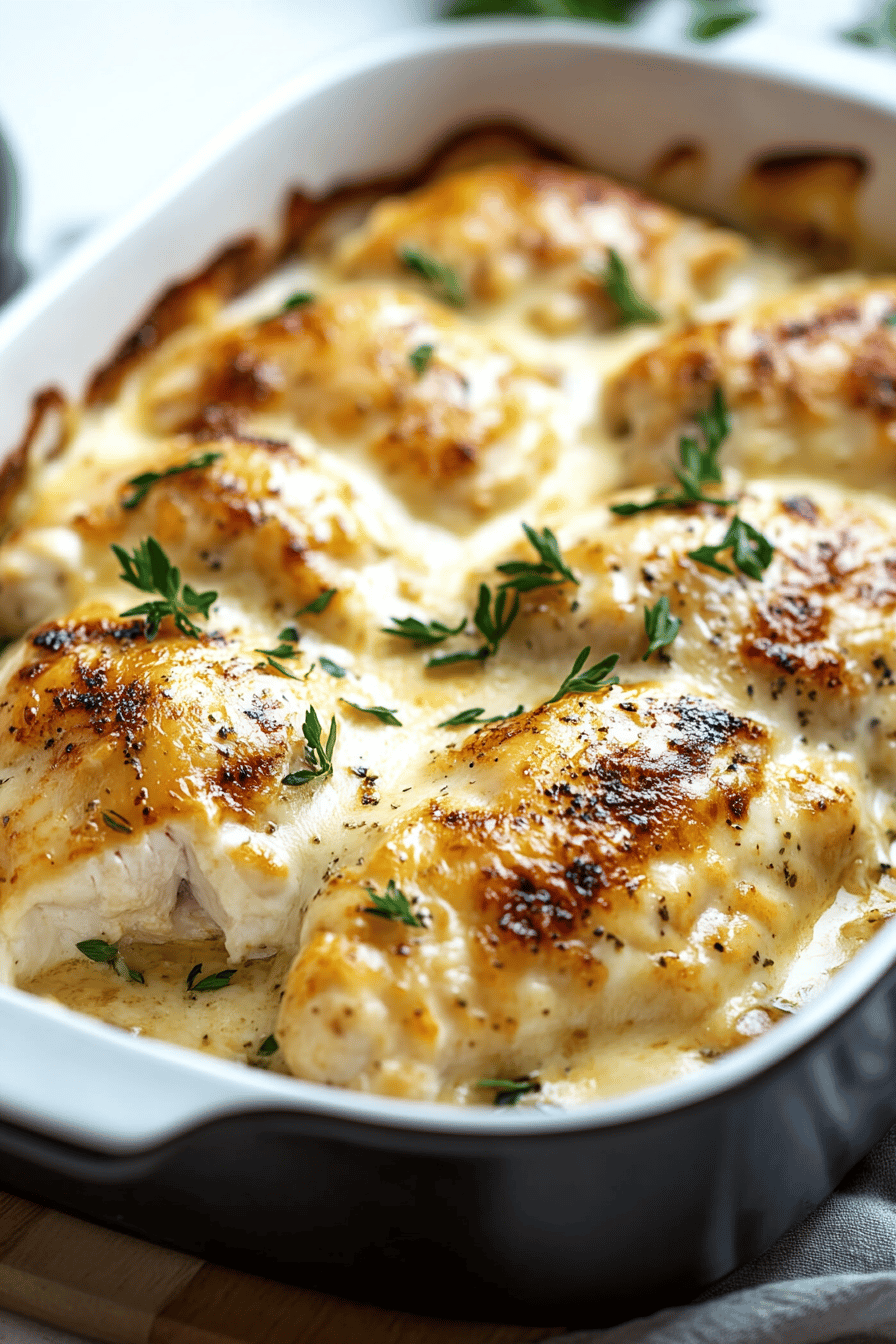
Pasta Goat Cheese Chicken

The smell hits me the moment I open the fridge: garlic sizzling in Olive Oil, a splash of lemon, and that familiar tang of goat cheese melting into a creamy dream. I’ve been making Pasta Goat Cheese Chicken for years, and every time it feels like a hug in a skillet. This one’s a lifesaver on busy nights—no fuss, just real flavor that tastes like you spent hours in the kitchen. My kids actually ask for seconds, and honestly, I’m not mad about that. It’s the kind of weeknight dish that somehow feels special without requiring a marathon of steps. I often compare it to a fancy pasta alfredo, but with a brighter note and a subtle tang from goat cheese that makes the sauce cling to every noodle. If you’re craving comfort with a little twist, this one’s for you.

What is Pasta Goat Cheese Chicken?
Think of Pasta Goat Cheese Chicken as a hearty, creamy pasta dish where a silky goat cheese sauce and tender pan-seared chicken come together with your favorite pasta. It’s essentially a short-cut version of a cozy, restaurant-style plate you’d order on a Saturday—but you get to call the shots at home. The goat cheese adds a tangy, lusciously smooth texture, while garlic, lemon, and a handful of greens keep things bright. It’s not a heavy sauce if you balance with pasta water and parmesan, and the chicken adds substance so you’re not left wanting more. I call it “weeknight elegance” because you can get a lush, comforting bite in under 30 minutes if you move with purpose. This is Pasta Goat Cheese Chicken in its truest form: simple ingredients, big personality, and a dish your whole family will request again and again.
Why you’ll love this recipe?
What I love most about Pasta Goat Cheese Chicken is how forgiving it is. You can toss in a handful of spinach or sun-dried tomatoes for color and a little sweetness, and the dish still shines. It’s incredibly flavorful without needing fancy techniques, which makes it perfect for busy weeknights or lazy Sundays when you want something special with minimal effort. The sauce is creamy and clingy, thanks to the goat cheese and a splash of starchy pasta water, but it doesn’t sit heavy on the palate. Budget-wise, it’s friendly too: pantry staples like pasta, garlic, and goat cheese turn into a luxe-tasting dinner without breaking the bank. And if you’re feeding a crowd, it scales up beautifully—just tuck a simple side salad in and you’re golden. What I love most about this recipe is its versatility: swap in different greens, add a squeeze of lemon at the end, or swap chicken for turkey or sausage depending on what’s in the fridge. This dish has become a dependable staple in my kitchen, and I suspect it will be in yours too.
How do I make Pasta Goat Cheese Chicken?
Quick Overview
This dish comes together with three simple moves: sear the chicken until golden, melt goat cheese into a bright garlic-lemon sauce, and toss it all with al dente pasta and a bit of reserved cooking water to create a glossy, silky finish. It’s a smart sequence—the chicken flavors the sauce, the sauce sticks to every noodle, and the finish is so glossy you’ll swear you spent an hour slaving over the stove. If you’re pressed for time, you can skip the stuffing or extra toppings and rely on the creamy goat cheese base to carry the dish. The result is a restaurant-worthy plate that feels indulgent but comes together in a snap, which is exactly the kind of meal I reach for when I want warmth and comfort without the chaos.
Ingredients
For the Main Batter:
- 1 1/2 pounds boneless skinless Chicken Breasts, pounded to even thickness
- 2 large eggs, whisked (for a light coating that helps browning)
- 1/2 cup breadcrumbs (panko for extra crunch, optional)
- 1 teaspoon garlic powder
- Salt and pepper, to taste
- 2 tablespoons olive oil (for searing)
For the Filling:
- 4 ounces goat cheese, softened
- 2 tablespoons chopped fresh chives or parsley
- 1/2 teaspoon lemon zest
- Salt and pepper, to taste
- Optional: a handful of baby spinach finely chopped
For the Glaze:
- 3/4 cup heavy cream or full-fat half-and-half
- 1/2 cup grated parmesan or pecorino
- 2–3 cloves garlic, minced
- 1 tablespoon lemon juice, plus zest to taste
- Salt and pepper, to taste
- Extra goat cheese, to crumble over when serving (optional)
Step-by-Step Instructions
Step 1: Preheat & Prep Pan
Heat a large skillet over medium-high and drizzle in Olive Oil. While the pan warms, pound the chicken to an even thickness—you’ll notice it cooks more evenly and stays juicy. Season well with salt and pepper. This is the moment where I tell myself, “This is going to be delicious,” because the scent of seasoned chicken hitting hot oil never fails to boost my mood.
Step 2: Mix Dry Ingredients
In a shallow dish, mix breadcrumbs with garlic powder, a pinch of salt, and pepper. This dry mix will give the chicken a light, crunchy exterior when it hits the pan. I’ve learned the hard way to avoid overcrowding the pan—work in batches if you need to—so every piece browns and stays juicy inside.
Step 3: Mix Wet Ingredients
Beat the eggs in a separate shallow bowl. This is your coating binder—dip each chicken piece in the egg wash, then roll in breadcrumbs. The combo gives you a gentle crust that doesn’t overpower the sauce you’ll whip up later. If you’re skipping the crust, you can just sear the chicken as-is for a quicker version.
Step 4: Combine
In the same hot skillet, sear the chicken until the crust is golden and the center reads 165°F (74°C). Remove and set aside to rest briefly. The goal here is a fast, shallow sear that locks in juices, not a deep fry—keep the heat steady and give each piece equal attention.
Step 5: Prepare Filling
Stir together the softened goat cheese, chopped herbs, and lemon zest. If you’re adding spinach, fold it in now so it wilts just enough. This cheese filling is the subtle star of the dish; it’s what makes the sauce feel luxe without needing extra butter. If you’re short on time, you can simply crumble a bit more goat cheese into the sauce later for that tangy bite.
Step 6: Layer & Swirl
When the chicken is rested, slice it into thick medallions or leave it whole—your call. Return the chicken to the pan and pour in the glaze ingredients: cream, grated parmesan, garlic, lemon juice. Stir gently to avoid breaking the chicken, then let the mixture simmer until it’s silky and slightly thickened. The idea is to create a creamy, glossy sauce that clings to the pasta and wraps the chicken in warmth.
Step 7: Bake
Preheat your oven to 375°F (190°C). If you like a more cohesive bake, transfer the sauced chicken and pasta to a casserole dish, dot with extra goat cheese, and bake for 12–15 minutes until bubbly and fragrant. This step isn’t strictly necessary, but it gives you a beautiful finish and helps meld flavors together. If you’re short on time, just keep the pan on the stove and simmer until the sauce thickens and coats the noodles evenly—your choice, your pace.
Step 8: Cool & Glaze
Once out of the oven, let the dish rest for a few minutes. This helps the sauce set a touch and makes the dish easier to portion. A final drizzle of lemon and a few shavings of parmesan brighten the plate and give you a clean finish—trust me, a tiny citrus note can elevate the goat cheese to new heights.
Step 9: Slice & Serve
Plate the pasta with generous scoops of the creamy sauce and pieces of chicken. Crumble a little goat cheese on top if you like, and add a final crack of pepper. I like a handful of chopped parsley for color. This is where the kitchen smells like a cozy evening and everyone starts asking for seconds. Serve hot, with a side of crusty bread to capture every bit of that luscious sauce.
What to Serve It With
This dish already feels indulgent, but a few thoughtful sides can heighten the experience without stealing the show from the star. Here are my go-tos, organized by occasion:
For Breakfast: A light, citrusy salad with arugula and orange segments makes a surprising but delightful accompaniment. The brightness wakes up the palate before the richness hits, and a tiny sprinkle of chili flakes on your greens adds a playful kick alongside your Pasta Goat Cheese Chicken.
For Brunch: A crisp white wine or sparkling water with a lemon twist pairs beautifully. Plate the pasta in shallow bowls with a side of roasted cherry tomatoes and olives for color and a pop of acidity.
As Dinner: Serve with a simple green salad and Garlic Bread. The bread is essential for sopping up the creamy sauce, and a quick caesar or caprese can round out the meal neatly.
For Cozy Snacks: Keep it casual with a big bowl of sautéed spinach and a platter of prosciutto-Wrapped Asparagus. A glass of white wine or a cold beer keeps the mood relaxed while you chat about the day.
One of the things I’ve learned is that this dish shines when served piping hot. The moment you plate it, you should still hear a gentle sizzle as the sauce loosens and coats the pasta. It’s not just dinner; it’s a little celebration of the everyday kitchen, a reminder that comfort and sophistication can share the same plate.
Top Tips for Perfecting Your Pasta Goat Cheese Chicken
[Expert advice organized by technique:]
Zucchini Prep: If you want to add a summer-green touch, grate a small zucchini and squeeze out the moisture with a clean towel before stirring it into the goat cheese filling. The moisture release keeps the filling light, and you’ll notice the extra vegetable flavor without making the dish soggy.
Mixing Advice: Don’t overwork the sauce once you add the cheese. You want it silky, not grainy. If it looks a little tight, splash in a bit more pasta water—the starchiness will help emulsify the sauce and loosen it to a glossy finish.
Swirl Customization: For a marbled look, reserve a small amount of the sauce before mixing with the pasta and drizzle it over the top at the end. A quick swirl adds visual appeal and an extra hit of goat cheese tang.
Ingredient Swaps: Crumbled feta or ricotta can substitute for goat cheese in a pinch, but you’ll lose that signature tang. If you’re dairy-free, try a cashew cream with lemon and nutritional yeast to mimic the brightness; it won’t be exact, but it’s a tasty alternative.
Baking Tips: If you prefer a crisp edge on the top, broil for a minute or two at the end. Keep a close eye so you don’t burn the cheese. Oven positions can vary, so if your oven runs hot, drop the temperature by 25°F (about 15°C) and extend the bake a touch to avoid drying out the sauce.
Glaze Variations: Swap in a splash of white wine for part of the cream for a lighter finish, or add a pinch of chili flakes for a gentle heat. A squeeze of lemon right before serving brightens everything beautifully.
These tips come from countless trials in my kitchen. I learned to respect the goat cheese’s tang, to let the pasta water do some of the heavy lifting, and to keep the chicken succulent with a quick sear and a gentle simmer in the sauce. The result is a balanced, deeply comforting dish that still feels bright and fresh. Trust me on this one—the more you tweak, the more you’ll discover little personal touches that make Pasta Goat Cheese Chicken uniquely yours.
Storing and Reheating Tips
Here are my best practices for keeping leftovers delicious and safe to eat:
Room Temperature: Leftovers can sit out for up to two hours, but I prefer refrigerating as soon as meals have cooled slightly. Cover with a loose lid or plastic wrap to prevent a dry top layer from forming.
Refrigerator Storage: Store in an airtight container for up to 3 days. The sauce may thicken a bit in the fridge; whisk in a splash of warm pasta water or more cream when reheating to loosen it back to creamy perfection.
Freezer Instructions: This dish doesn’t freeze as beautifully as some others because of the dairy component; if you must freeze, cool completely, portion into freezer-safe containers, and use within 2 months. Thaw overnight in the fridge and reheat gently on the stove with a splash of extra cream or milk to restore texture.
Glaze Timing Advice: If you plan to freeze, skip the glaze on the initial cook and add a fresh drizzle after reheating. The glaze tends to separate when frozen and thawed, so a quick finish in the pan keeps things lush and cohesive.
In my kitchen, leftovers are a test of the recipe’s resilience. If the texture holds, you know you’ve got a good thing going. If the sauce thickens or clumps, a little extra cream or a splash of pasta water will bring it back to life. This dish travels well in a lunchbox, too—just reheat gently so the pasta doesn’t turn to mush.
Frequently Asked Questions
Final Thoughts
There’s something deeply comforting about Pasta Goat Cheese Chicken. It’s a dish that travels well—from busy weeknights to lazy Sundays, it feels special without demanding all your attention. The goat cheese brings a gentle tang that elevates the sauce, and the chicken adds heartiness that makes a single bowl feel like a complete meal. If you’re cooking along with a friend or family member, this is the recipe to share—one person sears the chicken, the other stirs the sauce, and together you create something that smells like home. If you try it, I’d love to hear what you changed—maybe you swapped spinach for arugula, or added sun-dried tomatoes for a pop of color. You’re part of my kitchen now, and I can’t wait to hear about your own spin on Pasta Goat Cheese Chicken. Happy cooking!

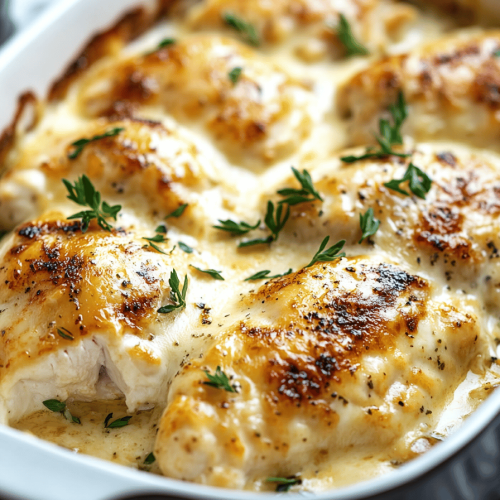
Pasta Goat Cheese Chicken
Ingredients
Main Ingredients
- 0.5 pound pasta such as penne or fettuccine
- 1 pound boneless, skinless chicken breasts cut into bite-sized pieces
- 1 tablespoon olive oil
- 0.5 cup goat cheese crumbled
- 0.5 pound asparagus trimmed and cut into 1-inch pieces
- 0.5 cup mushrooms sliced
- 2 cloves garlic minced
- 0.5 cup chicken broth
- 0.25 cup heavy cream
- 0.25 cup grated Parmesan cheese
- salt to taste
- black pepper to taste
- fresh parsley chopped, for garnish
Instructions
Preparation Steps
- Cook pasta according to package directions. Reserve about 1/2 cup of pasta water before draining.
- While pasta is cooking, heat olive oil in a large skillet over medium-high heat. Add chicken and cook until browned and cooked through, about 5-7 minutes. Remove chicken from skillet and set aside.0.5 pound pasta
- Add asparagus and mushrooms to the same skillet. Cook until tender-crisp, about 5 minutes.0.5 pound pasta
- Add minced garlic and cook for 1 minute until fragrant.0.5 pound pasta
- Pour in chicken broth and heavy cream. Bring to a simmer and cook for a few minutes until slightly thickened.0.5 pound pasta
- Stir in the crumbled goat cheese and Parmesan cheese until melted and the sauce is creamy.0.5 pound pasta
- Return the cooked chicken to the skillet. Add the drained pasta and toss to combine. If the sauce is too thick, add a little reserved pasta water until desired consistency is reached.0.5 pound pasta
- Season with salt and pepper to taste.0.5 pound pasta
- Garnish with fresh chopped parsley before serving.0.5 pound pasta