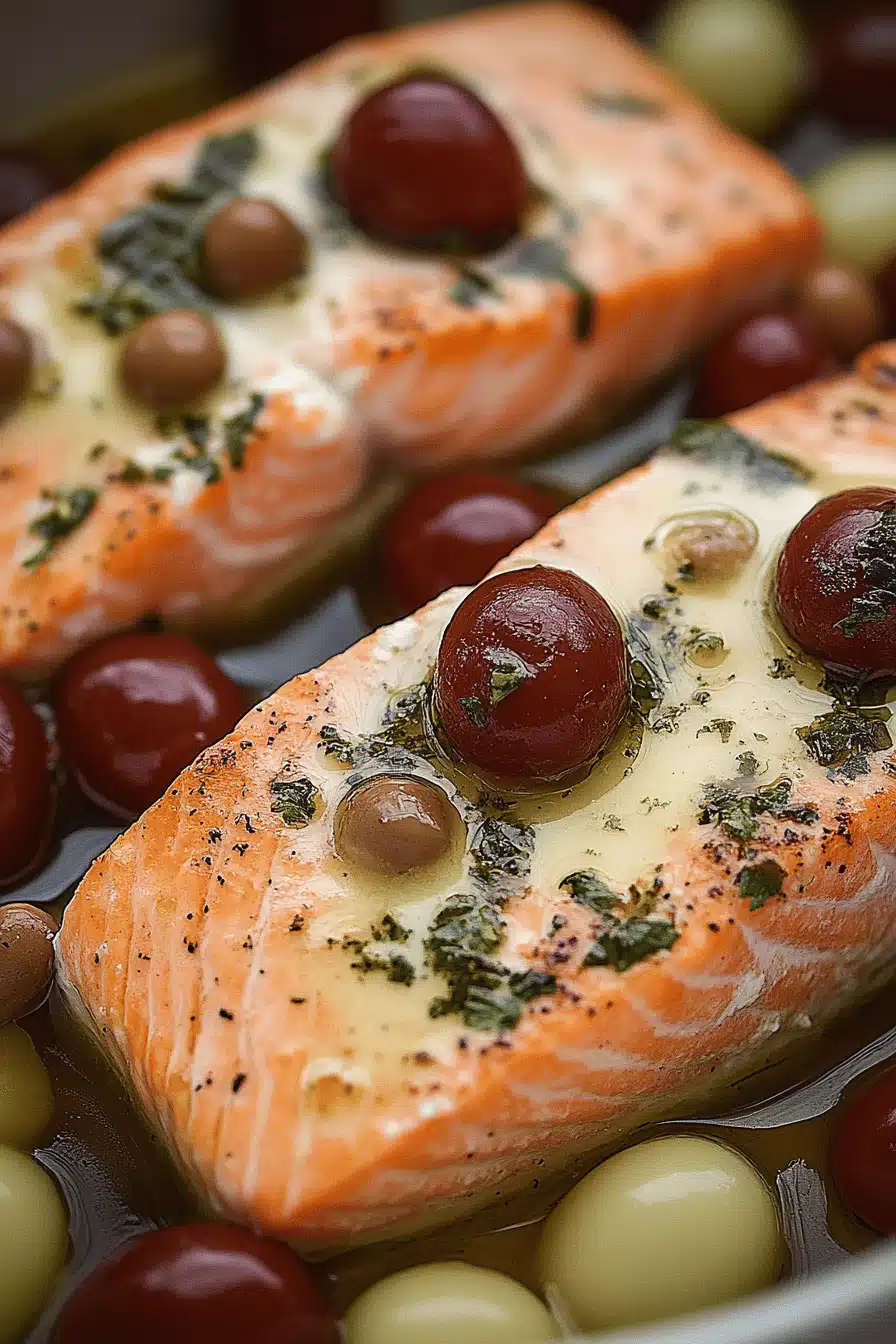
Mediterranean Salmon Bowl

I still remember the first time I turned a haphazard weeknight into a bright, sunlit supper with nothing more than a skillet, some lemon, and a craving for something fresh. The kitchen smelled like a vacation—garlic sizzling in Olive Oil, herbs waking up, olives glinting like little jewels. That moment wasn’t about fancy technique; it was about layering textures and flavors until a single bowl could transport us to a breezy Mediterranean coast. This Mediterranean Salmon Bowl became my go-to for busy nights—and a little celebration for weekends, too. It’s incredible in flavor, surprisingly quick, and endlessly forgiving: you can swap in quinoa for rice, add avocado if you’re feeling indulgent, or toss in a handful of cherry tomatoes if you’ve got them. I’ve fed this to friends who claimed they “don’t like salmon,” and they walked away asking for seconds. The key is in the brightness—lemon, herbs, crisp cucumber, salty feta—and in how the salmon stays tender and juicy, even when you’re juggling a dozen tiny tasks at once. This is the kind of dish that disappears in minutes at my house, and it never fails to make everyone ask for the exact recipe.
What is the Mediterranean Salmon Bowl?
Think of the Mediterranean Salmon Bowl as a soulful, all-in-one meal: a protein-packed salmon fillet perched atop a bed of fluffy grains, crisp vegetables, and a zippy herb-lemon dressing or glaze. It’s essentially a deconstructed Mediterranean plate—think quinoa or couscous, cucumber, tomatoes, olives, feta, and herbs—pulled together with a bright, tangy drizzle. The name says it all: it blends sun-drenched flavors from Olive Oil, lemon, oregano, and garlic with the clean, light flavors of salmon. It’s not a heavy dish; it’s a vibrant, balanced bowl you can whip up any night of the week. My kids actually ask for this all the time, especially after a long day when they want something comforting but not heavy. The best part is how flexible it is—you can swap grains, switch up the toppings, and tailor the glaze to what’s in your fridge, and you’ll still land on something wonderfully Mediterranean in spirit and taste.
Why you’ll love this recipe?
What I love most about the Mediterranean Salmon Bowl is how it delivers big flavor with practical, everyday ingredients. It’s a lifesaver on busy nights because you can prep the components ahead or improvise with what you have on hand. The Salmon Bowl’s flavor profile is bright and clean—zest from lemon, herbal notes from parsley and oregano, a salty kiss from feta and olives, and a creamy tang from a yogurt-tahini glaze that clings to the salmon and softens into the grains. It’s not just tasty; it’s nourishing in a way that feels like a hug with a citrusy punch. The simplicity is deceptive: you don’t need a dozen spices or a fancy pantry to pull it off. Budget-friendly pantry staples like quinoa, cucumbers, tomatoes, chickpeas, and canned olives come together for a dish that’s as economical as it is impressive. And because you can customize with different toppings, this Mediterranean Salmon Bowl keeps surprising me—the kids’ favorite variant has extra cucumber ribbons and a dollop of yogurt; my partner prefers extra olives and a touch more lemon. It’s versatile, reliable, and repeatedly proven to satisfy a crowd.
How do I make a Mediterranean Salmon Bowl?
Quick Overview
The quick path to a stunning Mediterranean Salmon Bowl starts with a quick marinade for salmon, while grains cook and veggies get chopped. You’ll pan-sear the salmon until the edges are lightly crisp and the centers stay juicy, then assemble a mosaic of quinoa or farro, cucumber, tomatoes, olives, and feta. A vibrant lemon-herb glaze or yogurt-tahini drizzle ties everything together, giving the bowl a bright, cohesive finish. The beauty of this method is flexibility: you can swap in oats or barley for the grain, skip the glaze if you want something lighter, or add avocado for extra creaminess. It’s a one-pan easy weeknight hero with a wow-factor presentation that makes weeknights feel like a little celebration.
Ingredients
For the Main Marinade:
- 4 salmon fillets (6 oz each), skin on or off depending on preference
- 2 tablespoons extra-virgin olive oil
- Juice of 1 lemon
- 2 garlic cloves, finely minced
- 1 teaspoon dried oregano (or a mix of oregano and thyme)
- Salt and pepper, to taste
- Optional: a pinch of red pepper flakes for a gentle kick
For the Filling:
- 1 cup quinoa (rinsed) or your favorite grain (bulgur, farro, or brown rice work well)
- 2 cups water or broth for cooking quinoa
- 1 cucumber, diced or sliced into ribbons
- 1 cup cherry tomatoes, halved
- 1/2 cup Kalamata olives, pitted and halved
- 1/2 cup feta cheese, crumbled
- 1/2 red onion, thinly sliced (optional but lovely)
- A handful of fresh parsley and mint, chopped
For the Glaze / Dressing:
- 1/2 cup Greek yogurt or full-fat yogurt (for a creamier glaze) or tahini for a dairy-free vibe
- 2 tablespoons lemon juice
- 1 tablespoon extra-virgin olive oil
- 1 garlic clove, grated or finely minced
- Salt to taste
- Water to adjust consistency (about 1–2 tablespoons)
- Optional: a teaspoon of honey or maple syrup if you like a touch of sweetness
Step-by-Step Instructions
Step 1: Preheat & Prep Pan
Preheat a skillet over medium-high heat. Pat the salmon dry with a clean kitchen towel—this is the little trick that helps get a crisp edge. Salt lightly, then brush with a smear of Olive Oil. If you’re skin-on, let the skin crisp up first by placing the fillets skin-side down in the hot pan and cooking for about 3–4 minutes before flipping.
Step 2: Mix Dry Ingredients
In a small bowl, whisk together oregano, salt, pepper, and a pinch of red pepper flakes if you want a gentle zing. This dry mix is your flavor compass for the salmon and will make your kitchen smell amazing.
Step 3: Mix Wet Ingredients
In another bowl, combine olive oil, lemon juice, and minced garlic. This is your bright, citrusy base that will permeate both the salmon and the grain bowl. If you’re using yogurt glaze, whisk in the yogurt (or tahini) here and thin with a touch of water as needed.
Step 4: Combine
Brush or brush-dip the salmon into the lemon-garlic oil, then sprinkle the dry mix over the fillets. The heat from the pan will wake up the herbs and create a delicious crust as the salmon sizzles. Meanwhile, rinse quinoa well and set it to simmer in salted water or broth—you want it fluffy and tender, not gluey.
Step 5: Prepare Filling
While the salmon cooks, rinse and prepare your bowl components. Chop cucumber, halve tomatoes, crumble feta, and roughly chop herbs. If you’re using quinoa, fluff it with a fork once cooked and season with a pinch more salt and a drizzle of olive oil.
Step 6: Layer & Swirl
Spread a bed of grain in each bowl. Top with cucumber and tomato, olives, red onion, and a scattering of herbs. Place the salmon on top, skin-side down if you kept the skin. Drizzle with the glaze and a final squeeze of lemon. If you’re into swirls, whisk a little extra yogurt with lemon and olive oil and drizzle in a zigzag pattern for a pretty, restaurant-worthy finish.
Step 7: Bake
If your salmon isn’t fully cooked from the skillet, finish it in a 375°F (190°C) oven for 3–5 minutes until it flakes easily. The key is to avoid overcooking; you want the center tender and moist, not dry and crumbly.
Step 8: Cool & Glaze
If you’ve used a glaze, let the salmon rest for a minute or two before slicing. That little rest helps the juices redistribute. If you’ve opted for a yogurt-tahini glaze, give it a quick stir and adjust with water until it’s pourable but still thick enough to cling to the salmon and grains.
Step 9: Slice & Serve
Cut the salmon into generous portions and nestle them over the grain and veggie bed. Spoon a little extra glaze over the top, crumble a few more olives, and finish with a crack of Black Pepper and a final spritz of lemon. This Mediterranean Salmon Bowl is ready to go, your kitchen smelling like a sunny afternoon by the sea.
What to Serve It With
This bowl shines on its own, but there are plenty of delicious accompaniments and variations to consider, depending on the moment.
For Breakfast: If you’re starting the day with a savory, Mediterranean twist, try rethinking the bowl with warm, fluffy polenta or quinoa porridge as your base, topped with smoked salmon shreds, cucumber ribbons, and a soft-cried egg. A dollop of yogurt keeps it bright, and a little feta on top adds that familiar tang you crave. A small glass of mint tea or a bold espresso pairs beautifully with the salty-savory notes.
For Brunch: Make batch-cooked quinoa or farro and set up toppings in little bowls: chopped tomatoes, olives, cucumber ribbons, crumbled feta, and a tray of lemon wedges. Guests can customize their Mediterranean Salmon Bowls, making it feel festive without being fussy. A crisp white wine or sparkling rosé enhances the citrusy olive-oil aroma wafting from the bowl.
As Dessert: I know this sounds odd, but a small tasting plate of citrus, olive oil cake, and Almond Cookies pairs surprisingly well with the flavors in this bowl—especially if you’re serving simply as a light, Mediterranean-inspired tasting menu. It creates a balance between bright acidity and a gentle, nutty sweetness that lingers on the palate.
For Cozy Snacks: Pack leftovers into a mason jar with a lid for a simple, on-the-go lunch or a hearty snack. A scoop of hummus on the side, pita triangles for dipping, or chickpeas roasted with paprika give the meal more crunch and contrast. My family loves grabbing these bowls straight from the fridge and taking them to the couch during a lazy Sunday movie.
Top Tips for Perfecting Your Mediterranean Salmon Bowl
Here are a few tricks I’ve learned after making this countless times. They’re small adjustments, but they make a big difference in how the dish comes together and how long it stays delicious.
Salmon Prep: Dry the fillets well. This is the step that makes the skin crisp or the surface of the salmon look glossy instead of steamed. If you’re pan-seARING, start with a hot pan and a little oil; you want a fast sear to lock in juices. If you prefer skinless, it still works beautifully; you’ll just want to flip once and keep an eye on doneness.
Grain & Filling: Rinse quinoa or choose a sturdier grain and cook it in salted broth for extra depth. Fluff it with a fork as soon as it’s done to keep it from clumping. If you’re short on time, pre-cook the grain earlier in the day and reheat gently with a splash of water to keep it light and fluffy.
Swirl Customization: The glaze or yogurt drizzle is where you can really personalize the dish. A thinner glaze made with lemon juice and olive oil gives a bright, clean finish; a thicker yogurt-tahini combo creates a richer, creamier mouthfeel. If you want more tang, add a splash of white wine vinegar or a touch more lemon zest.
Ingredient Swaps: Swap olives for capers for a sharper bite, feta for goat cheese if you prefer a milder crumb, or add avocado for extra creaminess. If you don’t have cucumber, thinly sliced zucchini or radishes add crunch and color. The bowl is forgiving—use what’s in your fridge and you’ll still land on something wonderful.
Baking Tips: If you’re baking the salmon instead of finishing on the stove, a mere 3–5 minutes in a hot oven is enough for a flaky finish. Place the fish on a parchment-lined tray for easy cleanup and use a quick glaze during the last minute to keep the surface glossy.
Glaze Variations: For a different twist, try a yogurt-lemon-honey glaze with a pinch of cumin for warmth, or a tahini-lemon-garlic glaze with a splash of maple syrup for a slightly sweeter finish. If dairy isn’t your thing, a simple olive oil, lemon, and chopped parsley drizzle still delivers a fresh finish without heaviness.
Storing and Reheating Tips
Storing and reheating Mediterranean Salmon Bowl components is easy as long as you handle them thoughtfully.
Room Temperature: This meal is best enjoyed fresh, but if you’re taking it to work, keep the salmon separate from the grains and veggies if you can. Pack the glaze and the greens in small containers to drizzle right before you eat.
Refrigerator Storage: Store the cooked salmon, grains, and chopped vegetables in airtight containers for up to 3 days. Keep the glaze in a separate jar so you can adjust thickness and brightness at serving time.
Freezer Instructions: It’s not ideal to freeze a salmon bowl with raw vegetables, but you can freeze the grains and a portion of the salmon separately for up to 2 months. Thaw in the fridge overnight, reheat gently, and reassemble with fresh cucumber and tomatoes for a crisp finish.
Glaze Timing Advice: If you’re planning to store, you can wait to glaze until reheating. A quick warm-up with a tablespoon of water or stock helps loosen the glaze and rehydrate the flavors, making the final dish taste just as vibrant as day one.
In my kitchen, this approach keeps flavors bright and textures lively, no matter when we’re ready to eat. It’s the kind of dish that tastes like it was made with intention, even when life gets hectic.
Frequently Asked Questions
Final Thoughts
This Mediterranean Salmon Bowl is more than a recipe; it’s a little ritual I’ve come to treasure. It’s the dish I turn to when I want to feel connected to the table with minimal fuss, the one I prepare when friends swing by after work, or when I’m chasing that crisp, bright bite that makes everything feel a tad lighter. The salmon stays juicy, the grains stay fluffy, and the herbs—oh, the herbs—lift every bite into something that tastes like a sunlit afternoon. It’s comforting without being heavy, simple without feeling lazy, and always, always a little celebratory because the flavors feel like a friendly hug. I hope you’ll try it, tweak it to suit your pantry, and share your own little twists. Happy cooking, friends, and I’d love to hear how yours turns out in the comments below. If you’re enjoying this Mediterranean Salmon Bowl, don’t forget to rate the recipe and tell me what you swapped in for your perfect bowl.

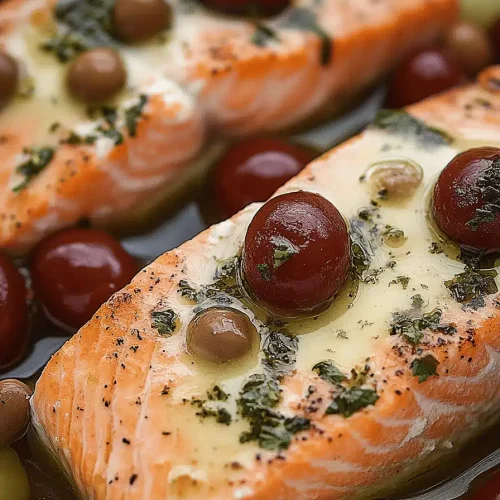
Mediterranean Salmon Bowl
Ingredients
Salmon
- 1.5 pound salmon fillet skin-on or skinless
- 2 tablespoon olive oil
- 1 teaspoon dried oregano
- 0.5 teaspoon garlic powder
- 0.25 teaspoon salt
- 0.25 teaspoon black pepper
Quinoa
- 1 cup quinoa rinsed
- 2 cups water or vegetable broth
Vegetables & Toppings
- 1 cup cherry tomatoes halved
- 1 cup cucumber diced
- 0.5 cup red onion thinly sliced
- 0.5 cup Kalamata olives pitted and halved
- 0.25 cup fresh parsley chopped
- 0.25 cup fresh mint chopped
- 0.5 cup hummus
- 0.25 cup lemon juice freshly squeezed
Instructions
Preparation Steps
- Preheat oven to 400°F (200°C). Line a baking sheet with parchment paper.
- In a small bowl, mix together olive oil, oregano, garlic powder, salt, and pepper. Place the salmon fillet on the prepared baking sheet and brush with the olive oil mixture.
- Bake the salmon for 15-20 minutes, or until cooked through and flakes easily with a fork.
- While the salmon is baking, cook the quinoa. Combine rinsed quinoa and water or broth in a saucepan. Bring to a boil, then reduce heat, cover, and simmer for 15 minutes, or until liquid is absorbed. Fluff with a fork.
- Prepare the vegetables and toppings: dice the cucumber, halve the cherry tomatoes, slice the red onion, halve the olives, and chop the parsley and mint.
- Once the salmon is cooked, flake it into large pieces.
- Assemble the bowls: Divide the cooked quinoa among four bowls. Top with flaked salmon, cherry tomatoes, cucumber, red onion, Kalamata olives, fresh parsley, and mint.
- Dollop with hummus and drizzle with fresh lemon juice.