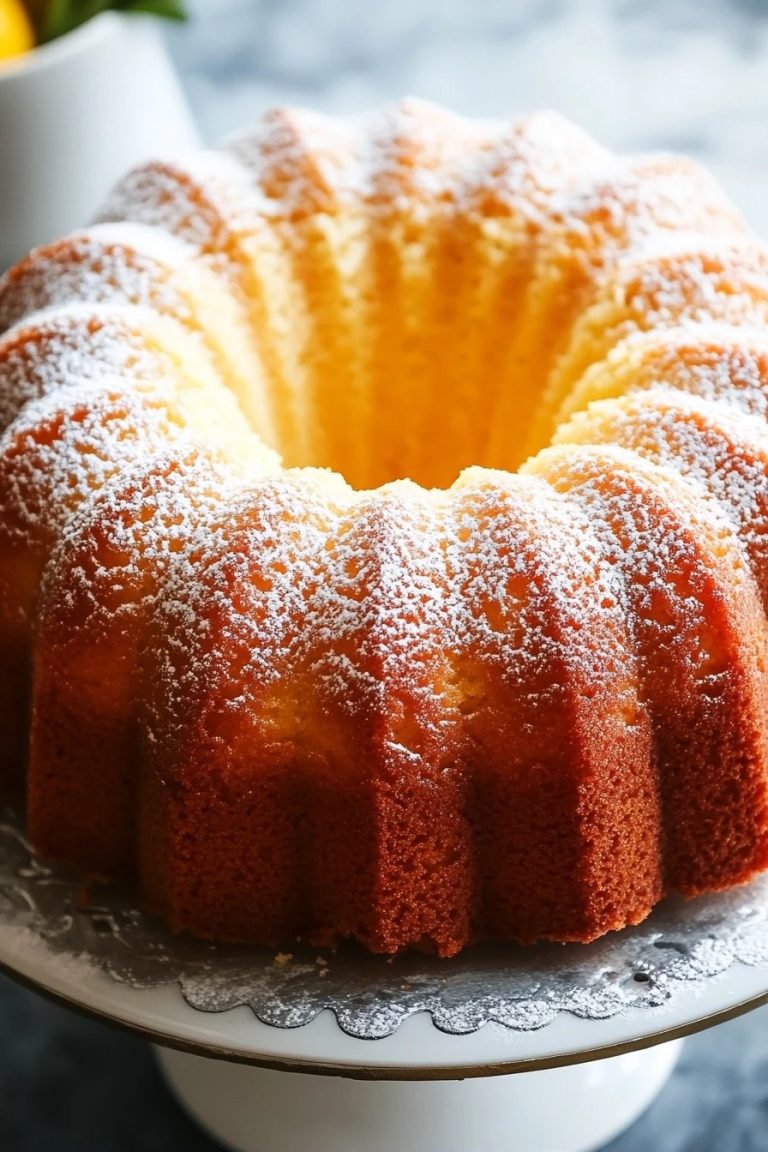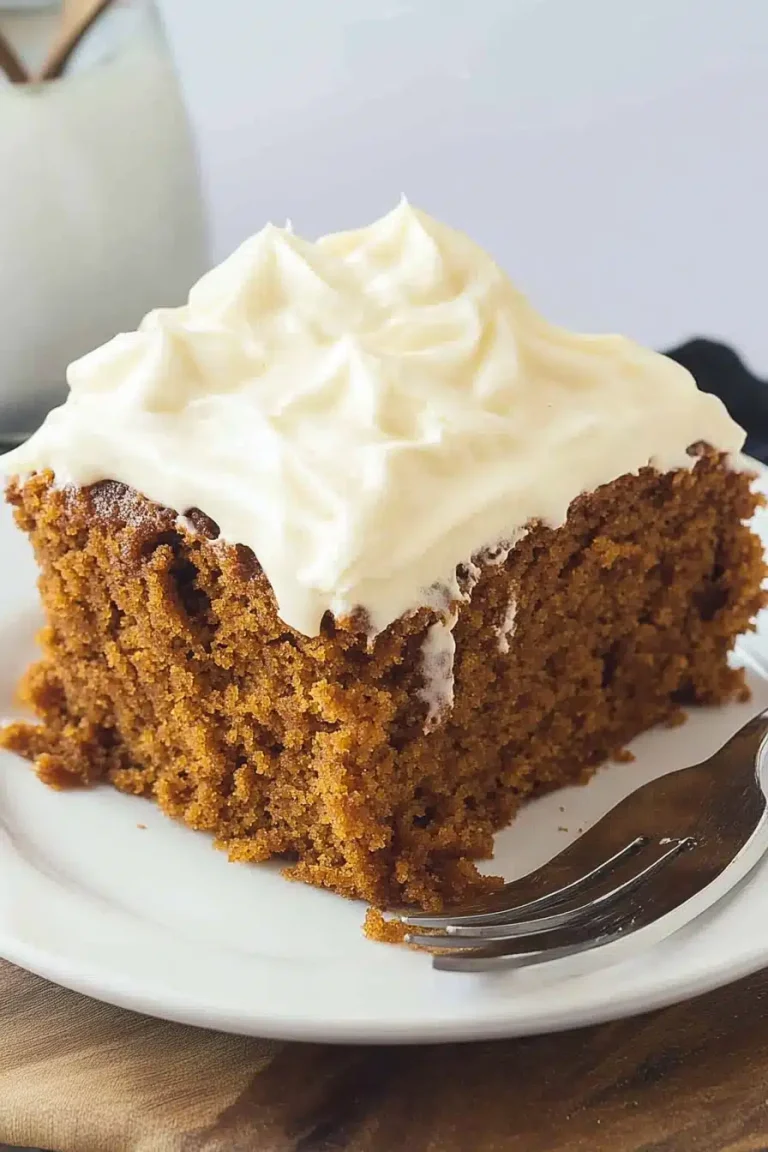

lemon loaf cake

There’s something so comforting about the smell of lemon zest filling your kitchen on a slow Sunday morning. It’s like a little burst of sunshine wrapped in cake form. I remember my grandmother baking her famous lemon loaf cake during family gatherings, and the whole house would turn into a citrus-scented haven. This lemon loaf cake isn’t just any old sweet treat—it’s that perfectly balanced, tangy, moist slice that feels like a warm hug. It’s surprisingly simple to whip up, yet it fills the room with such a fresh, inviting aroma that everyone always thinks you’ve spent hours in the kitchen. Honestly, it beats the fuss of a classic pound cake, and it has that bright lemon zing that cakes like banana bread just can’t touch. Whenever I bake this, my kids end up asking for seconds before dinner—it’s that good!
What is a lemon loaf cake?
Think of lemon loaf cake as the sweet and tangy cousin of your typical pound cake, but way brighter and zestier. It’s essentially a loaf-shaped cake baked in a standard bread pan, infused with fresh lemon juice and zest, that gives it that unmistakable citrus punch. The name “lemon loaf” comes straight from the shape, not because it’s bread. So, it’s not dense and doughy like a bread loaf, but moist and tender with that perfect crumb that melts in your mouth. A lemon loaf cake is super approachable for home cooks—no fancy techniques needed, just straightforward mixing, layering, and baking. It’s like a Sunday brunch staple that sneaks up and becomes everyone’s favorite, whether served for breakfast or with a hot cup of tea in the afternoon. I always say, it’s the easiest way to bring some sunshine to your kitchen!
Why you’ll love this recipe?
What I love most about this lemon loaf cake is how it manages to feel both indulgent and fresh all at once. The zing from the lemons brightens every bite, making it light enough to enjoy any time of day, but still rich and buttery so you’re satisfied after just one slice. And don’t worry if you’re new to baking—this one’s a breeze. The ingredients are pantry staples that won’t break the bank, and the step-by-step makes it pretty hard to mess up (though I’ve definitely learned where not to get lazy!).
Besides the tangy punch and simplicity, what makes this loaf so versatile is how well it plays with other flavors. You can add a sprinkle of poppy seeds for a nice crunch, or swap in some lavender for a floral twist if you’re feeling fancy. I’ve even experimented with almond milk instead of regular milk, which made the crumb even more tender and gave it a subtle nutty undertone—trust me on this one. Plus, it’s perfect for every occasion: a quick breakfast, an elegant brunch, or a cozy snack with friends. If you’re a fan of quick breads like zucchini or banana bread, but want something lighter and brighter, this lemon loaf cake hits the spot every single time. Oh, and bonus—it’s a total crowd-pleaser without any fuss!
How do I make lemon loaf cake?
Quick Overview
Making this lemon loaf cake is honestly one of the easiest baking adventures you can take on. After prepping your ingredients, you’ll mix the dry and wet parts separately, then combine them to form a batter that’s bright with lemon zest and juice. The magic happens when you bake it in a loaf pan—slow, even heat coaxing out that golden crust with a soft, tender center. I always find the glaze at the end seals the deal, making it glossy and adding a sweet-tart finish that’s irresistible. It’s one of those recipes where you don’t need to be a pro to get professional results.
Ingredients
For the Main Batter:
- 1 ½ cups all-purpose flour – I prefer unbleached for better texture
- 1 teaspoon baking powder – fresh is key for good rise
- ½ teaspoon baking soda
- ¼ teaspoon salt
- ¾ cup granulated sugar – you can tweak this depending on your sweetness preference
- 2 large eggs – room temperature for better mixing
- ⅓ cup vegetable oil – I’ve swapped this with melted butter for a richer flavor
- ⅓ cup buttermilk – if you don’t have buttermilk, a tablespoon of lemon juice in regular milk works fine!
- Zest of 2 large lemons – the fresher, the brighter the cake
- ¼ cup fresh lemon juice
- 1 teaspoon pure vanilla extract – trust me, it balances the tartness beautifully
For the Filling:
- ¼ cup cream cheese, softened – this adds a creamy surprise inside
- 2 tablespoons sugar – to sweeten just enough
- 1 tablespoon lemon zest – to punch up that citrus flavor
- 1 tablespoon lemon juice
Tip: You can swap the cream cheese for mascarpone if you want a silkier texture!
For the Glaze:
- 1 cup powdered sugar, sifted – to keep it smooth
- 2 tablespoons lemon juice – add more if you want it thinner
- Optional: ½ teaspoon vanilla extract or a dash of almond extract
Note: The glaze should be thick enough to coat but still drizzle off your spoon; it gives that lovely shine and tang at the finish.
Step-by-Step Instructions
Step 1: Preheat & Prep Pan
Start by preheating your oven to 350°F (175°C). I always line my loaf pan with parchment paper—even a little overhang helps with easy removal later. Greasing the pan lightly with butter or oil is also a must, especially if you’re skipping parchment. This step sets you up for a loaf that releases perfectly with those lovely edges intact. While the oven heats, it’s a good time to zest those lemons and soften your cream cheese if you haven’t done that yet.
Step 2: Mix Dry Ingredients
Whisk together the flour, baking powder, baking soda, and salt in a large bowl. This ensures the rising agents get evenly distributed, so your loaf bakes up light and fluffy without any dense spots. I tend to sift everything once, just to be extra sure there aren’t any lumps. It also makes the batter smoother, which you’ll appreciate when mixing.
Step 3: Mix Wet Ingredients
In another bowl, beat the eggs and sugar until light and fluffy—this part aerates the batter, giving the loaf a tender crumb. Next, whisk in the oil, buttermilk, lemon zest, lemon juice, and vanilla. If you notice the mixture looks slightly curdled after adding lemon juice, don’t panic—that’s just the acid reacting to the dairy and it won’t affect the final loaf. Just keep mixing gently until combined.
Step 4: Combine
Dump your wet ingredients into the dry and fold them together with a spatula. The key here is to fold just until you don’t see dry streaks anymore. Overmixing will develop the gluten too much and lead to a tougher loaf, so gentle hands are your best friend. The batter should feel thick but spreadable, almost like a thick pancake batter.
Step 5: Prepare Filling
While the batter rests, mix the softened cream cheese with sugar, lemon zest, and lemon juice until smooth. This creamy layer inside the loaf adds a delightful surprise once sliced—it’s tangy, sweet, and creamy all at once. Make sure it’s smooth with no lumps, so it swirls beautifully in the next step.
Step 6: Layer & Swirl
Pour about half the batter into your prepared loaf pan, smoothing out with a spatula. Drop spoonfuls of your cream cheese filling evenly on top. Then, dollop the remaining batter over the filling layer. Now, grab a butter knife and gently swirl the layers together—don’t overdo it! You want pretty marbled veins of cream cheese inside, not a total mix. The pattern will bake into gorgeous ribbons of creamy lemon delight.
Step 7: Bake
Pop the pan into your preheated oven and bake for about 50-60 minutes. Around 50 minutes, start checking by inserting a toothpick: it should come out with just a few moist crumbs, but no raw batter. Ovens can vary, though, so keep an eye. If the top starts browning too fast, loosely tent with foil to prevent burning while the inside finishes baking.
Step 8: Cool & Glaze
Once your lemon loaf cake is out of the oven, let it cool in the pan for about 15 minutes. Then gently lift it out using your parchment overhang and move it to a wire rack to cool completely. I can’t stress this enough—if you glaze while the loaf is still warm, the glaze will melt off rather than set nicely. Whisk your glaze ingredients until smooth, then drizzle over the cooled loaf evenly. If you want a thicker glaze, chill it for a few minutes before drizzling.
Step 9: Slice & Serve
When it’s time to serve, I like to slice with a serrated knife using a gentle sawing motion to keep the slices neat without squashing that delicate crumb. This lemon loaf cake tastes best at room temperature, but I won’t judge if you snag a slice while it’s still slightly warm (the glaze gets wonderfully sticky!). Serve it plain or with a dollop of whipped cream or a scoop of vanilla ice cream if you’re feeling decadent.
What to Serve It With
For Breakfast: Nothing beats a slice of this lemon loaf cake alongside a steaming cup of coffee or your go-to morning tea. I like to plate it with a few fresh berries or a smear of butter. It’s simple yet satisfying—perfect when you want to feel a little fancy without the fuss.
For Brunch: Dress it up with a light dusting of powdered sugar and a side of fruit salad. A chilled mimosa or a sparkling lemonade pairs magically here, turning it from just a cake into an event. I’ve served this at family brunches where it vanished quicker than the eggs benedict!
As Dessert: Scoop some vanilla bean ice cream on the side or drizzle with a berry compote for an easy, no-fuss dessert. The lemon glaze combined with the creamy filling and ice cream is pure joy on a spoon.
For Cozy Snacks: This loaf is a lifesaver for those mid-afternoon sweet cravings. Warm it slightly and enjoy with a cup of herbal tea or a glass of cold milk. My kids love this just as it is, perfect for after school or a casual pick-me-up.
My family has made a tradition of slicing it thick for celebrations, and it always brings smiles and sticky fingers. Honestly, it’s one of those simple pleasures that makes any day feel special.
Top Tips for Perfecting Your Lemon Loaf Cake
Lemon Zest & Juice: Always zest your lemons before juicing. It’s amazing how much aroma the zest adds—freshness in every bite. Use unwaxed organic lemons when possible for the best flavor and less bitterness in the zest.
Mixing: I’ve learned that beating the eggs and sugar well is crucial because it creates air that lightens the cake. Also, folding rather than stirring prevents tough texture. When combining wet and dry, be patient and gentle.
Cream Cheese Swirl: Keep the cream cheese very soft so it blends smoothly but still holds shape when swirled. Too hard and you’ll have lumps; too runny, and it’ll disappear in the batter.
Swirl Technique: Use a butter knife or skewer for a delicate marbling effect. I like a few long, gentle swirls rather than lots of tiny ones. It looks prettier and gives you those lovely creamy pockets inside.
Ingredient Swaps: If you prefer dairy-free, almond or oat milk with a teaspoon of vinegar works well as a buttermilk substitute. You can also replace oil with melted coconut oil for a subtle tropical hint. I’ve done this and the texture stayed perfect, just a little extra flavor complexity.
Baking: If your oven runs hot, check your cake a bit earlier to avoid a burnt crust. Placing the loaf pan in the center rack helps with even cooking. Resist the urge to open the oven door too often, or your cake might sink.
Glaze Variations: To switch it up, stir in a little lavender or ginger powder into the glaze, or swap lemon juice for orange juice for a sweeter finish. Applying the glaze after the cake is fully cooled seals in moisture and adds that irresistible shine.
I’ve made countless lemon loaf cakes, and these tips have saved me from many “almost” disasters—like sinking centers from overmixing or runny glaze disasters. Trust me, a little extra care with these details turns a good cake into a legendary loaf you’ll be proud to share.
Storing and Reheating Tips
Room Temperature: Store your lemon loaf cake wrapped loosely in parchment and then covered with foil or an airtight container. It stays fresh for about 2 days at room temp without drying out. Avoid plastic wrap directly on the glaze—it tends to get sticky.
Refrigerator Storage: If you want to keep it longer (up to 5 days), wrap tightly in plastic wrap or store in a sealed container. The glaze might firm up a bit, but it softens as the loaf reaches room temperature again.
Freezer Instructions: This loaf freezes beautifully! Wrap it well in plastic wrap and then in foil or a freezer bag. It keeps up to 3 months. To thaw, move to the fridge overnight or at room temperature for a few hours. If glazed, you might want to add a fresh drizzle after thawing for that extra pop.
Glaze Timing Advice: For storing, it’s best to fully cool the loaf and add the glaze right before serving if you’re freezing or refrigerating to keep that glossy fresh look. For same-day eating, glaze after cooling thoroughly.
I’ve found following these storage tips means your lemon loaf cake stays moist, fresh, and just as inviting even days after baking—though it’s always hard not to devour it right away!
Frequently Asked Questions
Final Thoughts
This lemon loaf cake feels like a little slice of joy every time it comes out of the oven. It’s got that perfect balance of tangy and sweet, with a creamy surprise inside and a shiny glaze finish that makes it feel special without any fuss. I can’t tell you how many times this recipe has been my go-to when friends pop over unexpectedly, or when we need a quick pick-me-up that everyone in the family loves. If you enjoy this one, you might want to try my blueberry lemon loaf or the classic vanilla pound cake—both close friends in my recipe book.
So, grab those lemons and give this lemon loaf cake a try—you’ll have a fresh, delightful treat that feels homemade and heartwarming in every bite. Happy baking, and I can’t wait to hear how yours turns out! Don’t forget to share your variations and stories in the comments—I love reading them!


Tangy Lemon Loaf Cake Recipe
Ingredients
Main Ingredients
- 1.5 cups all-purpose flour
- 1.5 teaspoons baking powder
- 0.5 teaspoon salt
- 1 cup granulated sugar
- 2 tablespoons lemon zest from about 2 medium lemons
- 0.5 cup unsalted butter at room temperature
- 0.25 cup vegetable oil
- 2 large eggs at room temperature
- 3 tablespoons fresh lemon juice
- 0.5 cup Greek yogurt or sour cream
- 0.5 cup lemon curd homemade or store-bought
- 1 cup powdered sugar for glaze, sifted
- 3 tablespoons lemon juice for glaze
- 1 teaspoon lemon zest for glaze
- 1 splash heavy cream for glaze
Instructions
Preparation Steps
- Preheat oven to 350°F and grease a 9x5 inch loaf pan.
- In a medium bowl, whisk together flour, baking powder, and salt. Set aside.
- In a large bowl or stand mixer, beat sugar and lemon zest together for 3-4 minutes until fragrant and combined.
- Add the butter and mix until fluffy, about 3-4 minutes. Then add the oil and mix for another 1-2 minutes.
- Add eggs one at a time, mixing well after each addition. Stir in fresh lemon juice. The mixture may look curdled, which is normal.
- Fold in Greek yogurt, then gently fold in the dry ingredients until just combined.
- Pour one-third of the batter into the prepared pan. Drop one-third of lemon curd dollops on top, and use a knife to swirl the curd slightly. Repeat two more times, ending with lemon curd on top.
- Bake for 30-40 minutes, then cover the top loosely with foil to prevent over-browning and bake an additional 10-20 minutes, or until a toothpick inserted in the center comes out clean.
- Cool cake in pan for 30 minutes, then invert carefully onto a wire rack and cool another 30 minutes before glazing.
- For the glaze, combine powdered sugar, lemon juice, lemon zest, and a splash of heavy cream until smooth. Drizzle over completely cooled cake. Store in an airtight container, refrigerated to keep fresh longer.