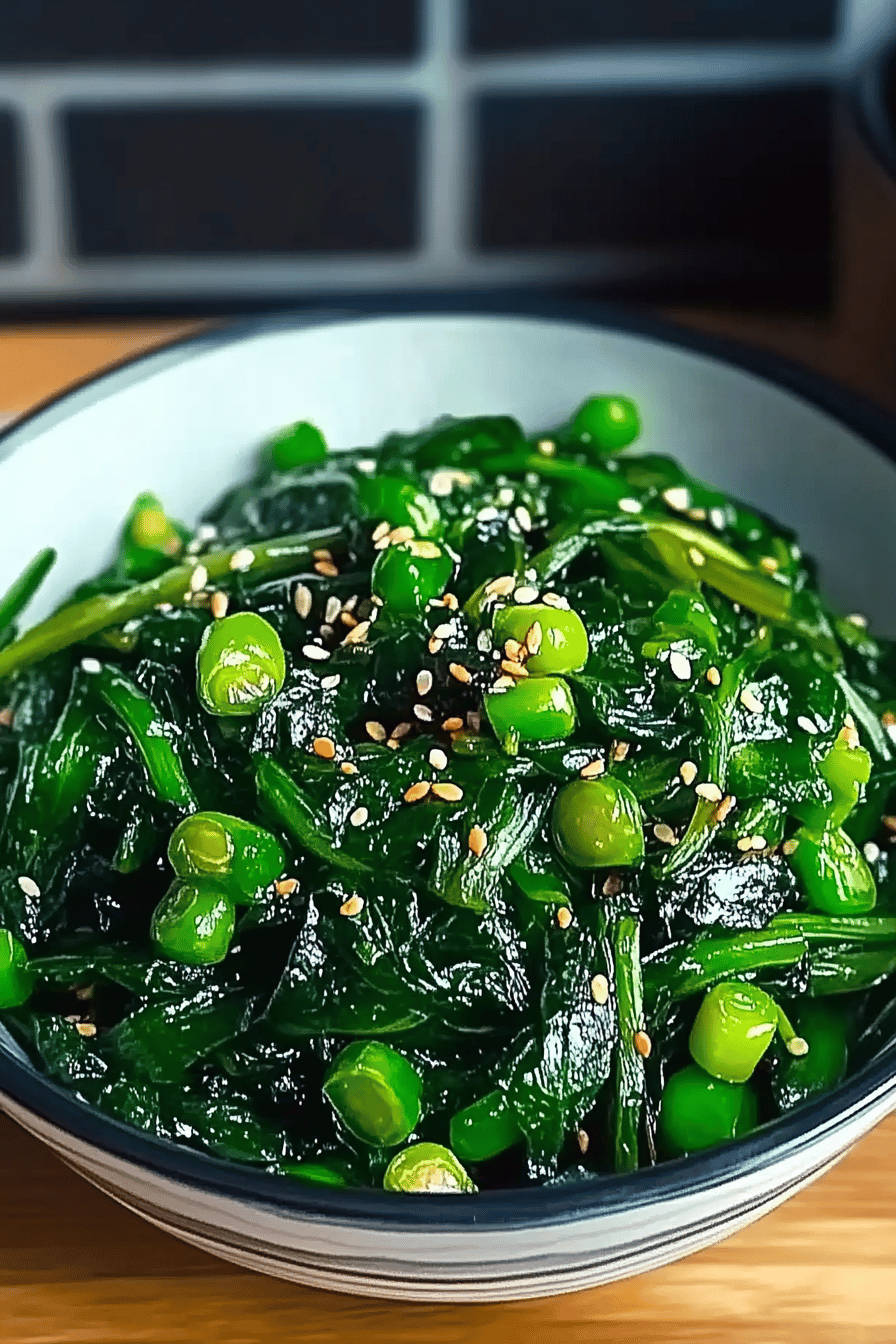

Korean spinach

I’ll never forget the first time I had a truly spectacular Korean spinach side dish. It wasn’t just a wilted green; it was this vibrant, intensely flavorful experience that just sang with garlic, sesame, and a hint of sweetness. It was so good, it made me rethink everything I thought I knew about simple vegetable preparations. If you’ve only ever had spinach steamed or sautéed in a pinch, get ready, because this Korean Spinach Recipe is about to change your life. It’s a lifesaver on busy nights when you need something quick and incredibly satisfying, and honestly, my kids ask for this all the time, which, as any parent knows, is basically a miracle. It’s so much more dynamic than your average side salad or plain sauté, and it pairs beautifully with almost anything. Think of it as the little black dress of vegetable sides – always elegant, always appropriate, and always a crowd-pleaser.

What is Korean Spinach?
So, what exactly is this magical Korean spinach dish we’re talking about? In Korean cuisine, it’s known as *Sigeumchi Namul* (시금치 나물), and it’s a staple for a reason. At its heart, it’s blanched spinach, but the magic happens in the dressing. It’s typically tossed with a simple yet powerful blend of toasted sesame oil, minced garlic, soy sauce, and often a pinch of sugar and some toasted sesame seeds. It’s not complicated, but the combination of textures and flavors is just *chef’s kiss*. It’s essentially a celebration of fresh spinach enhanced by umami-rich, nutty, and slightly pungent notes. It’s light enough not to overpower a meal but flavorful enough to stand out. It’s the kind of dish that makes you pause and really savor each bite, marveling at how simple ingredients can create such depth. It’s often part of a larger Korean meal, served alongside rice and various *banchan* (Side Dishes), but it’s so delicious, I’ve definitely made a meal out of it with just some rice and kimchi!
Why you’ll love this recipe?
Honestly, there are so many reasons why I keep coming back to this Korean spinach recipe, and I have a feeling you’ll fall in love with it too. First off, the flavor is just out of this world. That perfect balance of salty soy sauce, fragrant garlic, and the nutty, toasty richness of sesame oil is pure bliss. It’s so much more exciting than just plain spinach. Then there’s the simplicity. You can have this on the table in under 15 minutes, which is a lifesaver on those weeknights when you’re rushing to get dinner ready. Seriously, it’s faster than ordering takeout! And it’s incredibly budget-friendly too. Spinach is usually pretty affordable, and the rest of the ingredients are pantry staples. You probably already have most of them on hand. What I love most about this Korean spinach is its versatility. It’s not just a side dish; it can be stirred into rice for a quick bibimbap base, added to noodle bowls, or even used as a filling for dumplings or kimbap. I’ve also experimented by adding a tiny pinch of gochugaru (Korean chili flakes) for a little kick, and it was fantastic! It truly shines next to richer dishes like Korean BBQ or fried chicken, but it’s also a great way to make a simple meal of rice and grilled fish feel a lot more special. It’s the perfect example of how simple, fresh ingredients, treated with a little bit of love, can create something truly extraordinary.
How do I make Korean Spinach?
Quick Overview
This Korean spinach dish is all about quick blanching and a simple, flavorful dressing. You’ll briefly cook the spinach until it’s tender-crisp, then squeeze out any excess water before tossing it with garlic, sesame oil, soy sauce, and sesame seeds. The whole process is incredibly fast, making it an ideal side for any meal. What makes my method special is focusing on getting the spinach just right – not mushy, not raw – and ensuring the dressing is perfectly balanced. It’s a foolproof way to get delicious, vibrant Korean spinach every single time.
Ingredients
For the Main Dish:
1 large bunch of fresh spinach (about 1 pound)
1 tablespoon toasted sesame oil (this is key for that nutty aroma!)
1 clove garlic, minced (or more if you’re a garlic fiend like me!)
1 teaspoon soy sauce (use a good quality one if you can)
½ teaspoon sugar (optional, but it balances the saltiness beautifully)
1 teaspoon toasted sesame seeds (for garnish and extra texture)
Step-by-Step Instructions
Step 1: Preheat & Prep Pan
Get a large pot of water boiling for blanching. While the water heats up, wash your spinach thoroughly and pick out any wilted or yellow leaves. Give it a good rinse under cold water, and then give it a gentle shake to remove excess moisture. You don’t need to dry it completely, just get the big drips off.
Step 2: Mix Dry Ingredients
In a medium-sized bowl, where you’ll be mixing the spinach after blanching, combine the minced garlic, soy sauce, and sugar (if using). Give it a quick stir with a fork to make sure the sugar starts to dissolve.
Step 3: Mix Wet Ingredients
This step is actually done in the previous bowl. The ‘wet ingredients’ for the dressing are already in there. You’ll add the toasted sesame oil right before tossing the spinach with everything.
Step 4: Combine
Once the water is at a rolling boil, add the spinach. Don’t overcrowd the pot; you might need to do this in two batches depending on the size of your spinach bunch. It will only take about 30-60 seconds for the spinach to wilt and turn bright green. You want it tender but still with a little bite. Immediately scoop the spinach out using a slotted spoon or a spider strainer and plunge it into an ice bath (a bowl of ice water) to stop the cooking process. This is super important to keep that vibrant green color and prevent it from getting mushy.
Step 5: Prepare Filling
Once the spinach is cool enough to handle, grab a handful and squeeze out as much water as you possibly can. Seriously, squeeze it like you mean it! The drier the spinach, the better the dressing will coat it and the less watery your final dish will be. Repeat this with all the spinach. You can do this over the sink or a colander.
Step 6: Layer & Swirl
Add the squeezed-out spinach to the bowl with the garlic, soy sauce, and sugar mixture. Drizzle the toasted sesame oil over the top. Now, using your hands (this is the best way!) or a spoon, gently toss everything together, making sure every strand of spinach is coated in the delicious dressing. Massage it in a little if you like, ensuring all those flavors meld together. You want a nice, even coating. Finally, sprinkle the toasted sesame seeds over the top for that perfect finishing touch and extra crunch.
Step 7: Bake
This recipe doesn’t require baking!
Step 8: Cool & Glaze
No glazing needed for this recipe. The ‘dressing’ is applied directly after squeezing the spinach.
Step 9: Slice & Serve
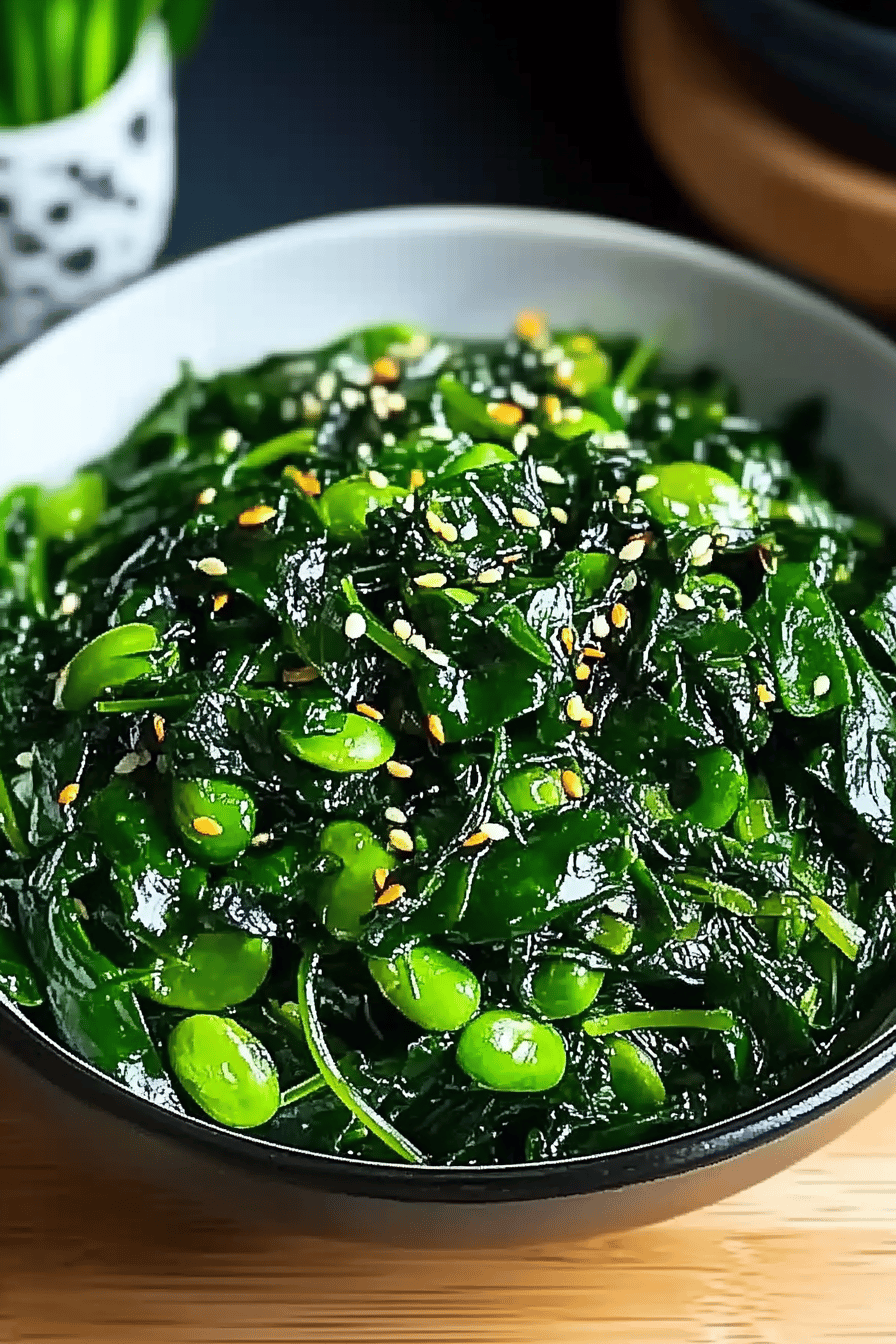
You can serve this Korean spinach immediately, or let it sit for about 10-15 minutes to allow the flavors to meld even further. If you want to arrange it nicely, you can gently shape it into a little mound on your serving dish.
What to Serve It With
This Korean spinach is truly a chameleon when it comes to pairings. For breakfast, I love it alongside a simple bowl of rice and a fried egg – it adds a pop of freshness and flavor that just makes the morning feel a little more put-together. If you’re going for brunch, it’s a fantastic addition to a spread with some Korean pancakes (pajeon) or maybe some savory muffins. It adds a lovely, lighter element to balance out richer dishes. As a dessert, well, it’s not exactly dessert, but it’s so satisfying that sometimes, when I’m craving something savory and fresh after dinner, I’ll have a small bowl of it. For cozy snacks, it’s perfect with a bowl of instant ramen or just on its own when you need a quick, healthy bite. My absolute favorite way to serve it, though, is as part of a traditional Korean meal. It sits beautifully alongside grilled meats (galbi, bulgogi, anyone?), spicy stews like kimchi jjigae, or even just a simple plate of steamed rice and kimchi. It’s the kind of dish that makes a humble meal feel abundant and complete. It’s also surprisingly good with non-Korean food – think of it as a flavor boost for roasted chicken or even a salmon fillet.
Top Tips for Perfecting Your Korean Spinach
I’ve made this Korean spinach so many times, I feel like I could do it with my eyes closed, but there are definitely a few little tricks I’ve picked up along the way that make all the difference. First, for the spinach itself, always choose fresh, vibrant bunches. If the leaves look a bit sad or wilted at the store, they’ll be even sadder after blanching. When you’re blanching, don’t overcook it! That quick 30-60 seconds is all it needs. If you see the leaves turning a dull green, you’ve gone too far. The ice bath is your best friend here; don’t skip it! It shocks the spinach and locks in that beautiful bright green color and that lovely crisp-tender texture. The absolute *most* important step, in my opinion, is squeezing out the water. If you don’t squeeze hard enough, you’ll end up with a watery dressing and the flavors won’t concentrate properly. I learned this the hard way early on! For the dressing, feel free to adjust the garlic and soy sauce to your taste. I like a good amount of garlic, but if you’re sensitive, start with less and add more if needed. And that pinch of sugar? It’s optional, but trust me, it really rounds out the flavors. For the sesame oil, make sure it’s *toasted* sesame oil – the raw stuff just won’t give you that deep, nutty aroma that makes this dish so special. If you want to get fancy, you can add a tiny bit of sesame seeds to the dressing itself, but I prefer them sprinkled on top for crunch. I once tried adding a splash of rice vinegar, and while it was interesting, it definitely changed the classic flavor profile, so I stick to the traditional recipe now. And if you’re really looking to impress, a tiny pinch of gochugaru (Korean chili flakes) stirred into the dressing adds a lovely subtle heat without being overpowering. It’s a small tweak that makes a big difference.
Storing and Reheating Tips
This Korean spinach is best enjoyed fresh, but it does store pretty well! At room temperature, it’s best to consume it within a few hours, especially if it’s warm. If you need to store it for a bit longer, pop it straight into the refrigerator. I usually keep it in an airtight container, and it stays fresh for about 2-3 days. The flavor actually deepens a little after a day, which I quite like. When it comes to reheating, I usually just eat it cold or at room temperature, as it’s delicious that way. If you do want to warm it up, give it a very gentle toss in a non-stick pan over low heat for just a minute or two. Be careful not to overcook it, or it will get mushy. I’ve never tried freezing this dish because spinach tends to get a bit watery and lose its texture once thawed, so I’d recommend making only what you think you’ll eat within a few days. For best quality, avoid freezing. The glaze, or rather the dressing, is applied right after squeezing the spinach, so there’s no separate “glaze timing” to worry about. Just toss and serve!
Frequently Asked Questions
Final Thoughts
So there you have it – my absolutely favorite Korean spinach dish. It’s one of those recipes that’s deceptively simple but delivers so much flavor and satisfaction. It’s proof that you don’t need a million fancy ingredients or hours in the kitchen to create something truly delicious. It’s healthy, it’s quick, and it’s versatile enough to be a regular in your meal rotation. I really hope you give this a try! It’s become such a staple in my home, and I’m sure it will in yours too. If you love vibrant, fresh flavors and quick weeknight meals, this Korean spinach is a must-try. It’s perfect for anyone looking to add a little more color and zest to their plate. Let me know in the comments below how yours turns out, or if you have any fun variations you’d like to share! I’m always curious to hear how other people put their own spin on classic recipes. Happy cooking!