French Macarons

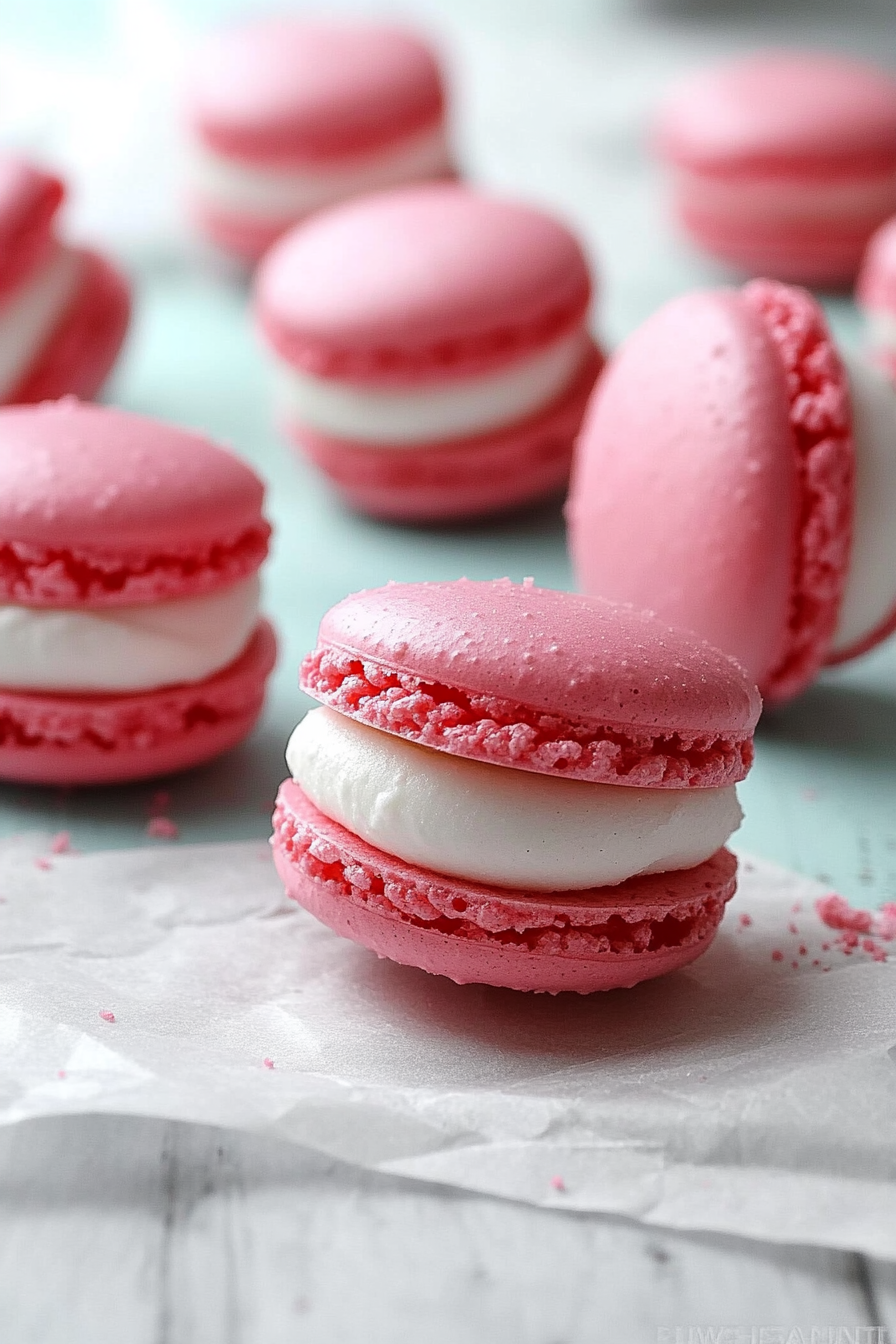
There’s something almost magical about biting into a French macaron—the delicate crunch giving way to a soft, chewy center with a luscious burst of flavor in every bite. I still remember the first time I tried them, at a tiny patisserie in Paris, watching the sunlight dance through the window, the smell of almond and sugar floating through the air, and thinking, “I’m definitely making these when I get home.” Honestly, these French macarons have become my little secret for impressing friends at parties or treating my kids after school. They look fancy, but trust me, once you get a handle on the basics, they’re a whole lot less intimidating than a souffle or croissant. And way more fun than those plain old cookies. I’ve perfected this recipe to be just right—not too sweet, with the signature crisp shells and that beautiful ruffled “foot” that you’d expect from a bakery. Let me share all my little tips and tricks with you!
What is French Macarons?
Think of French macarons as delicate sandwich cookies made from a mixture of almond flour, sugar, and egg whites—then filled with anything from creamy buttercream to tangy fruit jam. They’re those perfect little pastel-colored treats you often see at fancy cafes or special occasions. The name “macaron” actually comes from the Italian word “maccarone” or “maccherone,” which means “paste,” referring to the ground almonds used in the batter. They’re essentially little bites of chewy delight, crisp on the outside and soft on the inside, with endless filling possibilities. While they may look like regular cookies, don’t be fooled—they require a bit of patience and care to really get right. But stick with me; once you try your first batch, you’ll see why these tiny treats have captured hearts worldwide and become my absolute favorite to bake when I want something truly special.
Why you’ll love this recipe?
What I love most about these French macarons is that they strike the perfect balance between impressive and doable. First off, the flavor—almond with a hint of vanilla or whatever filling you choose—is just pure bliss. The texture is something I’ve chased for years: that crisp shell that shatters gently, followed by a chewy, melt-in-your-mouth center. You can fill them with anything from classic buttercream to lemon curd or even a rich chocolate ganache, so the flavor profile is totally up to you. Secondly, the simplicity of ingredients is a lifesaver. You really only need a handful of basics that I always have on hand: almond flour, egg whites, and sugar. No fancy gadgets or secret ingredients hiding in the back of some gourmet pantry. Plus, once you get the technique down, making them is actually pretty quick compared to other pastries.
Also, these little gems are budget-friendly compared to buying a box at a boutique bakery—especially when you start customizing your flavors and colors at home. Another favorite thing? These macarons aren’t just for dessert. I’ve brought them to brunches, given them as gifts, and even enjoyed them with a cup of tea on quiet afternoons. If you’ve ever been intimidated by French baking, this recipe is the gentle introduction you need without sacrificing flavor or flair. And trust me, after a few batches, they’ll become your go-to for those moments when you want to WOW without the fuss.
How do I make French macarons?
Quick Overview
Here’s the gist: you’ll start by whipping egg whites into a glossy meringue, then gently folding in almond flour and powdered sugar to create a smooth, lava-like batter. Pipe the batter onto parchment-lined trays into perfect little rounds, let them rest so they form a thin skin, and then bake until they develop those signature “feet” and a crisp shell. After they’ve cooled, sandwich them with your favorite filling and voilà—gourmet treats without the bakery price tag. The trick is in the details—temperature, timing, and gentle folding—but if you take it slow, you’ll be rewarded with macarons that look and taste like they came from your favorite French cafe.
Ingredients
For the Main Batter:
- 100g almond flour (make sure it’s finely ground and fresh for best texture)
- 100g powdered sugar (sifted to avoid clumps)
- 75g egg whites (aged a day or two in the fridge, brings out better volume)
- 35g granulated sugar (to stabilize the meringue)
- A pinch of cream of tartar or a few drops of lemon juice (for meringue stability)
- Optional: a few drops of food coloring (gel works best for vibrant colors without changing consistency)
For the Filling:
- Buttercream (butter, powdered sugar, a splash of vanilla extract)
- Or chocolate ganache (heavy cream + good quality dark chocolate, melted and cooled)
- Or fruit jam or lemon curd (for something lighter and tangy)
- Optional: flavor extracts like almond, raspberry, or rose water for extra oomph
For the Glaze (Optional):
- Powdered sugar mixed with a tiny bit of milk or lemon juice (thin consistency)
- Or a light drizzle of melted chocolate (dark or white)
- Tip: glaze should be thin enough to drizzle smoothly but not runny enough to soak into shells
Step-by-Step Instructions
Step 1: Preheat & Prep Pan
Start by preheating your oven to 300°F (150°C). Line two baking sheets with parchment paper or silicone baking mats—trust me, silicone gives that perfect grip, and your macarons will peel off like a dream. You’ll want to prepare your piping bag fitted with a round tip, too, so everything is ready for that smooth pour-batter moment.
Step 2: Mix Dry Ingredients
Whisk together your almond flour and powdered sugar in a bowl, then sift this mixture at least once (or twice if you’re feeling extra meticulous). This gets rid of any lumps and creates that fine flour that helps form the smooth, shiny tops macarons are famous for. If you skip this, your shells might turn out bumpy—no bueno for that picture-perfect look.
Step 3: Mix Wet Ingredients
In a clean bowl, use a handheld mixer or stand mixer to start whipping your egg whites on medium speed. Once they get foamy, add the cream of tartar or lemon juice and then gradually add the granulated sugar while increasing the speed to high. You want stiff, glossy peaks that don’t droop when you lift the whisk—this might take a few minutes, but patience here is everything for a stable meringue.
Step 4: Combine
Now for the fun part—the macaronage. Gently fold the dry mix into the meringue using a spatula. This part takes a bit of finesse. It should be fluid enough to flow off the spatula in thick ribbons, but not so runny that it spreads like pancake batter. When in doubt, I always scrape the edges down and fold slowly rather than rush it; over-mixing leads to flat or cracked macarons, which I’ve learned the hard way. Add that gel color here if you want vibrant shells!
Step 5: Prepare Filling
While your shells are resting (more on that next), quickly whip up your filling. For buttercream, beat softened butter with powdered sugar until fluffy, and add your favorite extracts. For ganache, just heat cream, pour it over chopped chocolate, and stir until silky smooth. Pop it in the fridge to firm up slightly if it’s too loose; nothing worse than filling dribbling out the sides when you bite in!
Step 6: Layer & Swirl
Pipe your batter into neat little circles, about 1.5 inches wide, spaced evenly on your baking trays. Tap the tray firmly on the counter a few times to release air bubbles—don’t skip this or you might get pesky holes in your shells. Now comes the crucial “resting” step: let the piped shells sit at room temperature for 30-60 minutes, or until they form a dry skin when touched softly. This step can’t be rushed if you want those iconic feet to develop during baking.
Step 7: Bake
Pop the trays in the oven and bake for 14-18 minutes. Oven temperatures vary, so watch carefully the first few times. You’ll know they’re done when the shells are firm to the touch but not browned, and the feet have formed at the base. Carefully slide a thin spatula underneath a shell; if it lifts easily without sticking, it’s a winner!
Step 8: Cool & Glaze
Let the shells cool completely on the tray—that crunch develops as they cool. If you want to glaze, do so at this point with a light drizzle or a quick dusting of powdered sugar. Be gentle; the shells are delicate. I like to glaze half my batch and leave the rest classic so everyone gets to choose their favorite.
Step 9: Slice & Serve
Finally, sandwich your fillings between two shells. Press gently so the filling spreads evenly without cracking the shells. These taste best after resting in the fridge for 24 hours—it lets the flavors meld and softens the macarons just right. Serve chilled or at room temperature with your favorite hot drink. I promise, these disappear faster than fresh coffee at my house!
What to Serve It With
For Breakfast: French macarons might sound fancy for breakfast, but they pair beautifully with a freshly brewed espresso or a comforting latte. My kids love them alongside their morning fruit bowls—they feel like a mini celebration before school.
For Brunch: Bring out your inner hostess and plate macarons on a tiered stand alongside fruit tarts and mini quiches. Pair with sparkling water infused with lemon or a delicate champagne cocktail to elevate the experience.
As Dessert: After dinner, serve macarons with a side of fresh berries or a dollop of whipped cream. They’re light enough to avoid that “too full” feeling but festive enough to close the meal with style.
For Cozy Snacks: When the afternoon slump hits, I reach for macarons and a good cup of tea. The sweet almond scent fills the kitchen and brings a little joy to quiet moments—plus, they’re small enough not to feel guilty about snacking.
In our family, macarons have become a little tradition for birthdays and special Sundays, and I always love hearing about the flavors my readers dream up as their favorites. Try lavender honey or pistachio for something a bit more adventurous—you might be surprised!
Top Tips for Perfecting Your French Macarons
Almond Flour: Always use superfine almond flour—regular ground almonds are too coarse and will ruin that delicate texture. I buy mine fresh and store it in the fridge to prevent it going rancid. If you’re ever in doubt, pulse it gently in a food processor and sift again.
Mixing Advice: Gentle is the key word during macaronage. I’ve learned the hard way that overmixing can flatten the batter, and undermixing can lead to cracked shells. A good test is to lift your spatula and let the batter drip—if it falls in a slow ribbon, you’re spot on.
Swirl Customization: If you’re feeling artsy, pipe two colors next to each other and use a toothpick to swirl before resting. It creates these stunning marbled effects that leave guests wide-eyed.
Ingredient Swaps: You can try substituting almond flour for pistachio flour for a nutty twist or add cocoa powder to the dry mix for a chocolate version. Use sparingly though, as it changes the batter consistency—add 10-15g cocoa and reduce almond flour the same amount.
Baking Tips: If your oven runs hot, lower the temp by 10-15 degrees and increase baking time slightly. Rotate trays halfway through to ensure even baking. Using an oven thermometer has saved me from many burnt batches!
Glaze Variations: I love experimenting with glazes made from fruit purees reduced and sweetened, or even a quick salted caramel drizzle. Just make sure the glaze isn’t too runny, or it’ll soak into the shells and spoil that crunch.
This recipe has been my kitchen companion for years and odd batches have taught me patience and precision—and sometimes, how to laugh when things don’t turn out. Trust me, every effort is worth that moment you bite into a perfect macaron, delicate shell giving way to creamy, dreamy filling.
Storing and Reheating Tips
Room Temperature: Store your filled macarons in an airtight container at room temperature for up to 24 hours. Cover lightly to avoid moisture buildup which can soften the shells too much.
Refrigerator Storage: Macarons kept in the fridge last about 3-5 days. I line a container with parchment and layer the macarons separated by paper to keep them from sticking. The fridge actually helps deepen the flavors and perfect the texture, so I usually refrigerate mine overnight before serving.
Freezer Instructions: For longer storage, freeze macarons unfilled and individually wrapped in plastic wrap, then place in an airtight container or freezer bag. They keep for up to 3 months. Thaw at room temperature for about 30 minutes before filling and serving.
Glaze Timing Advice: If glazing, it’s best to do so right before serving, especially if you plan to store them, as the glaze can soften over time. Alternatively, keep glazed macarons separate and add just before guests arrive.
I’ve found that with these steps, macarons maintain their texture and flavor surprisingly well. It’s hard to resist eating them fresh, but this storage method means you can make batches in advance for celebrations.
Frequently Asked Questions
Final Thoughts
French macarons might seem like little gems reserved for special trips to Paris or fancy tea parties, but believe me, with this recipe, they become something you make whenever you feel like treating yourself or your loved ones. The crackle of the shells, the rich aroma of toasted almonds, that first tantalizing bite—these are moments you savor long after the macarons are gone. I love how this recipe mixes tradition with a touch of home-cooked warmth, turning intimidating French baking into something joyful and accessible.
If you enjoy making these, definitely try experimenting with flavors and colors. I’d love to hear what kind you end up loving! Don’t be shy about leaving a comment or sharing your successes (or funny failures—I’ve had plenty). Happy baking, friend! Can’t wait to hear how yours turns out.

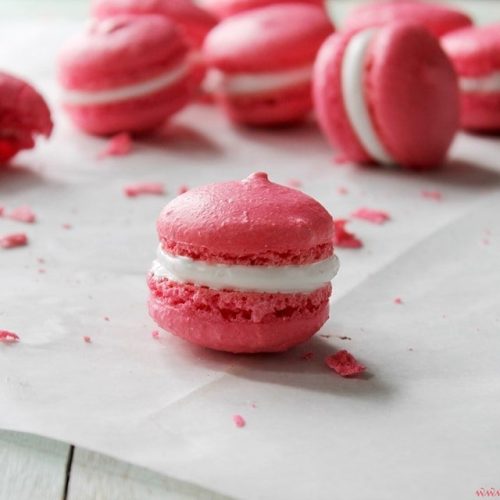
Delicate French Macarons with Marshmallow Frosting
Ingredients
Main Ingredients
- 5 large egg whites at room temperature
- 0.5 cup superfine sugar
- 1.75 cups almond flour
- 2 cups powdered sugar
- 2 large egg whites
- 0.25 teaspoon salt
- 0.25 cup granulated sugar
- 0.75 cup light corn syrup
- 1 teaspoon pure vanilla extract
Instructions
Preparation Steps
- Line three baking sheets with parchment paper and set aside.
- Place 5 egg whites in the mixer bowl and beat until frothy; gradually add superfine sugar and continue beating until stiff, glossy peaks form.
- Optional: Add a few drops of food coloring and gently mix until combined; set aside.
- Sift almond flour and powdered sugar together into a large bowl; mix thoroughly with a large spoon.
- Gently fold 1/4 of the meringue into the almond mixture using a rubber spatula; then continue folding in the remaining meringue until fully incorporated.
- Fit a piping bag with a 3/8-inch round tip and fill with the macaron batter.
- Pipe small rounds onto the prepared baking sheets.
- Let macarons dry at room temperature for 1 hour to form a skin.
- Preheat oven to 315°F (157°C).
- Bake macarons for 12 to 15 minutes, rotating the baking sheet halfway through. Cookies are done when they do not jiggle when touched on top.
- Remove macarons from oven and transfer to a cooling rack without removing from baking sheets. Let cool completely.
- Meanwhile, prepare the marshmallow frosting by beating 2 egg whites and salt in a small bowl until foamy.
- Gradually add 1/4 cup sugar to the egg whites, beating until soft peaks form.
- Microwave light corn syrup on high for 1.5 to 2 minutes until boiling.
- Slowly pour hot corn syrup into egg whites, beating until the mixture becomes stiff and glossy.
- Add vanilla extract and beat to combine thoroughly.
- Once macarons have cooled, pipe about 0.5 teaspoon of marshmallow frosting onto half of the macaron shells, then sandwich with the other halves.
- Store assembled macarons in an airtight container in the refrigerator and let rest for 24 hours before serving.