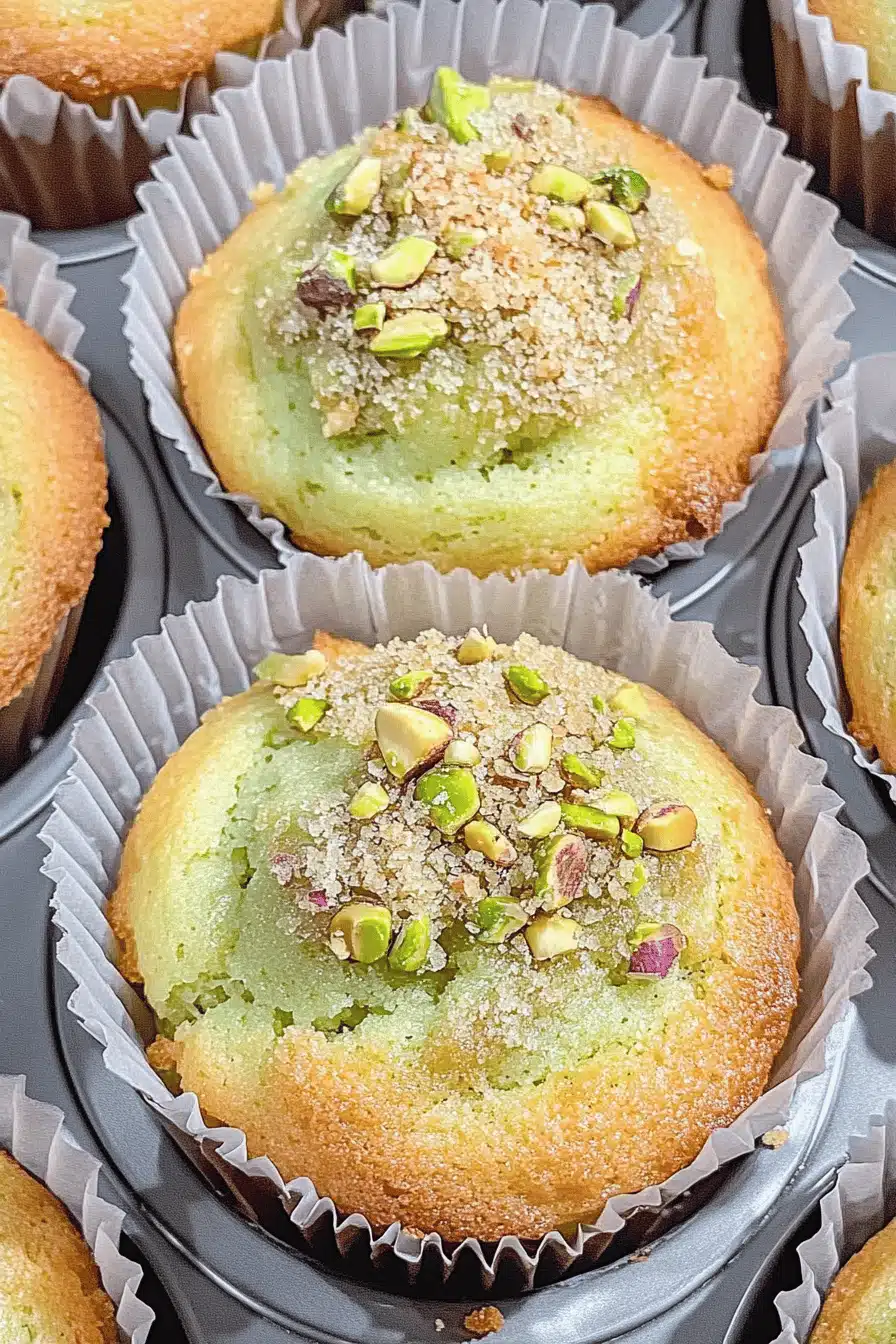
english muffins

Oh, the humble english muffin. For the longest time, my experience with them was limited to those pre-packaged discs that you have to rip open with a bit of force, only to find they’re a little too pale and taste vaguely like… well, cardboard. My grandmother used to make something that *approached* the real deal, but even then, they were more like little bready rounds. Then, a few years ago, I stumbled upon a recipe that completely revolutionized my understanding of what an english muffin could be. I’m talking about those golden, craggy beauties with the perfect nooks and crannies, the ones that just *beg* for a slathering of butter and a dollop of jam. This recipe is the one. It’s the reason I’ve stopped buying them altogether. It’s not a difficult recipe, not at all, but it does require a little patience, and trust me, the payoff is immense. It’s like discovering that your favorite childhood cereal actually tastes better if you toast it first. Pure magic! If you’ve ever felt a pang of disappointment biting into a store-bought english muffin, you’re in for such a treat. This is my go-to when I want something truly special without the fuss of a complicated bake.
What is an English muffin?
So, what exactly *is* an english muffin, beyond just a breakfast bread? Think of it as a yeasted flatbread that’s traditionally cooked on a griddle, giving it that signature shape and texture. Unlike its American cousin, the thicker, cake-like muffin, the english muffin is meant to be split horizontally with a fork, creating those delightful nooks and crannies that are perfect for soaking up butter, jam, or any other topping you can dream up. The name itself hints at its origin, and while the exact history is a bit fuzzy, they’ve been a beloved breakfast staple in Britain for ages. They’re not dense like a bagel, nor are they airy like a sandwich roll. They sit in this perfect middle ground – chewy, slightly crisp on the outside when toasted, and wonderfully tender on the inside. It’s essentially a delightful little canvas for all your favorite breakfast fixings!
Why you’ll love this recipe?
I know you will love this recipe, but I know you will too.flavor is just out of this world. Forget bland and boring; these english muffins have a subtle sweetness from the yeast and a wonderful, slightly toasty undertone from the griddling. They taste so much richer and more satisfying than anything you can find in a plastic bag. Then there’s the simplicity. Now, I know yeast can sometimes seem intimidating, but this recipe is surprisingly forgiving. It’s mostly hands-off time, letting the dough do its thing. You’ll mix it, let it rise, shape it, let it rise again, and then cook it. That’s it! It’s way easier than you might think, and the result is so impressive. Plus, it’s incredibly cost-effective. Flour, yeast, a little milk and sugar – these are pantry staples that won’t break the bank, especially when you compare the cost to buying a dozen high-quality english muffins. But what really seals the deal for me is the versatility. Sure, they’re divine toasted with butter and jam, but I’ve also used them as the base for the most epic Eggs Benedict you can imagine, or even as a quick base for mini pizzas when the kids are clamoring for something fun and fast. They’re also fantastic with a swipe of cream cheese and smoked salmon for a more sophisticated bite. What I love most about this recipe is that it takes something so ordinary and elevates it into something truly special, making any morning feel like a treat.
How do I make English muffins?
Quick Overview
This recipe is all about patience and a gentle touch. We’ll be creating a simple, soft dough that rises beautifully, which we’ll then shape into discs and cook on a griddle until golden brown. The key is not to rush the rising times, allowing the yeast to work its magic, and then to cook them at a medium heat so they brown nicely without burning. It’s a two-rise process, followed by a gentle griddling, and then a final bake to ensure they’re cooked through. The result is a batch of the most wonderfully textured english muffins you’ve ever tasted, ready to be split and slathered with your favorite toppings.
Ingredients
For the Main Batter:
Here’s what you’ll need to get started on these beauties. I always recommend using good quality bread flour if you can find it; it really does make a difference in the chewiness and structure. And for the yeast, make sure it’s fresh! Expired yeast is a recipe for sad, flat muffins. A little bit of sugar helps feed the yeast and gives a touch of sweetness, and salt is crucial for flavor. Warm milk is key for activating the yeast – not too hot, or you’ll kill it, and not too cold, or it won’t wake up properly. Around 105-115°F (40-46°C) is perfect. And of course, a good bit of butter for richness and a lovely tender crumb.
- 1 ½ cups warm milk (105-115°F / 40-46°C)
- 2 ¼ teaspoons active dry yeast (one standard packet)
- 2 tablespoons granulated sugar
- 4 ½ cups bread flour, plus more for dusting
- 1 ½ teaspoons salt
- 4 tablespoons unsalted butter, softened
For the Griddling/Baking Surface:
You don’t need anything fancy here, just something to give them that classic cooked-on-both-sides texture. I usually use a cast-iron griddle or a heavy-bottomed skillet, but a non-stick pan works too. A little bit of oil or butter to prevent sticking is all you need.
- Butter or neutral oil for greasing the griddle/pan
For the Finishing Touch (Optional but Recommended!):
Once they’re out of the oven, a little brush of melted butter adds that final sheen and flavor. Some people like to do this before baking, but I find a quick brush right after they come out of the oven gives them a lovely gloss and keeps them from drying out.
- 2 tablespoons unsalted butter, melted
Step-by-Step Instructions
Step 1: Preheat & Prep Pan
First things first, let’s get our griddle or large skillet ready. You’ll want to heat it over medium heat. We’re not going for scorching hot here; we want a nice, gentle heat that will cook the muffins through without burning them. Lightly grease your griddle or skillet with a little butter or oil. I usually do this with a paper towel, just a thin coating. Set aside.
Step 2: Mix Dry Ingredients
In a large mixing bowl, whisk together the bread flour, salt, and sugar. Give it a good stir to make sure everything is evenly distributed. This is a simple step, but it ensures that your salt and sugar are mixed throughout the dough, which is important for consistent flavor and yeast activity. Don’t skip this!
Step 3: Mix Wet Ingredients
In a separate bowl or a large measuring cup, pour in your warm milk. Sprinkle the active dry yeast over the top. Let it sit for about 5 to 10 minutes. You’ll see it start to get foamy and bubbly – that’s your sign that the yeast is alive and ready to get to work! If it doesn’t foam, your yeast might be old, or the milk might have been too hot or too cold. You’ll need to start over with fresh yeast. Once foamy, whisk in the softened butter until mostly melted.
Step 4: Combine
Now, pour the wet ingredients into the bowl with the dry ingredients. Mix everything together with a wooden spoon or a spatula until a shaggy dough forms. It will be pretty sticky at this stage, and that’s exactly what we want. Turn the dough out onto a lightly floured surface. Knead the dough for about 6-8 minutes. You’re looking for a smooth, elastic dough that springs back when you gently poke it. Don’t be tempted to add too much extra flour while kneading, as this can make the muffins tough. Just a little bit on your hands and the surface is fine. If it feels too wet after a few minutes of kneading, add a tablespoon of flour at a time until it’s manageable.
Step 5: Prepare Filling
This recipe doesn’t really have a “filling” in the traditional sense, but this step is about preparing the environment for the dough to develop. Lightly grease a large baking sheet or a large piece of parchment paper and place it on your counter. This is where the shaped muffins will rest and rise before cooking. Having it ready means you can move quickly once the dough is shaped.
Step 6: Layer & Swirl
This is where we shape our english muffins! Lightly flour your hands and your work surface. Take your kneaded dough and gently pat or roll it out to about ½ inch thickness. Use a round cookie cutter (about 3 inches in diameter) or a floured rim of a glass to cut out your english muffin shapes. You can gently gather the scraps, re-roll them, and cut out more shapes. Place the cut-out rounds onto your prepared baking sheet, leaving a little space between them. Cover them loosely with plastic wrap or a clean kitchen towel and let them rise in a warm place for about 45-60 minutes, or until they’ve nearly doubled in size. They should look puffy and soft.
Step 7: Bake
Once the muffins have had their second rise, it’s time to cook them! Carefully place a few of the risen dough rounds onto your preheated, lightly greased griddle or skillet. You don’t want to overcrowd the pan. Cook them for about 3-5 minutes per side, until they’re beautifully golden brown. They should have a nice crust. You might need to adjust the heat slightly if they’re browning too quickly or too slowly. Don’t worry if they’re not fully cooked through yet; they’ll finish in the oven.
Step 8: Cool & Glaze
Transfer the griddled english muffins to a baking sheet and place them in a preheated oven at 375°F (190°C). Bake for another 8-10 minutes, or until they sound hollow when tapped on the bottom and are cooked through. Immediately after they come out of the oven, brush the tops with melted butter. This gives them a lovely sheen and extra flavor. Let them cool on a wire rack for at least 10-15 minutes before slicing. This is important for the texture to set properly.
Step 9: Slice & Serve
Here’s the crucial part: use a fork to split your english muffin. Don’t cut it with a knife! Gently poke your fork around the edge and then twist. This is what truly creates those wonderful nooks and crannies that make english muffins so special. Serve them warm with your favorite toppings. They are absolutely divine toasted again after splitting, just to get that crisp exterior!
What to Serve It With
Oh, the possibilities are endless when it comes to serving these homemade english muffins! They truly are the MVP of breakfast and brunch, but don’t stop there.
For Breakfast: My absolute favorite is a classic. Toast it, slather on some good quality butter (I love a cultured butter if I can get it!), and a generous dollop of raspberry jam. It’s simple, it’s perfect, and it’s what I grew up with. A good cup of strong black coffee is the only beverage needed here. For something a little more substantial, top with a perfectly fried egg and a sprinkle of chives.
For Brunch: This is where they really shine! They are the absolute best base for eggs benedict. Forget those sad, pre-made muffins that can’t hold sauce; these beauties soak up that hollandaise like a dream. You can also make mini breakfast sandwiches with them, layering on a sausage patty, a slice of cheese, and a fried egg. Serve with a glass of fresh orange juice or a mimosa.
As Dessert: Don’t knock it ’til you try it! Split a warm english muffin, toast it lightly, and top with a scoop of vanilla Ice Cream, a drizzle of chocolate sauce, and maybe some fresh berries. It’s like a deconstructed muffin sundae and it’s surprisingly delicious. It’s also wonderful with a smear of Nutella or cookie butter.
For Cozy Snacks: On a rainy afternoon, there’s nothing better than a warm english muffin toasted and topped with just a bit of honey or cinnamon sugar. It’s the ultimate comfort food. My kids also love them with Peanut Butter and banana slices. They’re so easy to whip up when a craving strikes!
Top Tips for Perfecting Your English Muffins
I’ve made these english muffins more times than I can count, and over the years, I’ve picked up a few tricks that I think really make a difference. Here are my top tips to help you achieve bakery-worthy results right in your own kitchen:
Dough Consistency is Key: The dough should be soft and a little sticky. Don’t be tempted to add too much flour when kneading. A sticky dough often leads to a lighter, airier crumb. If it’s too dry, your muffins might turn out dense. I learned this the hard way when my first batch was like little hockey pucks!
Gentle Handling is a Must: When you’re shaping the dough and pressing it into rounds, be gentle. You want to develop that gluten structure during kneading, but once it’s shaped, avoid overworking it. The second rise is crucial for that light, airy texture. Also, when you’re splitting them, remember to use a fork. The ragged edge created by the fork is what gives you those amazing nooks and crannies. A knife cuts too cleanly and you lose that texture.
Griddle Temperature Matters: Medium heat is your best friend here. If the heat is too high, the outside will burn before the inside cooks. If it’s too low, they won’t get that lovely golden-brown crust. My cast iron griddle is perfect for this because it distributes heat so evenly. You might need to experiment with your own stovetop to find that sweet spot.
Don’t Overcrowd the Pan: Give your english muffins enough space on the griddle to puff up and cook evenly. Trying to cram too many in will lower the pan temperature and result in uneven cooking.
The Final Oven Bake: That short stint in the oven after griddling is important for ensuring they’re cooked through. It also helps to dry them out just slightly, giving them that perfect structure for toasting later. Make sure your oven is preheated properly before they go in.
Storage is Simple but Important: Once completely cool, store them in an airtight container or a zip-top bag at room temperature for up to 3 days. For longer storage, they freeze beautifully. Just wrap them well to prevent freezer burn. I like to freeze them in batches so I can just pull one or two out whenever the craving strikes.
Ingredient Swaps: While I swear by bread flour for the best chew, all-purpose flour can be used in a pinch. You might need slightly less of it, and the texture will be a little less chewy. For the milk, if you’re out of dairy, unsweetened almond milk or oat milk works surprisingly well! I’ve tested this with almond milk and it actually made it even creamier!
Storing and Reheating Tips
Storing these homemade english muffins is straightforward, but doing it right ensures they stay delicious for days. My goal is always to maintain that lovely soft interior and the potential for a crisp toast.
Room Temperature: Once your english muffins are completely cooled (and this is key – warm muffins will steam and get soggy in storage), you can store them in an airtight container or a heavy-duty zip-top bag at room temperature for up to 3 days. I’ve found that if I don’t seal them properly, they can dry out a bit quickly, so make sure that container or bag is truly airtight. They’re best enjoyed within the first two days, in my opinion.
Refrigerator Storage: While not strictly necessary for short-term storage, you can refrigerate them if your kitchen is particularly warm or humid. Place them in an airtight container. They’ll typically last for about 4-5 days in the fridge. However, I find that refrigeration can sometimes make the texture a little chewier, so I tend to avoid it unless absolutely necessary. If you do refrigerate them, you might want to give them a quick toast to revive their texture.
Freezer Instructions: This is where these muffins really shine for long-term storage. Once completely cooled, wrap each english muffin individually and tightly in plastic wrap, then place them inside a freezer-safe zip-top bag or an airtight container. They’ll stay fresh and delicious in the freezer for up to 3 months. To thaw, I usually just pull out what I need and let them come to room temperature on the counter for an hour or two. They’re also fantastic straight from frozen if you toast them on a low setting to allow them to heat through before they get crispy.
Glaze Timing Advice: I recommend adding the melted butter topping *after* they come out of the oven and before they cool. This helps seal in moisture and adds a lovely sheen. If you plan to freeze them, I’d still do this step before freezing. When you’re ready to eat them, a quick toast will bring back the freshness and crispness, and you can always add a little extra butter or your favorite spread then.
Frequently Asked Questions
Final Thoughts
Honestly, there’s nothing quite like pulling a batch of these homemade english muffins out of the oven. The smell alone fills the kitchen with such warmth and anticipation. They truly are a labor of love, but a manageable one, and the satisfaction you get from splitting one open, revealing all those glorious nooks and crannies, is immense. They’re a testament to how simple ingredients and a little bit of patience can create something truly extraordinary. If you’ve been hesitant about baking with yeast, I really encourage you to give this recipe a try. It’s a fantastic starting point!
If you enjoyed this recipe and are looking for more breakfast inspiration, you might also like my fluffy buttermilk pancakes or my quick and easy Cinnamon Rolls. They’re all favorites in my home! I can’t wait to hear what you think of these english muffins. Please leave a comment below and let me know how yours turned out, or share your favorite way to enjoy them! Happy baking!