
Easy Guinness Soda Bread So Good

Every time I bake this Guinness soda bread, I’m flooded with warm memories of cozy evenings spent with family, the house filled with the earthy aroma of the stout mingling with the comforting scent of fresh bread. If you know me, you know I’m a sucker for traditional soda bread—simple, rustic, and no-fuss. But when I first experimented by adding Guinness, it was like a delicious secret whispered through every crumb. Imagine your classic soda bread, but richer, a little darker, with a subtle maltiness that catches you off guard—in the best way possible. I always joke that this version has more personality than your average loaf, making it the perfect partner for hearty stews or just a dab of butter on a rainy morning. If you’ve tried soda bread before and found it a bit too plain for your liking, this Guinness soda bread is here to shake things up (and maybe even make you a convert like me).
What is Guinness Soda Bread?
Think of Guinness soda bread as a fun and flavorful spin on the beloved Irish classic that’s been a kitchen staple for generations. Soda bread itself is essentially a quick bread, relying on baking soda and an acidic ingredient—in this case, Guinness stout—to do its lifting instead of yeast. The name comes from that traditional reaction, and the bread is typically hearty, crumbly, and packed with character. Adding Guinness not only stays true to the Irish roots but brings a darker hue and a subtle malt flavor that feels so comforting. It’s like a warm hug in bread form. No fancy techniques or hours needed; it’s just wholesome ingredients mashed together and baked into something rustic and beautiful. It’s approachable for any home cook, whether soda bread is your go-to or an occasional adventure.
Why you’ll love this recipe?
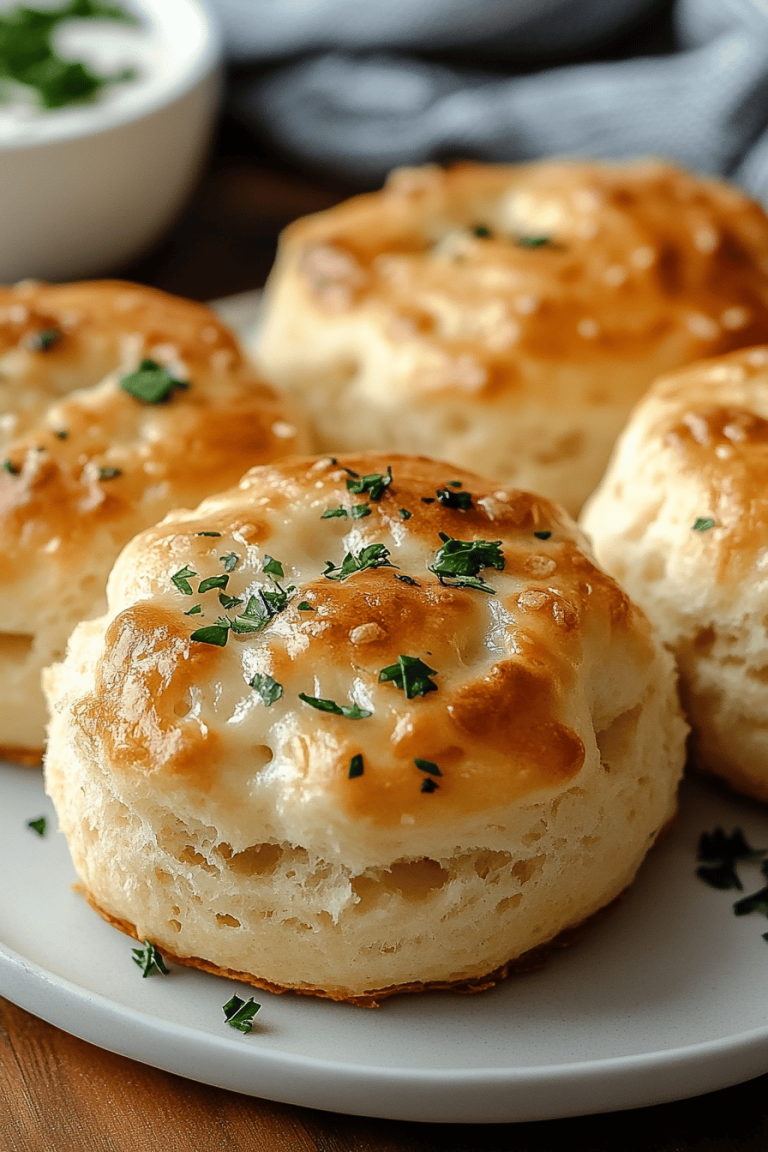
What I love most about this Guinness soda bread is how it nails the balance between rich flavor and effortless simplicity. First off, the taste—there’s this wonderful depth the Guinness lends that plain soda bread doesn’t quite have. It’s malty with a slightly bittersweet undertone, but still mild enough to pair beautifully with just about anything, from breakfast to dinner. Plus, it’s got that lovely crusty exterior and a tender, moist crumb inside, which makes it perfect for slicing thick and slathering with your favorite jam or butter.
Another thing? It’s incredibly easy to make. Like, even if you’re not much of a baker, this recipe won’t intimidate you. No kneading or fancy proofing—just mixing, shaping, and baking. And since the ingredient list is straightforward (flour, baking soda, Guinness, buttermilk, a touch of sugar), it won’t hurt your wallet either. It’s a no-fail way to enjoy that fresh-baked bread goodness without any fuss.
This one’s also surprisingly versatile. I often serve it with eggs and smoked salmon for brunch, alongside a hearty stew on colder nights, or just as a quick snack toasted with butter and a drizzle of honey. I’ve even used it to make a rustic sandwich when I needed something a bit more sturdy than a regular loaf. Honestly, my family can’t get enough. It’s replaced regular soda bread as my “go-to” whenever I want something different but with that lovely Irish nod. If you’ve loved my other bread recipes or even my Guinness chocolate cake, you’ll find this bread hits a perfect sentimental and flavor note.
How do I make Guinness Soda Bread?
Quick Overview
This Guinness soda bread is a breeze to make—no yeast, no rising time, just a straightforward mixing process that lets the ingredients shine. The magic happens as the baking soda reacts with the acidic Guinness and buttermilk, giving you a beautifully risen loaf with a wonderfully tender crumb. The trickiest part? Just making sure not to overwork the dough, so your bread stays light and fluffy. From mixing to pulling it out of the oven, it takes about an hour—perfect for a weekend baking session or when you need a last-minute homemade bread fix.
Ingredients
For the Main Batter:
- 3 ½ cups all-purpose flour (I like to use unbleached for better flavor and texture)
- 1 tsp baking soda (fresh is key here to get a good rise)
- 1 tsp salt (don’t skip this; it brings all the flavors together)
- 1 tbsp sugar (balances the bitterness of Guinness beautifully)
- 1 ¼ cups Guinness stout (room temperature is best — trust me, it wakes the bread up)
- ½ cup buttermilk (adds tenderness and reacts perfectly with the baking soda)
For the Filling:
- Optional: ½ cup shredded sharp cheddar cheese (for a savory, melty surprise)
- Optional: ½ cup chopped fresh herbs like parsley or chives (adds freshness and color)
For the Glaze:
- 2 tbsp melted butter (for brushing warm bread to get that shiny crust)
- Optional: pinch of sea salt or a sweep of honey for sweetness
Step-by-Step Instructions
Step 1: Preheat & Prep Pan
Set your oven to 375°F (190°C) and grab a baking sheet lined with parchment paper or a lightly greased cast iron skillet. Getting the oven fully heated helps with that lovely crust, and the skillet can add some rustic charm to the loaf.
Step 2: Mix Dry Ingredients
In a large bowl, whisk together the flour, baking soda, salt, and sugar until they’re evenly combined. This step avoids any clumps and ensures the rising agents are well distributed, which means no weirdly dense spots later on.
Step 3: Mix Wet Ingredients
Pour the Guinness and buttermilk into a measuring cup and gently stir to combine. They should be at room temp for the best reaction with the soda. If you’re adding cheese or herbs, set them aside until the dough is ready.
Step 4: Combine
Make a well in the center of the dry ingredients and pour in the wet mixture. Using a wooden spoon or your hands, gently mix just until everything comes together into a shaggy dough. It’ll be sticky—that’s normal. The key here is not to overmix because too much stirring can make the bread tough.
Step 5: Prepare Filling
If you’re going for the cheddar and herb version, fold them into the dough now, spreading evenly but carefully so your bread swirls won’t collapse. You could also save a little cheese for sprinkling on top before baking if you like a golden crust.
Step 6: Layer & Swirl
Turn the dough out onto a floured surface and gently pat it into a rough round, about 8 inches in diameter. If you want a more artistic swirl, you can fold the dough over itself once or twice to create light layers. Transfer the dough to your baking sheet or skillet. Then, using a sharp knife, score a deep cross on the top—this isn’t just tradition, it helps the bread bake evenly.
Step 7: Bake
Pop the bread in the oven and bake for about 45–50 minutes. You’ll know it’s done when the crust is golden-brown and crisp, and tapping the bottom sounds hollow. If you’re unsure, a toothpick inserted should come out mostly clean, maybe a few crumbs but no raw dough.
Step 8: Cool & Glaze
Once out of the oven, immediately brush the top with melted butter. It gives the crust that irresistible shine and softens it just enough. Let the bread cool on a rack for at least 20 minutes before slicing—this really helps the crumb set and makes cutting a breeze.
Step 9: Slice & Serve
Slice with a serrated knife to avoid squishing the crumb. Serve it warm with butter or alongside your favorite stew or soup. That first bite, warm bread with the malty undertones of Guinness—it’s something you’ll want to savor.
What to Serve It With
For Breakfast: Nothing beats a slice of this Guinness soda bread toasted with a smear of Irish butter and a drizzle of honey. Pair it with a strong cup of black coffee or a creamy latte, and you’re set for a comforting morning.
For Brunch: Set it alongside smoked salmon, cream cheese, and capers for a delightful Irish-inspired spread. A chilled glass of sparkling cider or a light pilsner really complements the bread’s maltiness.
As Dessert: I’ve served this with a spread of marmalade or even a soft cheese and a handful of fresh berries. The slight sweetness in the bread makes it pair beautifully with something creamy or fruity after dinner.
For Cozy Snacks: When life’s hectic, my kids love it simply toasted with butter and a sprinkle of cinnamon sugar while curled up with a good book or a movie. It’s such a comforting little treat that disappears in minutes at my house.
In my family, this bread often finds its way to the table alongside bowls of hearty Irish stew or beef and Guinness casserole—talk about a match made in heaven. The bread’s dense crumb soaks up those rich, savory flavors perfectly.
Top Tips for Perfecting Your Guinness Soda Bread
Flour Choice: I’ve discovered that swapping a portion of the all-purpose flour for whole wheat adds a lovely nuttiness, but keep it moderate (about 1 cup whole wheat to 2 ½ cups all-purpose) so the bread still rises beautifully.
Mixing Advice: Resist the urge to overmix once the wet and dry ingredients come together. I learned this the hard way after one batch turned out brick-like. Gently folding just until combined keeps the crumb tender and light.
Swirl Customization: For a prettier swirl, try folding the dough lightly before shaping into a round. Don’t overdo it though—too much folding compresses the air pockets and will make the bread denser.
Ingredient Swaps: Out of Guinness? Stout beers of similar body work well too, or even a dark ale. For a non-alcoholic option, use a mixture of root beer and buttermilk, though the flavor won’t be quite the same.
Baking Tips: Every oven’s a bit different—if your bread’s crust is browning too quickly but the inside isn’t set, tent it with foil halfway through baking. And always bake on the middle rack for even heat distribution.
Glaze Variations: Instead of melted butter, brush with a honey and mustard glaze for a tangy kick, or dust with powdered sugar for a slight sweet contrast. I sometimes add a pinch of smoked paprika to the butter for an unexpected smoky note.
I’ve made this bread countless times, refining details like the sugar level and resting time. Letting it sit for 10 minutes before baking helps the ingredients meld, and trust me: it’s worth it.
Storing and Reheating Tips
Room Temperature: Store leftover bread wrapped tightly in a tea towel or inside a bread box to keep the crust crisp yet the crumb moist. It’ll stay fresh for about 2 days at room temp, though it’s best enjoyed sooner.
Refrigerator Storage: I usually avoid refrigerating bread as it can dry it out, but if you must, store it in an airtight container for up to 5 days. Just be sure to warm it slightly before serving to bring back some softness.
Freezer Instructions: Guinness soda bread freezes surprisingly well! Once completely cooled, double-wrap in plastic wrap and foil, then freeze for up to 3 months. When you’re ready, thaw overnight in the fridge or at room temperature, then toast or warm in the oven to revive that fresh-baked sensation.
Glaze Timing Advice: Brush the glaze right after baking when the bread is hot so it soaks in and adds shine. If storing, hold off on glazing until just before serving to keep the crust from getting soggy.
I’ve found these storage tips really help maintain the bread’s wonderful texture and keep it tasting as fresh as the day it came out of the oven.
Frequently Asked Questions
Final Thoughts
Honestly, this Guinness soda bread has become one of my kitchen staples because it’s just so darn satisfying. It brings a bit of Ireland to my countertop, with every bite reminding me why simple ingredients, given a tiny twist, can create something truly special. Whether it’s for weekend baking or a last-minute craving, this bread feels like an old friend you’re happy to welcome any time. If you love rustic bread and a little flavor adventure, I can’t recommend this enough. I’d love to hear how yours turns out—don’t be shy to share your tweaks or moments enjoying it around your own table. Happy baking, friends!