Chinese hot sour soup

There are some dishes that just feel like a warm hug on a chilly evening, and for me, that dish is Chinese hot sour soup. I remember begging my mom to make it when I was a kid, especially after a long day at school. The aroma that filled our tiny kitchen – that tangy, spicy, savory symphony – was enough to make my stomach rumble with anticipation. It’s funny, I’ve tried so many versions over the years, from fancy restaurant renditions to quick takeout fixes, but none ever quite captured that comforting, perfectly balanced magic of my mom’s. This Chinese hot sour Soup Recipe is my attempt to recreate that magic, and honestly, I think I’ve finally nailed it. It’s got that signature zing, that satisfying depth of flavor, and it’s surprisingly simple to whip up, even on a weeknight. If you’re anything like me and love a soup that wakes up your taste buds, you’re going to adore this.
What is hot soup?
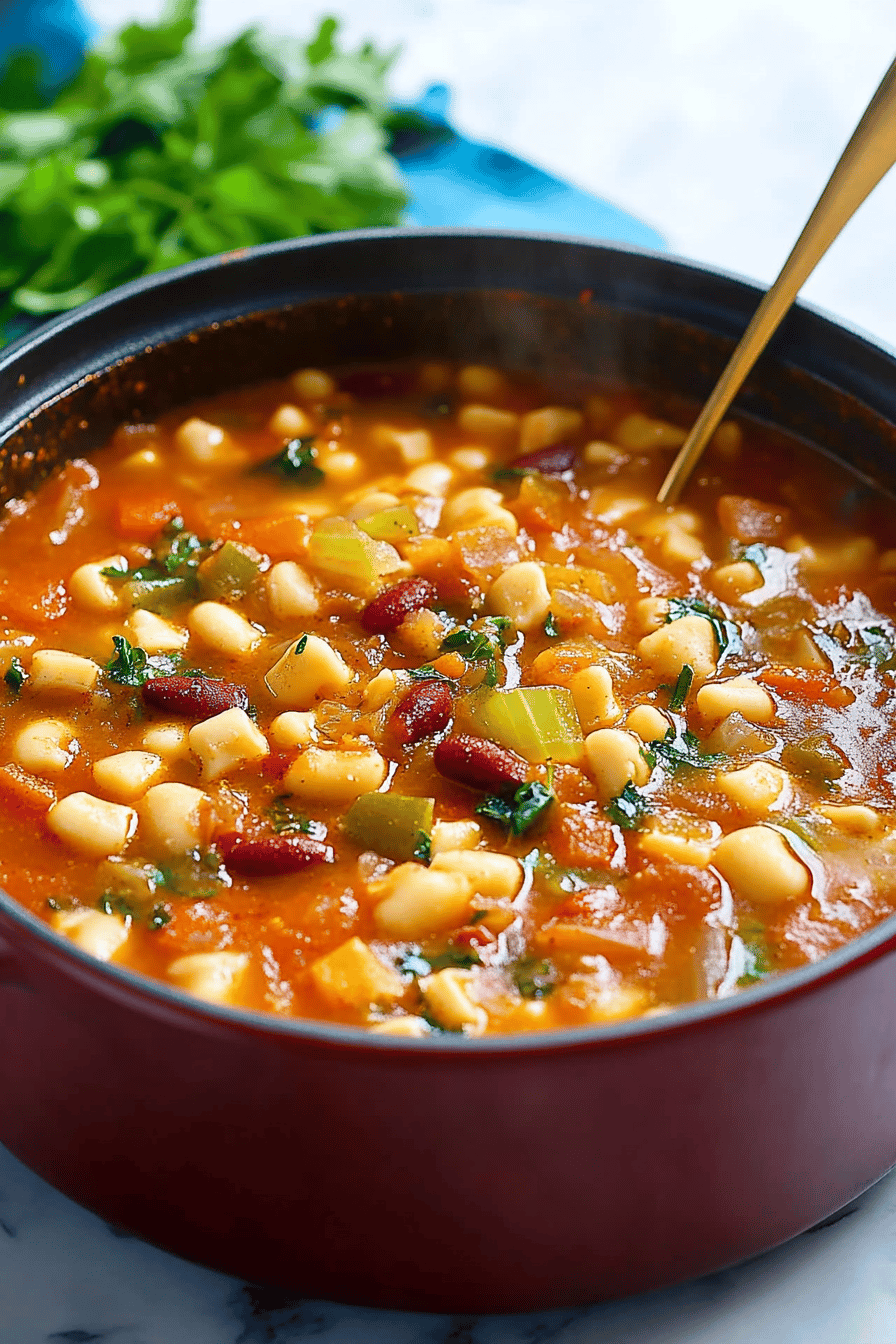
So, what exactly is Chinese hot sour soup? At its heart, it’s a flavorful broth that’s a delightful dance between spicy and sour, hence the name! Think of it as the ultimate flavor rollercoaster for your palate. It’s not just about heat and tang, though; there’s a beautiful umami richness that comes from ingredients like soy sauce and sometimes mushrooms. It’s typically loaded with goodies like silken tofu, shiitake mushrooms, bamboo shoots, and often a sprinkle of egg ribbons. The “hot” usually comes from white pepper, giving it a distinct, clean heat that’s different from chili. The “sour” typically comes from rice vinegar. It’s this incredible balance that makes it so addictive. It’s less about being overpoweringly spicy or sour, and more about that perfect harmony where each flavor plays its part. It’s a classic for a reason, a staple in Chinese cuisine that’s both comforting and invigorating.
Why you’ll love this recipe?
Honestly, there are so many reasons this Chinese hot sour soup recipe has become a go-to in my kitchen. First and foremost, the flavor. It’s just… spectacular. You get that initial hit of tangy vinegar, followed by a gentle warmth from the white pepper, and then this deep, savory satisfaction that coats your tongue. It’s complex without being complicated. And speaking of complicated, this recipe is surprisingly straightforward. I used to think making authentic-tasting soup like this was a huge ordeal, but I’ve streamlined it over time. You can have a pot of this deliciousness ready in under an hour, which is a lifesaver on busy nights when everyone’s starving and I haven’t had a chance to plan much. Plus, it’s incredibly budget-friendly! Most of the ingredients are pantry staples or easily found at any grocery store. You don’t need fancy, expensive items to create something truly delicious. What I love most about this particular version is its versatility. It’s perfect as a starter for a big Chinese feast, or on its own for a light, satisfying meal. I often find myself craving a big bowl of it when I’m feeling a bit under the weather; it just feels so nourishing. If you enjoy other flavorful brothy soups like my easy Chicken Noodle Soup, you’ll likely appreciate the comforting yet exciting profile of this hot sour soup. It’s truly a winner.
How do I make Chinese hot soup?
Quick Overview
Making this Chinese hot sour soup is a straightforward process that focuses on building layers of flavor. We’ll start by creating a savory broth base, then add in our textural elements like tofu and mushrooms, and finally, we’ll achieve that signature hot and sour balance. The key is not to rush the simmering and to get the seasoning just right at the end. It’s a recipe that rewards patience just a little bit, but even if you’re in a hurry, it comes together beautifully. Trust me, the result is so worth it!
Ingredients
For the Broth Base:
8 cups chicken broth (low sodium is best so you can control the salt)
2 tablespoons soy sauce
1 tablespoon rice vinegar (don’t skimp here, it’s key for that sour punch!)
1 teaspoon sesame oil
1/2 teaspoon ground white pepper (this is crucial for the specific heat!)
1/4 teaspoon sugar (just a pinch to round out the flavors)
For the Filling:
1 (14-ounce) package silken tofu, drained and cut into 1/2-inch cubes
4-6 dried shiitake mushrooms, rehydrated and thinly sliced (reserve the soaking liquid!)
1/2 cup sliced bamboo shoots (canned is fine, just drain them well)
1/4 cup thinly sliced wood ear mushrooms (if you can find them, they add a great texture!)
For Thickening and Egg Swirl:
2 tablespoons cornstarch
1/4 cup cold water
2 large eggs, lightly beaten
2 tablespoons chopped green onions (for garnish)
Step-by-Step Instructions
Step 1: Prepare the Broth
In a large pot or Dutch oven, combine the chicken broth, soy sauce, rice vinegar, sesame oil, white pepper, and sugar. Bring this mixture to a simmer over medium heat. Don’t let it boil vigorously, just a gentle simmer is perfect for melding the flavors.
Step 2: Add Mushrooms and Bamboo Shoots
Once the broth is simmering, add your rehydrated and sliced shiitake mushrooms, sliced bamboo shoots, and wood ear mushrooms (if using). Let these simmer for about 5-7 minutes. This allows the flavors from the mushrooms to infuse into the broth, and the vegetables to soften slightly.
Step 3: Introduce the Tofu
Gently add the cubed silken tofu to the pot. Be careful not to break it up too much. Allow the tofu to heat through in the simmering broth for another 3-5 minutes. The tofu will absorb some of the delicious broth flavors.
Step 4: Create the Thickening Slurry
In a small bowl, whisk together the cornstarch and cold water until smooth. This is your slurry. It’s important to use cold water; it helps prevent lumps.
Step 5: Thicken the Soup
Slowly drizzle the cornstarch slurry into the simmering soup while stirring constantly. Keep stirring until the soup begins to thicken. It should reach a nice, slightly viscous consistency, not too thick, not too thin. You might not need all the slurry, so add it gradually until you reach your desired thickness.
Step 6: Add the Egg Swirl
Once the soup has thickened, reduce the heat to low. Slowly pour the beaten eggs into the soup in a thin, steady stream while gently stirring the soup in a circular motion with a fork or chopsticks. This creates those beautiful, delicate egg ribbons. Don’t over-stir, or you’ll end up with tiny egg pieces instead of ribbons.
Step 7: Adjust Seasoning
This is the most important step for getting that perfect hot sour soup flavor! Taste the soup. Does it need more tang? Add a splash more rice vinegar. Need more heat? A tiny pinch more white pepper. Not savory enough? A touch more soy sauce. The goal is balance. It should have a noticeable but not overwhelming sourness and a pleasant warmth that lingers. Adjust until it tastes just right to YOU.
Step 8: Garnish and Serve
Ladle the hot soup into bowls immediately. Garnish generously with chopped green onions. Serve piping hot. The aroma alone is incredible!
What to Serve It With
This Chinese hot sour soup is so versatile, it can fit into so many meal scenarios! For a classic starter, it’s the perfect opening act for a more elaborate Chinese meal. Think of serving it alongside some crispy spring rolls or savory potstickers. On its own, it’s a fantastic light lunch or dinner. I often pair it with some steamed or fried rice, or even some simple stir-fried noodles. For a truly cozy evening, a big bowl of this with a side of Garlic Bread (yes, I know, unconventional, but it works!) is pure comfort. My kids love it with some plain white rice; they say it’s like a comforting savory porridge. For a more adventurous pairing, try it with some crusty bread for dipping – the contrast between the tangy soup and the chewy bread is surprisingly delicious. If you’re looking for something lighter, a simple side salad with a ginger-sesame dressing complements the flavors wonderfully.
Top Tips for Perfecting Your Chinese Hot Sour Soup
Over the years, I’ve learned a few tricks that really make a difference in getting this Chinese hot sour soup just right. First, for the mushrooms: rehydrate dried shiitakes in hot water for at least 30 minutes. Once they’re plump, don’t throw away that soaking liquid! Strain it through a fine-mesh sieve or cheesecloth – it’s packed with amazing umami flavor and can be added to the broth for an extra depth of taste. When it comes to the tofu, silken is really the way to go for that delicate texture, but handle it with care. If you’re worried about it breaking apart, you can even add it in the last minute of simmering, right before the egg swirl. My biggest tip for the “hot” is using white pepper. It gives a different kind of heat than Black Pepper or chili flakes – it’s more aromatic and clean. Don’t be tempted to use too much, or it can become overpowering. For the “sour,” rice vinegar is essential. White distilled vinegar is too harsh, and apple cider vinegar will change the flavor profile. Stick to rice vinegar for that authentic tang. I’ve experimented with thickening the soup, and cornstarch is definitely the easiest and most reliable. Make sure your water is cold when you mix it with the cornstarch, and drizzle it in slowly while stirring constantly. This prevents lumps and ensures a smooth, glossy finish. And the egg swirl? The trick is to drizzle it in slowly while stirring the soup in a circular motion. If you just dump it in, you’ll get scrambled eggs, which isn’t quite the same delicate texture. Finally, tasting and adjusting seasoning at the end is non-negotiable. Every batch of broth can be slightly different, and your personal preference for hot and sour balance matters most. Don’t be afraid to tweak it until it’s perfect for you. I once accidentally used white wine vinegar and the soup was just *off* – lesson learned! Always stick to rice vinegar for that characteristic bright, clean sourness.
Storing and Reheating Tips
One of the best things about this Chinese hot sour soup is that it actually tastes even better the next day! When storing, let the soup cool down to room temperature before transferring it to an airtight container. It’s best to keep the green onions separate until you’re ready to serve. Refrigerated, this soup will stay delicious for about 3-4 days. The flavors really meld together beautifully overnight. When you’re ready to reheat, gently warm it on the stovetop over medium-low heat. Avoid boiling it vigorously, as this can make the tofu and egg ribbons a bit mushy. You might need to add a splash more broth or water if it has thickened too much overnight. If you want to freeze portions, I recommend doing so without the egg ribbons, as they can sometimes break down during freezing and thawing. Portion the cooled soup into freezer-safe containers or bags, leaving a little headspace. It can be frozen for up to 2-3 months. To reheat frozen soup, thaw it in the refrigerator overnight, then gently heat it on the stovetop. You can add fresh egg ribbons after reheating if you like. I usually find that it doesn’t need much adjustment after reheating, but a little taste to check for seasoning is always a good idea.
Frequently Asked Questions
Final Thoughts
There you have it – my absolute favorite Chinese hot sour soup! I truly hope you give this recipe a try. It’s more than just soup to me; it’s a taste of home, a bowl of comfort, and a reminder of how simple ingredients can create something truly spectacular. It’s got that perfect balance of zingy, savory, and warm flavors that just hits the spot every single time. It’s proof that you don’t need a ton of fancy techniques or rare ingredients to make an incredible dish. If you’re a fan of comforting, flavorful soups, I also think you might enjoy my recipe for Creamy Tomato Soup – it’s another one that’s a big hit in my family! I can’t wait to hear what you think of this hot sour soup. Please leave a comment below and let me know how yours turned out, or if you have any favorite variations! Happy cooking, and enjoy every slurp!