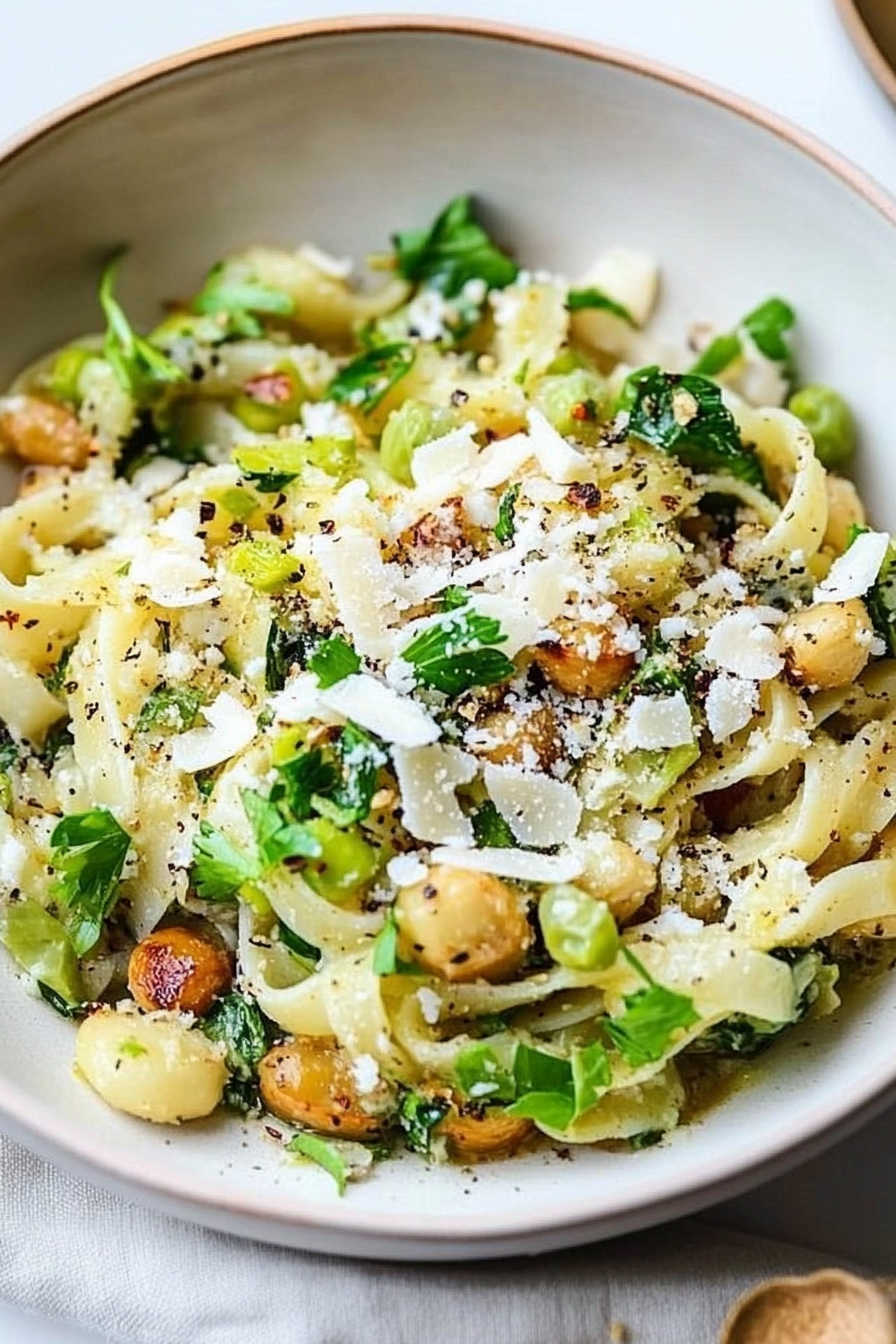
Cacio e Pepe

There’s something magical about a recipe that only needs a handful of ingredients but makes you feel like you’ve just eaten at a cozy little Roman trattoria. This Cacio e Pepe is exactly that kind of dish—a simple, comforting bowl of pasta that reminds me of the evenings I spent chatting with my nonna while she tossed noodles in a skillet, chatting about everything and nothing. It’s not unlike a classic carbonara but lighter and with a peppery punch that wakes up your whole palate. I always come back to this recipe on those evenings when I want something fast and satisfying but also kind of fancy—almost like a secret little dinner party you have with yourself. This pasta will fill your kitchen with the smell of toasted black pepper and creamy cheese that’s just begging to be shared. Honestly, it’s the kind of meal that’s perfect for when you want cozy without the fuss.
What is Cacio e Pepe?
Think of Cacio e Pepe as the simplest pasta dish you’ll ever love but also one that’s got that little zing of something special. The name itself literally means “cheese and pepper” in Italian, which is pretty much all you need for this genius plate. It’s essentially spaghetti (or sometimes tonnarelli, if you’re going old school Roman) tossed with pecorino romano cheese and a generous amount of cracked black pepper. What might surprise you is how this minimalist combo turns into something silky, savory, and just peppery enough to keep every bite exciting. It’s simple, approachable, and honestly, that’s what makes it endlessly charming. No heavy sauces, no fuss—just pasta, cheese, and pepper coming together in total harmony. This is the kind of recipe that feels fancy because it relies on perfect technique rather than a laundry list of ingredients, and honestly, it’s become a bit of a secret weapon in my kitchen.
Why you’ll love this recipe?
What I adore most about my Cacio e Pepe is how it hits all the right notes without making my life complicated. First off, the flavor is pure magic—the sharp, salty tang of pecorino combined with the warming spice of black pepper is something that just gets you every time. It’s got that comfort-food vibe but with a grown-up twist that I can’t resist. And honestly, it’s so unbelievably simple to pull off. Sometimes people get intimidated by the idea of “cheese sauce,” but this one’s basically a dance of the pasta water, cheese, and pepper clinging perfectly to your noodles. No heavy cream or butter here—just skill and patience.
Another reason this dish has a permanent spot in my rotation: it’s crazy budget-friendly. Pecorino and black pepper are pantry staples worth investing in, and the pasta is just your basic spaghetti or linguine. I love that you don’t need a ton of fancy ingredients to craft something that tastes truly special. Plus, it’s versatile enough to pair with everything from a simple green salad to roast chicken or even just crusty garlic bread on the side. I’ve also found it’s a great base for riffing on other simple pastas—like trying Pecorino with Parmesan or adding a sprinkle of chili flakes for a little heat. The kids surprisingly ask for this one a lot, too—it’s like a grown-up flavor that totally works for little ones when you dial down the spice a notch.
How do I make cacio e pepe?
Quick Overview
Making this Cacio e Pepe is like a little pasta magic trick. It’s mostly about getting your timing and technique just right so the cheese melts into a silky sauce using that precious starchy pasta water. The trick is to reserve enough pasta water and toss everything off-heat to avoid clumps or dryness. Seriously, if you’ve ever worried about combining cheese and water smoothly, this recipe will change the game for you. You don’t have to be a professional cook for this to come out tasting like a million bucks. It’s quick, straightforward, and perfect when you want comfort food without the usual hour-long hassle.
Ingredients
For the Pasta:
- 12 oz spaghetti or tonnarelli (fresh is ideal but dried works beautifully too)
- Salt for pasta water (don’t skimp—this flavors your noodles from the inside out)
- Reserve 1 to 1 ½ cups pasta water (crucial for the sauce)
For the Sauce:
- 1 ½ cups finely grated Pecorino Romano cheese (yes, really grate it fresh for the best melt)
- 2-3 teaspoons cracked black pepper (freshly cracked makes a HUGE difference)
Step-by-Step Instructions
Step 1: Boil Your Pasta Water & Prep
Start by bringing a large pot of salted water to a rolling boil. Salt like the sea here—your pasta needs to soak up flavor while cooking. Get your grater ready and finely grate that pecorino, because once your noodles are in, this all goes pretty quickly.
Step 2: Cook Spaghetti Al Dente
Drop in your spaghetti and cook it just until it’s al dente, usually about 8–9 minutes for dried pasta (check your package). Stir occasionally so it doesn’t stick. Remember to scoop out at least a cup or more of that thick, starchy pasta water before draining—it’s your secret sauce ingredient.
Step 3: Toast Your Pepper
While your pasta’s cooking, heat a large skillet on medium and toss in the cracked black pepper to toast slightly. This awakens its fragrance and adds some deliciously subtle smoky notes. After about a minute, turn off the heat; you don’t want it to burn.
Step 4: Combine with Cheese and Pasta Water
Add your drained pasta right into the skillet with the toasted pepper. Toss everything together gently. Now the magic moment: pour in hot pasta water in small bursts while tossing vigorously. Add the grated pecorino a little at a time, stirring off heat so the cheese melts smoothly without clumping. Keep tossing and adding water as needed until you get a glossy, creamy sauce coating every strand.
Step 5: Final Toss & Serve Immediately
Give it one last generous toss, taste for seasoning, and adjust pepper if you want it punchier. Serve straight away while it’s warm and creamy—cold Cacio e Pepe is, frankly, a bit sad. A little extra freshly cracked pepper on top is always welcome.
What to Serve It With
For Breakfast: Okay, hear me out—when I’m craving something savory and unexpected in the morning, I pair this with a strong espresso or even a creamy latte. It’s such a comfort start, especially on slow weekend mornings when everything feels indulgent but still easy.
For Brunch: This pasta goes beautifully alongside a crisp green salad dressed with lemon and olive oil. Add a glass of chilled Pinot Grigio or Prosecco, and you’ve got yourself a sweet, elegant crowd-pleaser. I’ve brought this to brunch parties, and it’s always a hit.
As Dinner: For a cozy, no-fuss dinner, I love to serve this with roasted chicken or a simple vegetable side like sautéed green beans or Brussels sprouts. The creamy, peppery sauce pairs perfectly with roast flavors or even grilled shrimp.
Just Because: Honestly, sometimes you just want to grab a bowl on the couch with no sides or fuss. On those nights, I’ll sprinkle in a few twists—maybe some chili flakes or a splash of lemon zest for brightness—and dig in with zero regrets. My kids actually ask for seconds when I make this, which is saying a lot!
Top Tips for Perfecting Your Cacio e Pepe
Pasta Water Magic: Don’t forget to reserve pasta water—it’s what turns that simple mix of cheese and pepper into pure silk. Save more water than you think you’ll need; you can always add less!
Pepper Power: Use freshly cracked black pepper, and toast it lightly in the pan. This step brings out those warm aromatic notes, making all the difference between “okay” and “wow.” I used to skip this and it’s such a game-changer.
Cheese Choices: Pecorino Romano is traditional for its sharpness and saltiness, but you can blend in Parmigiano-Reggiano if you want a nuttier, milder edge. Just make sure it’s finely grated and fresh—not pre-grated from a can.
Timing is Everything: Toss the cheese and pasta water mixture off heat to keep it from seizing up. I’ve burned more than one batch by adding cheese to a hot pan—trust me, cool it down a bit.
Technique Over Ingredients: This dish is all about technique, so don’t overcomplicate it with extra cream or butter. Practice your tossing skills instead—your reward will be silky, perfectly coated noodles.
Storing and Reheating Tips
Room Temperature: If you have leftovers (which is rare, trust me), keep them covered tightly in the kitchen for no more than 2 hours to stay fresh.
Refrigerator Storage: Store leftovers in an airtight container and eat within 24 hours for best texture. Because the cheese sauce can seize up, add a splash of warm water before reheating gently in a pan, stirring constantly.
Freezing: Not my personal favorite with this type of sauce—it tends to separate and lose silkiness. If you must freeze, wrap tightly and thaw overnight in the fridge; reheat with some reserved pasta water to revive the sauce.
Glaze Timing Advice: No glaze here, but if you want to jazz things up, a drizzle of olive oil or lemon zest right before serving works wonders for freshening leftovers.
Frequently Asked Questions
Final Thoughts
There’s a reason this humble plate of Cacio e Pepe has been my go-to in busy weeks, lazy weekends, and low-key dinner parties alike. It’s a quick, satisfying dish that feels like a warm hug but tastes like you went all out. Every time I make it, the kitchen fills with that amazing aroma of toasted pepper and sharp cheese—and honestly, everyone ends up lingering at the table longer than expected. If you haven’t made Cacio e Pepe before, give it a go with quality ingredients you love and don’t rush the tossing. Oh, and don’t forget to tell me how it turns out! Sharing your own twists makes my day. Happy cooking and enjoy every last silky, peppery bite!

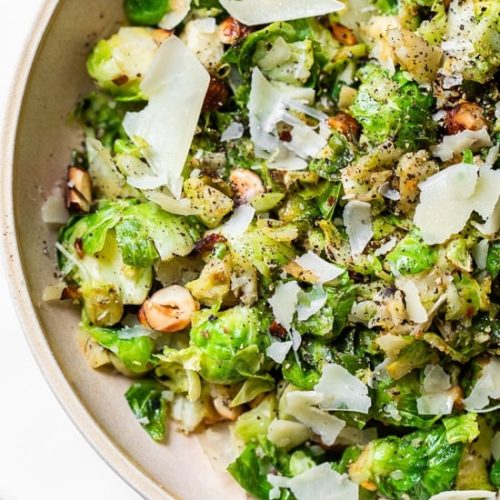
Cacio e Pepe Brussels Sprouts
Ingredients
Main Ingredients
- 2 tablespoons extra-virgin olive oil
- 1.5 teaspoons freshly ground black pepper
- to taste crushed red pepper flakes optional
- 14 ounces shredded Brussels sprouts see note
- 1 teaspoon kosher salt
- 1.25 cups freshly grated Parmesan cheese plus more for serving
- 1 zest lemon zest of 1 lemon
- 0.33 cup toasted hazelnuts or pecans roughly chopped
Instructions
Preparation Steps
- In a large skillet over medium heat, cook the olive oil, black pepper, and crushed red pepper flakes together until toasted, about 30 seconds to 1 minute.
- Add the shredded Brussels sprouts and cook, without stirring, until they begin to soften, about 2 minutes.
- Season with kosher salt and cook until the Brussels sprouts just begin to char, about 2 more minutes.
- Remove the skillet from the heat and add the Parmesan cheese, lemon zest, and toasted hazelnuts or pecans.
- Serve warm, topped with more fresh Parmesan if desired.