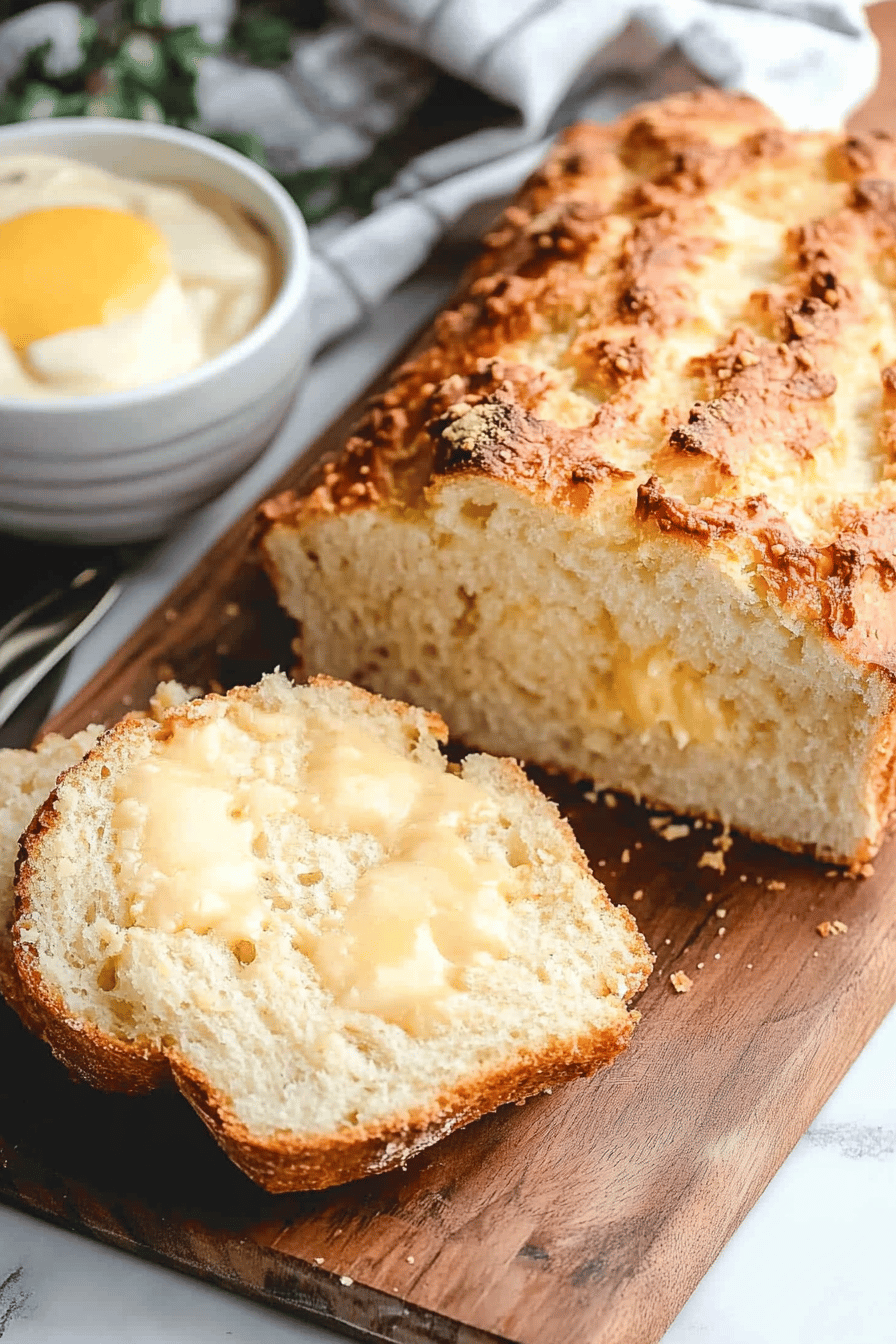
beer bread recipe

There’s something magical about a loaf that comes together with almost no effort and somehow tastes like a big, comforting hug. I grew up watching my mom improvise in the kitchen, tossing a bottle of beer into a bowl with flour and a dollop of butter to make a crusty, irresistible bread. This beer bread recipe became a late-night staple when the house felt empty after bedtime—the kind of loaf that fills the room with yeasty warmth and makes everyone smile. It’s not fancy, but it’s incredibly satisfying, and it’s one of those dishes you can pull off without a lot of planning. Think of it as the grown-up version of a skillet cornbread—same cozy vibe, but with a richer crumb and a little extra lift from beer. If you’ve got a hungry crew and a busy schedule, this lives in your kitchen like a trusted friend.
What is a beer bread recipe?
Beer bread is essentially a simple quick bread that relies on beer as the flavorful liquid and a bit of baking powder to help it rise. The result is a moist, tender loaf with a gentle malt note from the beer and a toasty, crusty exterior. The name isn’t about a brand or a fancy technique; it’s about using something you’d normally drink to enliven the batter rather than water or milk. This particular beer Bread Recipe leans into a cheesy, garlicky swirl that turns a loaf into a crowd-pleasing centerpiece. Think of it as a bread that tastes like the kind of comfort food you’d bake when friends pop by unannounced—simple, warm, and utterly friendly. It’s essentially a flex-your-chef-muscle moment you can pull off in under an hour.
Why you’ll love this recipe?
What I love most about this beer Bread Recipe is how forgiving it is. The batter comes together quickly, and the scent alone when it bakes is enough to drag everyone to the kitchen. The flavor is unexpectedly sophisticated for something so simple—beer brings a gentle malt sweetness and a subtle tang, while cheddar and garlic punch it up without overpowering the loaf. It’s a perfect side for soup, a comforting morning slice with coffee, or a quick savory snack after school. It’s also budget-friendly: you probably already have most of what you need on hand. This loaf shines with a simple cheddar swirl, but I’ve tested it with herbs, scallions, or even crumbled bacon for a smoky bite. If you’ve got a single bottle of beer in the fridge, you’ve got your loaf. What I love most about this recipe is its versatility: you can tailor the cheese, the herbs, or the glaze to suit your mood or the season, and the loaf still comes out beautifully every time.
How do I make beer bread?
Quick Overview
In a bowl, whisk together the dry ingredients, then stir in beer and melted butter until just combined. You’ll lay half the batter in a loaf pan, sprinkle a cheesy filling over it, top with the rest of the batter, and swirl to create a marble effect. Bake until the crust is deeply golden and a toothpick comes out with a few moist crumbs. The result is a loaf that’s tender inside, with a crisp edge and a soulful aroma that fills the house. The best part? You can have this on the table in about an hour from start to finish, and the kids will beg for seconds. It’s a true weeknight hero—reliable, cozy, and deeply satisfying.
Ingredients
For the Main Batter:
– 3 cups all-purpose flour
– 1 tablespoon baking powder
– 1 teaspoon salt
– 1 tablespoon sugar (optional, helps balance the beer’s bitterness)
– 12 ounces beer (a pale ale, lager, or amber works nicely; not too heavy or overly hoppy)
– 2 tablespoons melted butter or Olive Oil
For the Filling:
– 1 cup shredded sharp cheddar (plus 1/4 cup extra for topping, if you like)
– 2 tablespoons finely chopped chives or scallions
– 1/4 teaspoon garlic powder
– Optional additions: cooked bacon bits, finely chopped jalapeño, or a pinch of smoked paprika
For the Glaze:
– 2 tablespoons melted butter
– 1 teaspoon honey or maple syrup
– Pinch of salt
– Optional: a light dusting of paprika or Aleppo pepper for a sunset glaze
Step-by-Step Instructions
Step 1: Preheat & Prep Pan
Heat your oven to 350°F (175°C). Grease a 9×5-inch loaf pan well with butter or line it with parchment. A little extra fat on the pan is a lifesaver—it keeps the crust from sticking and helps the loaf release cleanly after baking. If you like a crisper crust, you can dust the pan with a whisper of cornmeal too. I always do this when I’m feeling ambitious, and it’s one of those tiny details that makes a big difference in the final texture.
Step 2: Mix Dry Ingredients
In a large bowl, whisk together the flour, baking powder, salt, and sugar (if using). You want to break up any lumps so the batter comes together evenly. This is also a good moment to take a quick sniff of the dry ingredients—flour and baking powder smell comforting, and a touch of aroma often hints at what’s to come. Don’t overmix the dry; just whisk until everything is evenly distributed.
Step 3: Mix Wet Ingredients
In a separate bowl, whisk the beer and the melted butter until well combined. The beer will fizz a little and that’s totally fine—it’s just the leavening doing its thing. The beer adds moisture and a subtle flavor complexity that you can’t replicate with water. If you’re using a beer with a stronger flavor, you’ll notice it more; a milder beer keeps the loaf more neutral, so it’s easier to pair with toppings later.
Step 4: Combine
Pour the wet mixture into the dry ingredients and stir gently just until all the flour is moistened. It’s crucial not to overmix; you’re aiming for a batter with a few lumps. Overworking quick bread batter can toughen the crumb, and we want something tender and cozy. If you see a few dry pockets, don’t worry—they’ll hydrate as the batter rests in the pan.
Step 5: Prepare Filling
In a small bowl, toss the cheddar with the chives and garlic powder. If you’re adding extras like bacon bits or jalapeño, fold them in now or reserve them for the top layer. The filling ratio should be enough to create that lovely cheddar pocket without overpowering the loaf. The cheese brings saltiness and melt, which makes the aroma absolutely irresistible as it bakes.
Step 6: Layer & Swirl
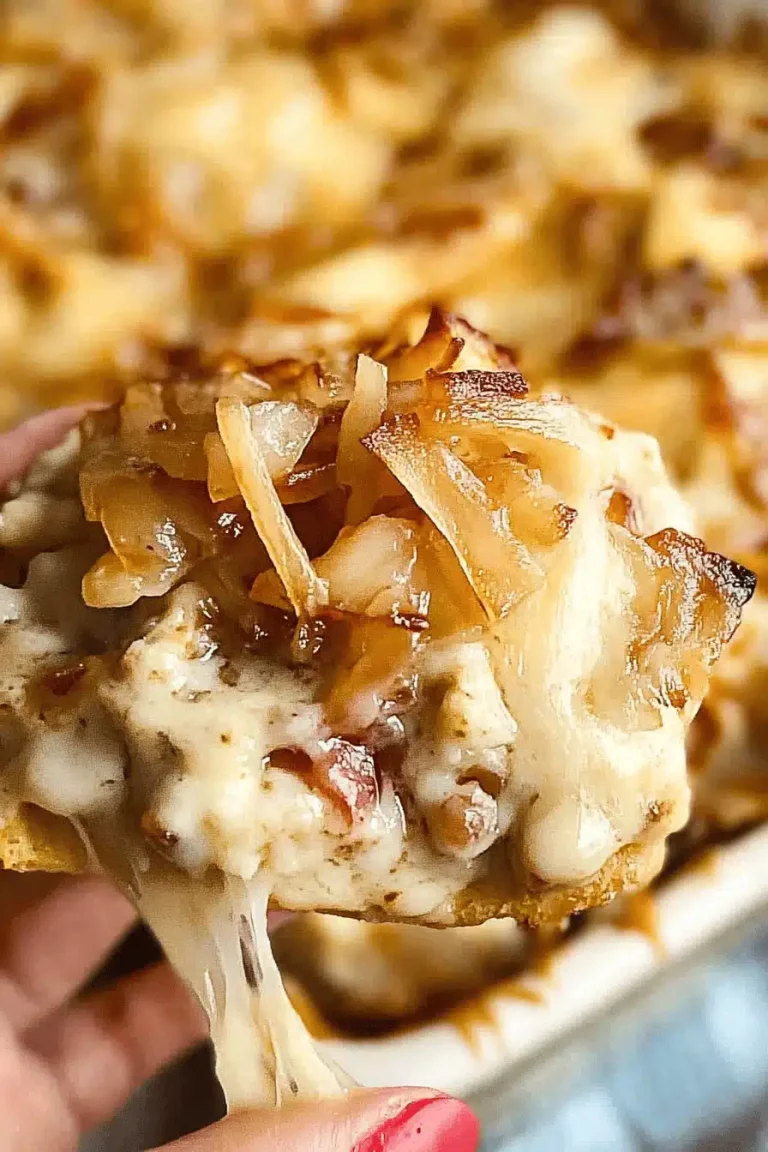
Spoon half of the batter into the prepared loaf pan and smooth the top. Sprinkle the filling over this first layer, then top with the remaining batter. Use a butter knife or a skewer to swirl the batter gently, creating ribbons of cheese as you go. Don’t over-swirl; you want pretty marbling, not a flat chocolate-marbled look. The swirl is where the cheese melt meets the bread’s interior, giving you pockets of melty goodness in every bite.
Step 7: Bake
Bake for 50–60 minutes, or until the top is deeply golden and a toothpick inserted into the center comes out with a few moist crumbs. If the bread seems to brown too quickly, tent it with a light piece of foil after the first 25–30 minutes. Oven temps vary, so start checking a little early and go by the crumb rather than the clock.
Step 8: Cool & Glaze
Let the loaf rest in the pan for about 10 minutes, then transfer to a wire rack to cool completely. If you’re in a rush, a warm loaf is delicious too, but cooling helps the crumb set and makes slicing easier. For the glaze, whisk together melted butter, honey, and a pinch of salt. Brush a light coat over the warm loaf; the glaze adds a glossy finish and a touch of sweetness that contrasts nicely with the cheese. If you want a bolder glaze, try mixing in a tablespoon of maple syrup or a pinch of cinnamon for a sweet-savory note.
Step 9: Slice & Serve
Slice the loaf thickly while still warm—your butter will melt into every cut, and the steam will keep the interior tender. I love serving these slices with more melted butter on the side for dipping. It’s fantastic with soup, a hearty chili, or a simple green salad. Leftovers (if there are any) are perfect toasted, with a smear of sharp mustard or a dab of honey butter. The aroma alone draws people near, and the first bite often stops conversations for a moment as everyone savors the warmth.
What to Serve It With
This loaf is the kind of multitasker that shines in any setting. Here are a few kid-tested, crowd-pleasing pairings that elevate the experience.
For Breakfast: A couple of warm slices with butter and your favorite jam, plus a strong cup of coffee. The bread’s heartiness makes it a satisfying start to a busy day. If you’re in a rush, a quick smear of peanut butter and banana turns it into a gentle, comforting morning treat.
For Brunch: Serve alongside scrambled eggs or a frittata, with a spritz of orange juice on the side. A light herb variation—like chives plus dill—pairs beautifully with fresh fruit and a simple cheese board.
As Dessert: A thin glaze and a dusting of cinnamon sugar transform a slice into a surprising dessert option. I’ve plated it with a dollop of lightly sweetened yogurt and a handful of berries for a “bread pudding” vibe that feels light but indulgent.
For Cozy Snacks: Tear a few warm slices and dip into a garlic-herb butter or a tangy yogurt-based dip. It’s the kind of snack that disappears in minutes at my house, especially when the weather turns cool and the living room feels extra inviting.
My family loves this loaf with a hearty bowl of soup, especially in the fall when the air smells of roasted pumpkin and toast. It’s a staple that travels well to potlucks because it feels special yet effortless—a rare combination that makes it a favorite every season.
Top Tips for Perfecting Your Beer Bread Recipe
Here are some tried-and-true tricks from years of testing and tasting. Small adjustments can make a big difference in texture, flavor, and crust.
Cheddar Prep: Shred cheese and measure your chives before you start. This keeps everything moving smoothly and prevents the cheese from clumping. If you’re using a block of cheddar, grate it fine enough to melt evenly but not so fine that it’ll disappear into the batter.
Mixing Advice: Save your strength for the last few folds. Overmixing the batter leads to a denser crumb. A few short turns with a spatula is all you need. The goal is a light, airy interior with a gentle lift from the beer.
Swirl Customization: The swirl is your moment to riff. If you want a marble effect that’s more pronounced, reserve a bit more of the filling to sprinkle across the top after you’ve added the rest of the batter. A knife swirl creates those pretty ribbons that look almost artisanal.
Ingredient Swaps: You can swap half the flour for whole wheat for a nuttier flavor, or try a gluten-free all-purpose blend for a gluten-free beer bread recipe. The gluten-free version will be a touch denser, so you might want to add an extra tablespoon of beer or a touch more butter to keep it moist.
Baking Tips: If your oven runs hot, drop the temperature by 25 degrees for the last 15 minutes to avoid over-browning. Conversely, if your oven runs cool, you may need to add 5–10 minutes. A quick test with a skewer is your best guide—look for a few moist crumbs clinging to the tip, not raw batter.
Glaze Variations: If you want a more pronounced glaze, whisk in a teaspoon of maple syrup or a pinch of garlic powder. For a savory finish, skip the glaze and brush the loaf with a garlic butter right as it comes out of the oven so it absorbs while cooling.
My best tips come from the little missteps I’ve made along the way—overmixing, under-seasoning, or not letting the loaf rest long enough before slicing. Each time, I learn something new: a dash more salt, a longer rest, or a softer touch when swirling the cheese. The recipe has always rewarded those tiny adjustments with a loaf that’s reliably comforting and never quite the same twice, in the best possible way.
Storing and Reheating Tips
Storage smartens up this beer bread recipe for life’s busy moments. Here’s how I keep it fresh and tasty.
Room Temperature: 1–2 days wrapped in a clean kitchen towel or stored in a bread box to maintain a soft interior. If you’re not planning to eat it all in a day, slice and freeze portions for later use.
Refrigerator Storage: Up to 4 days in an airtight container. The loaf remains tender, but you’ll notice the crumb becomes slightly denser as it sits. Reheat slices in a toaster oven or warm skillet with a thin swipe of butter to revive the crust.
Freezer Instructions: Wrap individual slices in plastic wrap, then place in a resealable bag. Freeze for up to 2–3 months. Thaw at room temperature and reheat gently in a toaster oven to restore that just-baked crust. If you’ve got a lemon-zest glaze in mind, you can apply it after reheating for a fresh, bright finish.
Glaze Timing Advice: If you’re freezing, skip the glaze until you reheat—brush on the glaze after warming the slices to avoid soggy patches. The bread takes on a little extra moisture when thawing, so the glaze helps bring back that glossy, inviting sheen.
Storing well means you’ll be able to use this loaf in a dozen different meals without losing texture or flavor. It’s resilient, forgiving, and always delicious when you need something comforting fast.
Frequently Asked Questions
Final Thoughts
This beer bread recipe is the kind of loaf that finds a permanent home in your kitchen repertoire. It’s straightforward, flexible, and deeply comforting—a true friend when dinner needs to come together fast or when you simply crave something warm and satisfying. The marriage of beer’s gentle fizz with a cheddar kiss becomes a cozy ritual: slice, spread with butter, and enjoy with a bowl of soup or a simple green salad. It’s the kind of bread that makes people pause, take a breath, and smile. If you try it, I’d love to hear how your swirl turned out, which cheese you chose, and what you paired it with. Leave a comment, rate the recipe, and tell me about your own little tweaks. Happy baking!
If you’re hungry for more, you might enjoy my other family favorites that share a similar spirit—easy, comforting, and made for sharing. And if you loved this beer bread recipe, I’d love to hear which variation you end up loving most. Here’s to cozy evenings, warm kitchens, and bread that brings everyone to the table. Can’t wait to hear how yours turns out, friend!