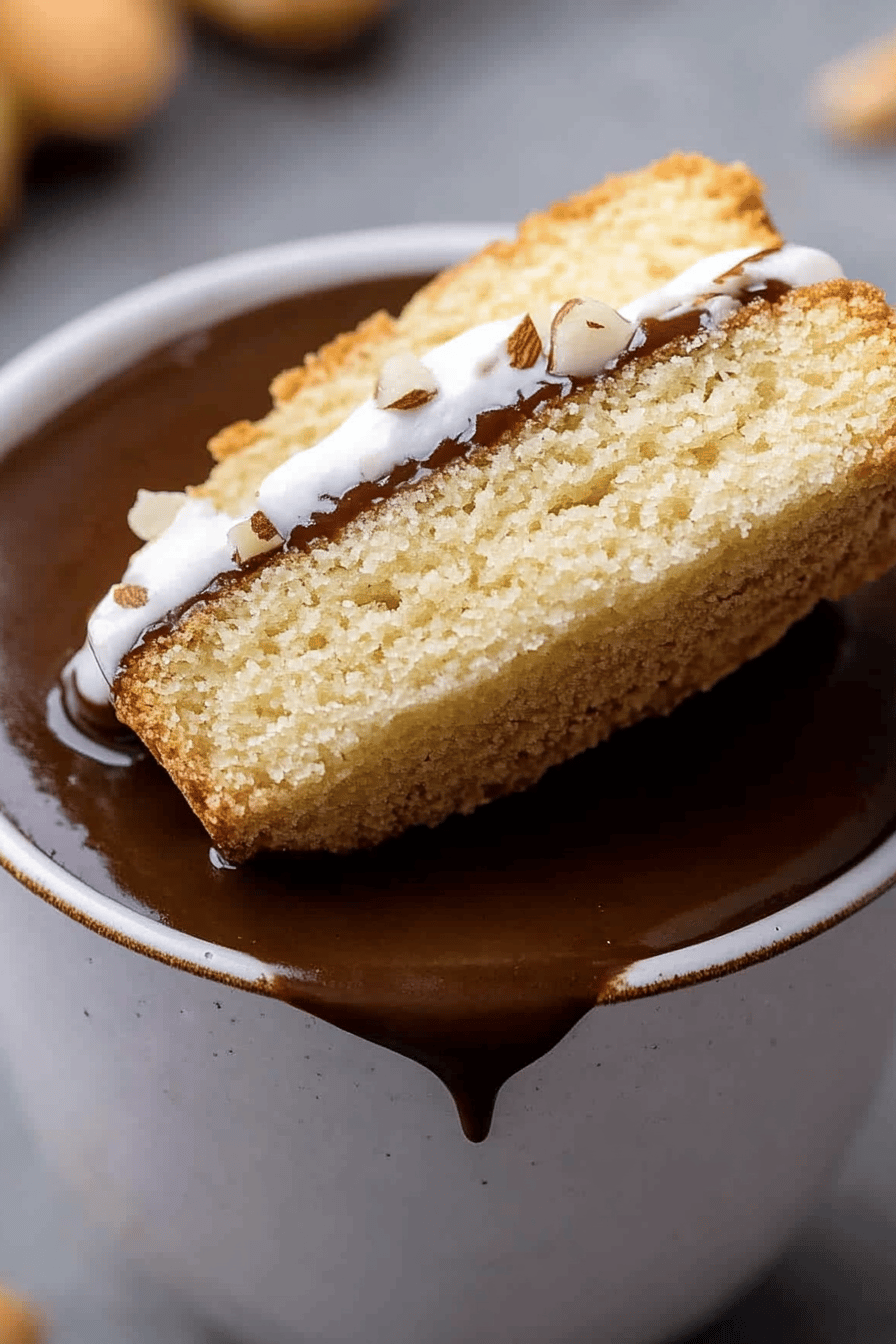
Easy Almond Candy Bites Recipe

There are some treats that just transport you. For me, it’s that first bite of perfectly made almond toffee. It’s that shatter-crisp texture, the rich, buttery caramel, and the satisfying crunch of toasted almonds all coming together. It’s not just candy; it’s pure joy in edible form! I remember my grandmother making this around the holidays, and the whole house would just smell like heaven. It was always the first thing to disappear from the cookie tray, and I’d sneak bits from the cooling rack when no one was looking. Honestly, I’ve tried a lot of toffee recipes over the years, and while many are good, this one… this one is special. It’s the one my family begs for, the one I bring to potlucks because I know it’s a guaranteed hit, and the one I often whip up when a serious sweet craving hits me late at night and I don’t want to fuss with a whole cake. It’s surprisingly simple, but the results? Absolutely show-stopping. This is my go-to, my tried-and-true, my beloved almond toffee.
What is almond toffee?
So, what exactly *is* almond toffee? At its heart, it’s a confection made primarily from sugar, butter, and almonds. We’re talking about cooked sugar that reaches a specific temperature – that’s the caramel stage – which gives it that glorious hard, brittle texture. Then, we load it up with crunchy toasted almonds. Sometimes it’s enrobed in chocolate, sometimes it’s just pure, unadulterated toffee goodness. My version leans into the pure toffee experience, letting the incredible flavor of the caramelized sugar and the buttery richness shine through, with plenty of those delightful toasted almonds embedded throughout. Think of it as the ultimate crunchy, sweet, nutty bar that’s incredibly satisfying. It’s not fussy, it’s not complicated, but it delivers big on flavor and texture. It’s basically happiness, solidified.
Why you’ll love this recipe?
Okay, let me tell you why this particular almond toffee recipe has become my absolute favorite, and why I just *know* you’re going to adore it too. First off, the flavor is out of this world. It’s that perfect balance of deep, rich caramel notes from the cooked sugar and butter, with a slight hint of salt that just makes everything pop. The toasted almonds aren’t just for show; they add this incredible nutty depth and a satisfying crunch that complements the brittle texture so beautifully. And let’s talk simplicity. I know “toffee” might sound intimidating, like something you only get from fancy candy shops, but trust me, this is totally doable for any home cook. You don’t need any fancy equipment, just a good pot and a little patience. I’ve found that the ingredients are super budget-friendly too, making it a great treat to whip up without breaking the bank. Plus, it’s incredibly versatile. While I love it plain, you can totally dip half of it in chocolate if you’re feeling fancy, or even sprinkle a little sea salt on top just before it sets for an extra flavor kick. What I love most about this is how it feels so decadent and special, yet it’s so approachable. It’s the kind of treat that makes people say, “Wow, you *made* this?” and it’s truly a joy to share.
How do you make almond toffee?
Quick Overview
Making this almond toffee is a straightforward process that mainly involves carefully cooking sugar and butter to the right temperature, stirring in your toasted almonds, and letting it cool to a perfect, crisp shatter. It’s a two-stage cooking process: first, the caramel base, then the quick incorporation of the nuts. The magic really happens when you let it cool completely, transforming that liquid gold into a treat that snaps perfectly with every bite. It’s a quick process once you get going, making it surprisingly manageable even on a weeknight when a sweet craving strikes.
Ingredients
For the Main Toffee:
2 cups granulated sugar: This is the foundation of our caramel. Make sure it’s plain granulated sugar; no brown sugar needed here as we want that clean caramel flavor. I always buy a big bag of it because I use it so much!
1 cup (2 sticks) unsalted butter: Good quality butter makes a difference here. It’s crucial for that rich, smooth caramel flavor. Don’t skimp on the butter! Make sure it’s at room temperature so it melts evenly.
1/2 cup water: Just a little bit to help the sugar dissolve and start the caramelization process smoothly.
1 teaspoon vanilla extract: Added at the end for a lovely warmth and depth of flavor.
1/4 teaspoon salt: This little pinch of salt is key! It balances the sweetness and enhances all the other flavors. I sometimes use flaky sea salt for topping, but a regular teaspoon is perfect in the mix.
2 cups whole, raw almonds, toasted: Toasting the almonds is non-negotiable! It brings out their nutty flavor and gives them the perfect crunch. You can toast them in a dry skillet over medium heat until golden, or spread them on a baking sheet and toast in a 350°F (175°C) oven for about 8-10 minutes, watching them closely so they don’t burn. Let them cool completely before using. You can use slivered or whole blanched almonds, but I personally love the texture of whole ones for toffee.
Step-by-Step Instructions
Step 1: Preheat & Prep Pan
First things first, you need to get your workspace ready. Line a large baking sheet (about 13×18 inches is ideal) generously with parchment paper or a silicone baking mat. If you’re using parchment, make sure it lays flat and doesn’t have any crinkles. You can even grease it *very* lightly with a neutral oil or cooking spray, just to be extra sure nothing sticks, although the parchment usually does the trick. You don’t want any trouble when your gorgeous toffee is ready to come out! Some people like to use a baking sheet with sides, which is great for containing any potential drips, but a flat sheet works perfectly fine too, as long as you’re careful. Preheat your oven to 350°F (175°C) if you’re toasting your almonds now. If your almonds are already toasted, you can skip this oven step until later, but prepping your pan is essential.
Step 2: Mix Dry Ingredients
In a heavy-bottomed saucepan (this is important so the heat distributes evenly and prevents scorching!), combine the granulated sugar and the water. Stir them together gently with a wooden spoon or heatproof spatula just until the sugar looks moistened. We don’t want to stir too much once it starts cooking, so get this initial mix right. The water helps the sugar dissolve properly before it begins to caramelize. This step is super crucial for a smooth, consistent toffee.
Step 3: Mix Wet Ingredients
This step is where the magic really starts to happen, but it requires a little care. Once the sugar and water mixture is combined, add the butter. Cut the butter into chunks so it melts more easily. Place the saucepan over medium heat. Now, the key is to stir *constantly* (or at least very frequently) with your wooden spoon or heatproof spatula. You want to melt the butter and let it combine with the sugar. Keep stirring until the butter is fully melted and the mixture is smooth. Don’t rush this! Letting it come up to temperature slowly and steadily ensures a beautifully uniform caramel.
Step 4: Combine
Once the butter has completely melted and is well incorporated into the sugar and water mixture, it’s time to cook! Increase the heat to medium-high. Continue stirring *constantly*. This is the most important part for preventing crystallization and scorching. You’ll see the mixture start to bubble and thicken. Use a candy thermometer if you have one, clipping it to the side of the pan so the bulb is submerged in the liquid but not touching the bottom. You’re aiming for a temperature of around 300°F (150°C), which is the hard crack stage. If you don’t have a thermometer, you can use the cold water test: drop a tiny bit of the syrup into a glass of ice-cold water. It should form hard, brittle threads that snap easily. It will take about 10-20 minutes of constant stirring, depending on your stovetop. Watch the color carefully – you want a beautiful amber hue, like dark honey or maple syrup. If it starts to get too dark, it will taste burnt, so be vigilant!
Step 5: Prepare Filling
As soon as your toffee reaches that perfect amber color and temperature, immediately remove the pot from the heat. This is crucial because the toffee will continue to cook slightly from residual heat. Stir in the vanilla extract and the salt. The vanilla adds a wonderful warmth, and the salt cuts through the sweetness, which is just divine. Now, quickly add your toasted almonds. Stir them in vigorously to ensure they are evenly distributed throughout the hot toffee mixture. You want every bite to have that perfect almond-to-toffee ratio. Work fast here, because the mixture will start to thicken up as it cools.
Step 6: Layer & Swirl
This is where we turn that glorious, nutty, bubbling caramel into our beautiful toffee. Carefully and quickly pour the hot toffee mixture onto your prepared baking sheet. Use your spatula to spread it out as evenly as possible into a thin layer. It will be very hot and sticky, so be cautious! If you want to get fancy, you can use the back of a lightly greased spoon to swirl it a bit, but usually, just spreading it out evenly is perfect. The goal is a thin, even layer so it cools and crisps up nicely.
Step 7: Bake
Okay, so technically, this isn’t a “bake” in the traditional oven sense unless you decided to toast your almonds this way. The “baking” happened when you cooked the sugar to that perfect temperature on the stovetop. The crucial step now is cooling. Let the toffee cool completely on the baking sheet at room temperature. This can take anywhere from 1 to 3 hours, depending on how thick you spread it and the temperature of your kitchen. Don’t be tempted to put it in the fridge to speed things up; that can sometimes make the texture a bit weird. Just let it be patient. You’ll know it’s ready when it’s completely firm and hardened. You can gently try to lift an edge to see if it’s solid.
Step 8: Cool & Glaze
Once the toffee is completely cooled and hardened on the baking sheet, it’s time for the satisfying part – breaking it! You can use your hands to break it into irregular pieces, or if you want neater edges, you can use a sharp, heavy knife to gently score it or tap it with a small mallet or rolling pin (carefully!). The texture should be wonderfully crisp and brittle. If you’re adding a chocolate glaze (which is optional but delicious!), melt about 6-8 ounces of good quality semi-sweet or dark chocolate chips in a double boiler or in the microwave in 30-second intervals, stirring between each. Once melted and smooth, you can dip the bottoms of the toffee pieces into the chocolate or drizzle it over the top. If you’re drizzling, lay the pieces back on parchment paper and let the chocolate set completely. This part is pure indulgence!
Step 9: Slice & Serve
Once your toffee is broken into pieces (and any chocolate has set!), it’s ready to be served! If you didn’t add chocolate, simply arrange the broken pieces on a platter. They look so inviting and rustic. If you did add chocolate, place them pretty-side up so everyone can admire your handiwork. This almond toffee is absolutely divine served at room temperature. It’s perfect on its own, but also fantastic alongside a cup of coffee, tea, or even a glass of milk. You can also chop it up into smaller pieces and sprinkle it over ice cream or yogurt for an extra special treat. The key is to serve it when it’s at its crispest – avoid letting it sit out too long in humid conditions, as it can get a little sticky.
What to Serve It With
This almond toffee is honestly so versatile, it’s more about the *occasion* than what it needs to be served *with*. But, if you’re looking for ideas, here are some of my favorites:
For Breakfast: While not a traditional breakfast item, a small piece of this toffee with your morning coffee is pure bliss. It’s like a little sweet surprise to start your day. I love having a small, perfectly broken piece with my first cup of black coffee – it’s a little indulgence that makes the morning feel a bit more special. The crispness with the hot coffee is just a lovely contrast.
For Brunch: Set out a platter of beautifully broken almond toffee alongside other pastries, fruit, and perhaps some mini muffins. It adds a touch of elegance and a satisfying crunch that people will rave about. It’s a wonderful sweet finish after a savory brunch dish, or a lovely accompaniment to a fresh fruit salad.
As Dessert: This is its shining moment! Serve it on a dessert tray after a nice meal. It’s fantastic on its own, but if you want to go the extra mile, chop some up and sprinkle it over vanilla bean ice cream or a rich chocolate mousse. The crunch adds an incredible textural dimension. It’s also a lovely accompaniment to a warm apple crumble or a baked pear.
For Cozy Snacks: My kids always want this for an after-school snack, and honestly, so do I! It’s the perfect little pick-me-up when you need something sweet and satisfying. Pair it with a glass of cold milk for a classic comfort combo. It’s also wonderful for movie nights – just pop a bowl of it on the coffee table!
My family has a tradition of having a piece of this on New Year’s Eve – a little sweet crunch to usher in the new year! It’s always a huge hit, and the memory of making it together is as sweet as the toffee itself.
Top Tips for Perfecting Your Almond Toffee
Over the years, I’ve learned a few things that make this almond toffee recipe turn out perfectly every single time. These are my little secrets and lessons learned!
Almond Toasting is Key: Seriously, don’t skip toasting those almonds! Raw almonds are fine, but toasted almonds have a depth of flavor and a superior crunch that makes all the difference. Watch them closely when toasting, as they can go from golden to burnt in a blink. I usually do mine in a single layer on a baking sheet in a 350°F (175°C) oven for about 8-10 minutes, shaking the pan halfway through. They should smell fragrant and be lightly golden. Let them cool completely before adding them to the toffee mixture so they don’t get soggy.
Constant Stirring is Your Best Friend: This is non-negotiable when you’re cooking the sugar. Stirring prevents the sugar crystals from forming unevenly, which can lead to crystallization (a grainy texture) and stops the bottom from scorching. I use a sturdy wooden spoon and keep it moving, scraping the bottom and sides of the pan. If you stop stirring, especially as it gets hotter, you risk burning it or getting that unpleasant grainy texture.
Use a Heavy-Bottomed Pan: This is crucial for even heat distribution. A thin-bottomed pan can create hot spots, leading to uneven cooking and burning. My trusty thick-bottomed stainless steel saucepan is my go-to for all candy making. It’s an investment, but totally worth it for consistent results.
Candy Thermometer is a Game-Changer (But Not Essential): While you can do the cold water test, a candy thermometer takes all the guesswork out of reaching the perfect “hard crack” stage (around 300°F/150°C). If you plan on making candy more than once or twice, it’s a tool I highly recommend. It ensures that consistent, shatter-crisp texture you’re looking for. Without one, be extra attentive to the color – a rich amber is what you want. If it’s too light, it will be chewy; too dark, and it will be burnt and bitter.
Work Quickly Once Cooked: As soon as your toffee reaches temperature, pull it off the heat. The residual heat in the pan will continue to cook it. Stir in your vanilla and salt, then immediately add your toasted almonds and pour it onto the prepared baking sheet. The mixture thickens rapidly, so you need to spread it out quickly and evenly before it becomes unmanageable.
Ingredient Swaps: While this recipe is perfect as is, I’ve experimented a bit! For instance, I once tried using almond milk instead of water just to see, and while it *worked*, it didn’t lend the same clean caramel flavor. Stick with water for this recipe. If you’re out of vanilla, a touch of almond extract (just a drop or two, it’s potent!) can be nice, but pure vanilla is classic. For the almonds, you can absolutely use pecans or even walnuts if you prefer, but the name is almond toffee for a reason – they are the star!
Cooling is Crucial: Be patient with the cooling process. Let it cool completely at room temperature. Rushing it can result in a softer, chewier toffee instead of the delightful brittle snap we’re after. Resist the urge to poke it or move it around until it’s fully set and hard. Once it’s cool, it’s so satisfying to break into shards!
Storing and Reheating Tips
Proper storage is key to keeping your delicious almond toffee tasting its best. Because it’s essentially cooked sugar, it’s pretty stable, but a few tips will ensure that signature crunch:
Room Temperature: This is the best way to store your almond toffee if you plan to eat it within a week or two. Once it’s completely cooled and hardened (and any chocolate glaze is set), break it into pieces and store them in an airtight container. You can layer pieces between sheets of parchment paper to prevent them from sticking together, especially if you’ve dipped them in chocolate. Keep the container in a cool, dry place. Avoid humid environments, as moisture can make toffee sticky and lose its crunch. It should stay perfectly crisp for at least 1-2 weeks this way.
Refrigerator Storage: I generally don’t recommend refrigerating toffee unless your kitchen is exceptionally warm and humid and you’re worried about it softening. If you must refrigerate, use an airtight container and layer with parchment paper. However, bringing it to room temperature before serving is essential, as cold toffee can be harder and less flavorful. Shelf life in the fridge is similar, maybe slightly longer, but the texture can sometimes be affected.
Freezer Instructions: For longer storage, freezing is a great option! Wrap the cooled and broken toffee pieces tightly in plastic wrap, then place them in a heavy-duty freezer bag or airtight container. This helps prevent freezer burn. It will keep well for up to 2-3 months. To thaw, simply transfer the toffee to the refrigerator overnight, then bring it to room temperature before serving to enjoy its optimal crispness.
Glaze Timing Advice: If you’ve added a chocolate glaze, follow the same storage principles. The chocolate layer is fairly stable at room temperature in a cool, dry place. If you freeze it, the chocolate might develop a slight bloom (a grayish film) when it thaws, but the taste and texture of the toffee underneath will still be fantastic. The main goal is to keep it dry and airtight to preserve that irresistible crunch!
Frequently Asked Questions
- A light dusting of cocoa powder or powdered sugar once it’s cooled.
- A drizzle of melted white chocolate for a visual contrast.
- Crushed freeze-dried raspberries sprinkled over the top for a pop of color and tartness before it sets.
- A sprinkle of chopped toasted nuts (like pistachios) for extra visual appeal and flavor complexity.
Personally, I love it with just the toffee and almonds, or with a dark chocolate dip.
Final Thoughts
There you have it – my absolute favorite almond toffee recipe! I truly hope you give this a try. It’s one of those recipes that feels a little bit fancy but is surprisingly achievable, and the reward is just immense. That perfect shatter, the rich buttery caramel, the nutty crunch… it’s just pure bliss. It’s the kind of treat that makes you feel like a candy-making pro, and it’s always a guaranteed way to impress friends and family. If you love this recipe, you might also enjoy my Salted Caramel Fudge or my Classic Chocolate Chip Cookies, which are also family favorites for different reasons! I can’t wait to hear what you think of this almond toffee. Please leave a comment below with your thoughts, any variations you tried, or how it turned out – I love hearing from you all! Happy baking (or, in this case, candy-making)!