
Easy Bone Broth from Chicken or Turkey

You know those days? The ones where you feel a chill creeping in, or maybe just a general “blah” feeling that no amount of sleep seems to fix? For me, that’s when I instinctively crave a warm mug of homemade bone broth. It’s more than just a drink; it’s like a comforting hug in a bowl, a culinary secret weapon passed down from my grandma. She used to simmer pots of it for hours, filling our old farmhouse kitchen with the most incredible, savory aroma. It was her cure-all for everything from sniffles to a tough day. This bone Broth Recipe is my tribute to her, a way to capture that same goodness and share it with all of you. Forget those watery, bland store-bought versions; this is the real deal, rich, gelatinous, and packed with flavor. If you’ve ever wondered how to make bone broth that truly nourishes and delights, you’ve come to the right place.
What is bone broth?
So, what exactly is this magical elixir we call bone broth? Think of it as the ultimate stock, but taken to a whole new level. It’s essentially what you get when you take animal bones – typically from beef, chicken, or even fish – and simmer them gently in water with a few aromatics for a really, really long time. We’re talking hours, sometimes even a full day! Unlike a quick stock, bone broth is all about slow extraction. This patient simmering process breaks down the collagen and connective tissues in the bones, releasing all sorts of goodness into the liquid. This is what gives it that wonderfully rich, slightly thick, almost gelatinous texture when it cools. It’s got this deep, savory flavor profile that’s incredibly satisfying. It’s not quite a soup, not quite a sauce, but something uniquely nourishing and delicious all on its own.
Why you’ll love this recipe?
Honestly, there are so many reasons why this bone broth recipe has become a staple in my kitchen, and I just know you’ll fall in love with it too. First off, the **flavor**. Oh my goodness, the flavor! It’s so deep and complex, way beyond anything you can buy in a carton. It’s got this subtle sweetness from the roasted bones and vegetables, a savory depth from the marrow, and just an overall comforting taste that makes you feel good from the inside out. Then there’s the **simplicity**. While it takes time to simmer, the actual hands-on work is minimal. You basically throw everything into a pot, set it, and let it do its thing. It’s the kind of recipe that lets you get on with your day while creating something truly spectacular. And let’s talk **cost-efficiency**. Instead of tossing those bones from your Sunday roast or buying expensive stock, you’re transforming them into liquid gold. It’s incredibly budget-friendly, especially when you consider the nutritional benefits. Plus, the **versatility** is off the charts! I sip on it plain, use it as a base for soups and stews (my Chicken Noodle Soup is legendary thanks to this broth!), cook grains in it, or even use it to deglaze pans. It’s a true kitchen workhorse. What I love most about this particular bone broth recipe is how it makes me feel – it’s a little act of self-care, a connection to simple, wholesome food, and a taste of my childhood. It’s miles better than any store-bought version, and honestly, the aroma that fills your house while it simmers is half the magic.
How do I make bone broth?
Quick Overview
Making this bone broth is a patient cook’s dream. You’ll start by roasting your bones and aromatics to deepen their flavor, then combine everything in a large pot, cover with water, and let it simmer for a good long while – usually 12 to 24 hours depending on your preference. The key is low and slow heat. Once it’s done, you’ll strain out the solids, let it cool, and then you’re left with this glorious, nutrient-rich liquid. It’s incredibly straightforward, requiring minimal active cooking, making it a lifesaver for busy weeks or when you want to feel extra nurturing towards yourself and your family.
Ingredients
For the base bones: For the bone: For the bone: For the bone: For the bone: For the bone: For the bone: For the
2-3 pounds of good quality bones. I love using a mix – beef marrow bones (ask your butcher for these!), oxtail, or even chicken backs and carcasses work beautifully. The marrow bones are key for that rich flavor and gelatin. If you can get roasted bones, even better! It adds another layer of depth. My butcher always has the best selection, so don’t hesitate to ask.
For the Aromatics:
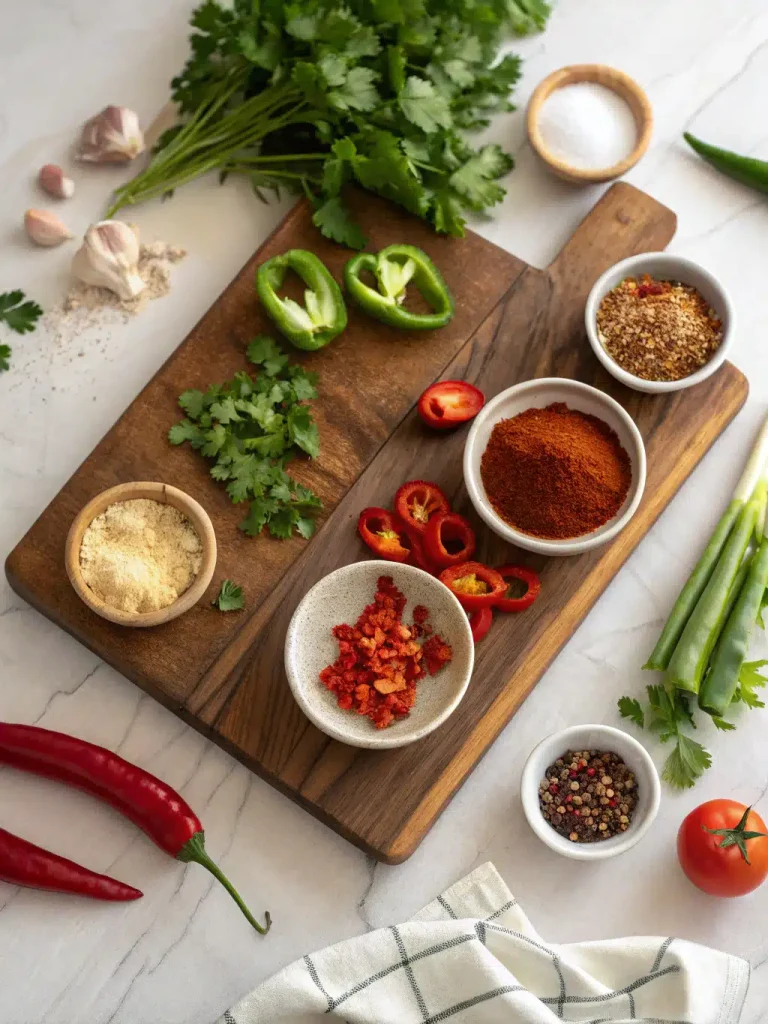
1 large onion, quartered (no need to peel, just wash it well – the papery skin adds color!)
2-3 carrots, roughly chopped (again, no need to peel, just scrub them)
2-3 celery stalks, roughly chopped
4-5 cloves garlic, smashed but left whole
1 tablespoon black peppercorns
2-3 bay leaves
For Acidity (Helps Extract Minerals):
2 tablespoons Apple Cider vinegar (or red wine vinegar) – trust me on this one! It’s a game-changer for mineral extraction.
For Liquid:
Cold filtered water, enough to cover everything by about 2 inches.
Step-by-Step Instructions
Step 1: Roast the Bones and Vegetables
This step is totally optional but highly recommended! It really amps up the flavor. Preheat your oven to 400°F (200°C). Toss the bones, onion, carrots, and celery onto a large baking sheet. Roast for about 30-40 minutes, or until they’re nicely browned and smell amazing. You want to see some caramelization; that’s where the good stuff is!
Step 2: Combine Everything in a Pot
Once roasted, transfer the bones and vegetables to your largest stockpot or Dutch oven. Add the smashed garlic cloves, peppercorns, and bay leaves. Pour in the Apple Cider vinegar. Now, add enough cold filtered water to cover everything by about 2 inches. Don’t use hot water; cold water helps to slowly draw impurities out.
Step 3: Bring to a Simmer
Place the pot over high heat and bring it just to a boil. As soon as it starts to bubble, reduce the heat to the lowest possible setting. You want the barest simmer – just a few gentle bubbles here and there. If it’s boiling vigorously, you’ll end up with cloudy broth, and we want that beautiful, clear goodness.
Step 4: Simmer for Hours
This is where the patience comes in! Let the broth simmer uncovered or partially covered for at least 12 hours, and up to 24 hours. The longer it simmers, the richer and more gelatinous it will become. Skim off any foam or impurities that rise to the surface during the first hour or two – this helps keep your broth clear and clean tasting. I usually do this early on and then mostly forget about it.
Step 5: Strain the Broth
Once your simmering time is up, it’s time to strain. Carefully ladle the broth through a fine-mesh sieve into a large heatproof bowl or another clean pot. You can line the sieve with cheesecloth for an extra-clear broth, though it’s not strictly necessary. Discard the solids; they’ve given their all!
Step 6: Cool and Skim Fat
Let the strained broth cool at room temperature for about an hour, then transfer it to the refrigerator. As it chills, the fat will solidify on the surface. Once it’s cold, you can easily skim off this fat. I usually save the fat to roast vegetables later – it’s delicious! You’ll notice the broth starting to gel; that’s the sign of a successful, collagen-rich bone broth.
Step 7: Portion and Store
Once chilled and skimmed, portion your beautiful bone broth into airtight containers or freezer-safe bags. You can store it in the fridge for about 4-5 days, or freeze it for up to 6 months. I love using my ice cube trays for small portions – they’re perfect for adding a flavor boost to sauces or quick sautés.
Step 8: Heat and Enjoy!
When you’re ready to enjoy, gently reheat your bone broth on the stovetop or in the microwave. Sip it warm as is, or use it as the base for your favorite recipes. It’s ready when you are!
What to Serve It With
This homemade bone broth is a culinary chameleon, happy to play a starring role or be a supportive character. For a simple and incredibly nourishing **Breakfast**, just warm up a mug and sip it plain. The warmth and savory depth are the perfect antidote to a chilly morning, waking up your senses and your digestion. You can even add a pinch of sea salt or a splash of lemon for a little zest. For a more elaborate **Brunch**, think of it as the foundation for something special. Use it to cook fluffy couscous or quinoa, or as the liquid base for a savory Dutch baby. It adds a richness that’s hard to replicate with water or milk. As a **Dessert** accompaniment? Yes, really! A very small amount, maybe just a tablespoon or two, can add an incredible depth of umami to certain savory-sweet dishes, like a rich mushroom tart. Or, if you’re feeling like a **Cozy Snack**, it’s the ultimate comfort. Whip up a quick ramen with some noodles and greens, or simply enjoy it straight from a bowl with a few crackers on the side. My kids absolutely love it when I add some tiny star pasta to their broth; they call it “magic star soup.” It’s these simple, comforting moments that make me feel so connected to this recipe.
Top Tips for Perfecting Your Bone Broth
Over the years of making this bone broth, I’ve picked up a few tricks that I think make all the difference. For the **Bone Selection**, don’t be afraid to ask your butcher! They can guide you to the best cuts for flavor and gelatin. Roasting the bones and vegetables is a step I never skip; it adds this incredible depth of flavor that you just can’t get otherwise. If you’re short on time, you can skip this, but the taste difference is significant. When it comes to **Simmering Time**, more is often more. While 12 hours is a good minimum, I often let mine go for 18-24 hours, especially with beef bones. The longer it simmers, the more gelatin and nutrients are extracted, resulting in a thicker, more potent broth. Don’t let it boil vigorously; aim for a gentle, lazy simmer. This is crucial for clarity. If you notice a lot of scum rising in the first hour or two, skim it off with a ladle; this keeps the broth clean-tasting. For **Ingredient Swaps**, don’t stress too much! While onions, carrots, and celery are classic, feel free to add other hardy vegetables like leeks, parsnips, or even a few mushroom stems for extra earthiness. The apple cider vinegar is surprisingly important for mineral extraction, so try not to omit it. For **Baking Tips**… wait, this isn’t a baking recipe! Oops, my brain is always thinking about cookies! But for storing, **Glaze Timing Advice**… again, wrong recipe! Let’s focus on the broth itself. When it comes to **Cooling and Storing**, make sure it’s fully cooled before refrigerating or freezing. This prevents bacterial growth. Using ice cube trays for small portions is genius for cooking later on. You’ll be amazed at how much flavor a cube of pure bone broth can add to a pan sauce or a risotto.
Storing and Reheating Tips
Properly storing your precious bone broth ensures you have this nourishing liquid ready whenever inspiration strikes. At **Room Temperature**, it’s best to consume your broth within a couple of hours, especially if it’s warm out. It’s designed to be enjoyed fresh or refrigerated. For **Refrigerator Storage**, make sure your broth is completely cooled before transferring it to airtight containers. Glass jars, good quality plastic containers, or even freezer bags laid flat work perfectly. It should stay fresh in the fridge for about 4 to 5 days. I find that the quality is best within the first 3 days, so try to use it up within that timeframe if possible. When it comes to **Freezer Instructions**, this is where your bone broth can last for months! Again, cool completely. Portion it into freezer-safe containers, leaving a little headspace as liquids expand when frozen. Freezer bags are great because they take up less space. It will keep well for at least 6 months, though I’ve had it last up to a year and still taste great. Thawing is easy: transfer from the freezer to the refrigerator overnight, or gently reheat directly from frozen in a saucepan or microwave, stirring as it thaws. For **Glaze Timing Advice**… oh, wait, still thinking about that other recipe! For bone broth, there’s no glaze to worry about, but when reheating, do it gently. Avoid boiling vigorously, as this can break down some of the delicate flavors and gelatin structure. A slow, gentle simmer is always best.
Frequently Asked Questions
Final Thoughts
There you have it – my tried-and-true, deeply loved bone broth recipe. It’s more than just a culinary creation; it’s a little bit of magic, a whole lot of nourishment, and a direct line back to my grandma’s kitchen. The process is simple, and the rewards are immense, both for your health and your taste buds. I really hope you’ll give this bone broth recipe a try. It’s such a comforting thing to have on hand, perfect for those days when you need a little extra care. If you love making nourishing, homemade staples, you might also enjoy my recipe for homemade sauerkraut or my foolproof sourdough starter – they share that same spirit of simple, wholesome goodness. I can’t wait to hear how your bone broth turns out! Let me know in the comments below if you have any questions or share your own favorite ways to use it. Happy simmering!