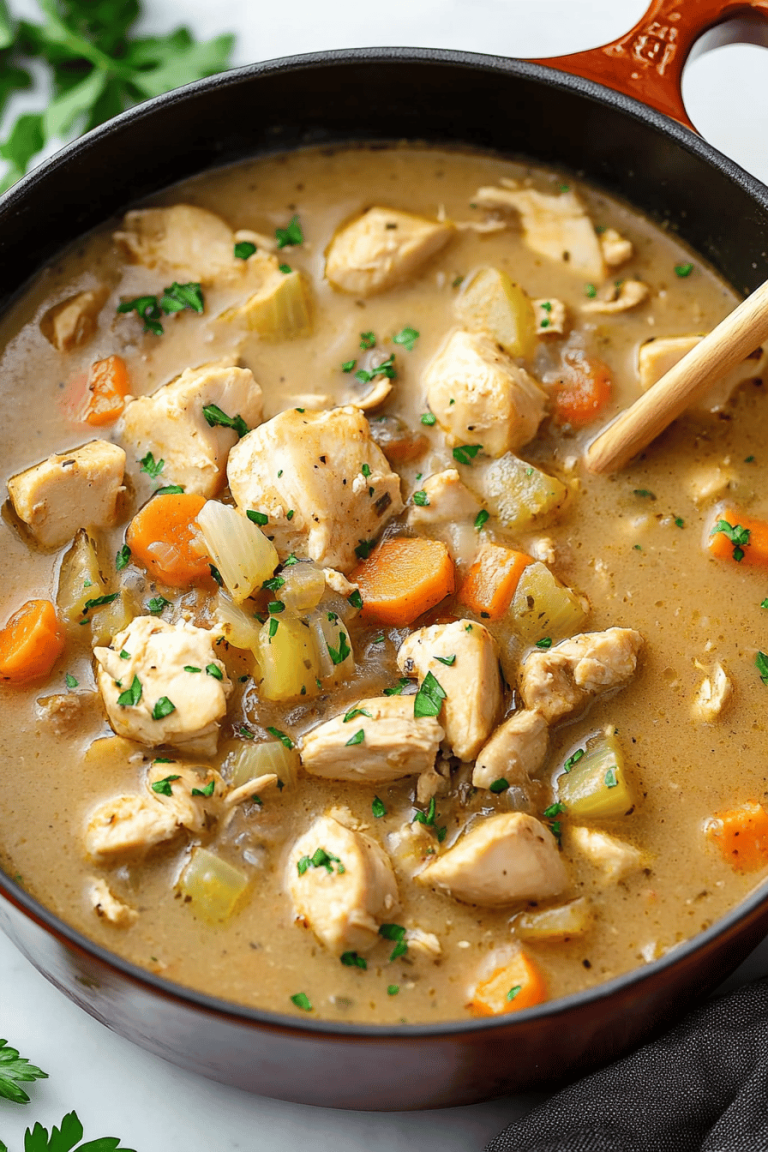
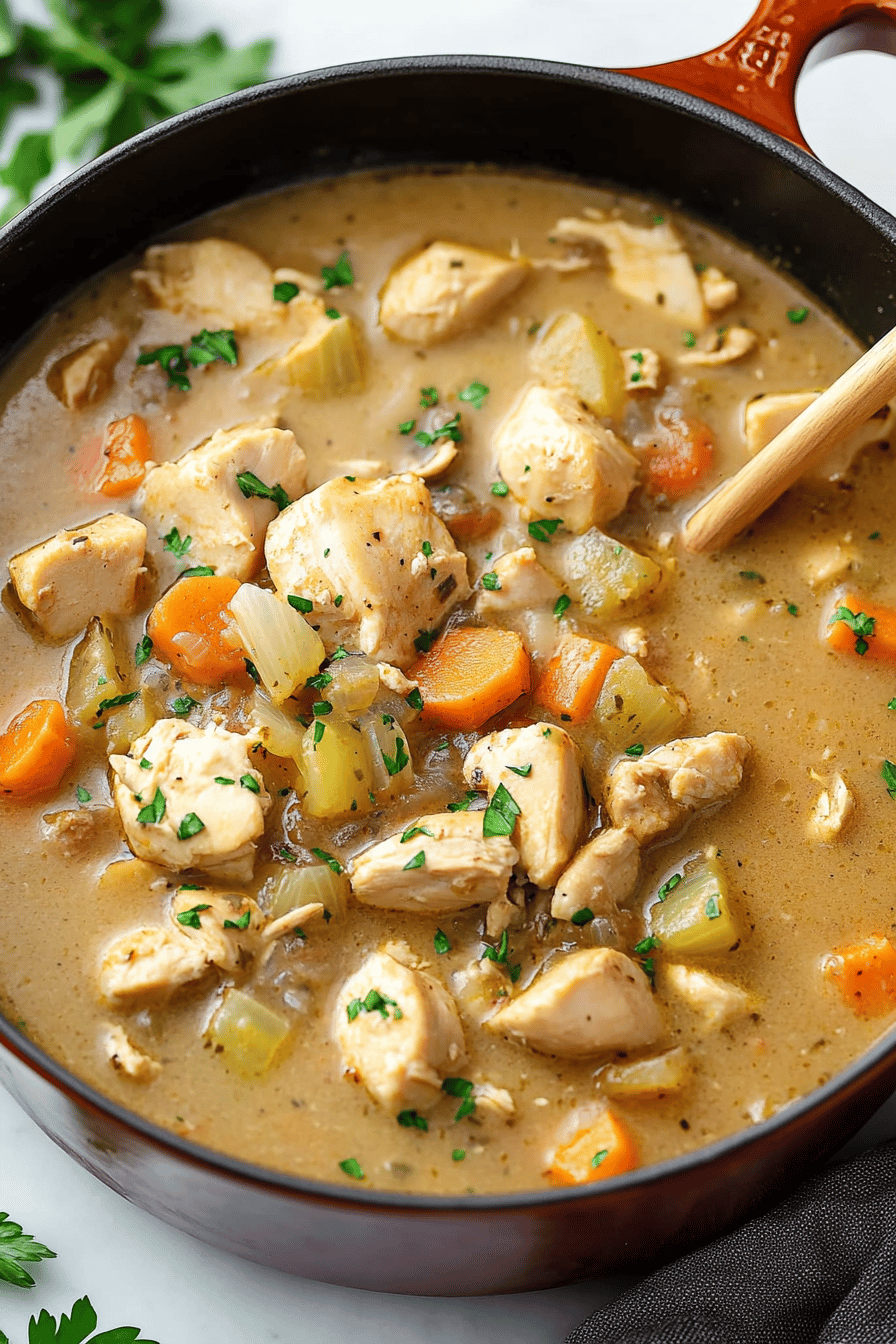
Best Chicken Soup The Jewish Way

You know those recipes that just feel like a warm hug? The ones that instantly transport you back to childhood, filled with the comforting aroma of something truly special simmering on the stove? Well, this Jewish Chicken Soup is exactly that for me. It’s not just soup; it’s memory in a bowl. My grandma used to make this, and the scent would fill our entire house, making even the dreariest rainy day feel bright. It’s the ultimate cure-all, a hug in liquid form, and honestly, it’s so much simpler to make than you might think. Forget those store-bought broths that taste like disappointment; this homemade Jewish chicken soup is the real deal, a thousand times better than any boxed alternative, and it’s surprisingly easy to whip up, even on a weeknight.
What is Jewish Chicken Soup?
So, what exactly *is* Jewish Chicken Soup? At its heart, it’s a deeply flavorful, soul-satisfying broth made from simmering chicken (usually with bones for maximum flavor), vegetables like carrots, celery, and onions, and a medley of herbs and spices. It’s often referred to as “Jewish penicillin” because it’s believed to have healing properties, especially when you’re feeling under the weather. Think of it as the ultimate comfort food, a staple in Jewish cuisine that’s passed down through generations. It’s not just about the ingredients; it’s about the love and care that goes into making it. The magic lies in coaxing out all the rich, savory goodness from simple, humble components. It’s essentially liquid gold, nourishing you from the inside out.
Why you’ll love this recipe?
There are so many reasons why this Jewish Chicken Soup has earned a permanent spot in my recipe rotation, and I’m betting it will in yours too! First and foremost, the FLAVOR is absolutely out of this world. It’s rich, savory, and incredibly comforting. The aroma that fills your kitchen while it simmers is just pure happiness. Then there’s the SIMPLICITY. Honestly, it’s mostly hands-off simmering time. You chop a few veggies, toss everything in a pot, and let the magic happen. It’s perfect for those busy nights when you want something wholesome but don’t have hours to dedicate to cooking. And let’s talk COST-EFFICIENCY. Using whole chickens or chicken backs and necks is incredibly budget-friendly, and you end up with not only amazing soup but also delicious cooked chicken for other meals. Plus, the VERSATILITY is a huge plus. You can serve it as is, with matzah balls, noodles, or even dumplings. It’s a blank canvas for your favorite additions. What I love most about this Jewish chicken soup is that it feels both luxurious and incredibly grounding. It’s a dish that makes you feel cared for, whether you’re the one making it or the one enjoying it. It’s a true labor of love, but one that gives so much back.
How do I make Jewish Chicken Soup?
Quick Overview
This recipe is all about building layers of flavor slowly and surely. We’ll start by browning some aromatics for depth, then add the chicken and a generous amount of water to create our base. After a good long simmer, we’ll add our vegetables and fresh herbs to infuse the broth with vibrant freshness. The result is a clear, golden broth that’s incredibly nourishing and satisfying. It’s the kind of soup that makes you feel instantly better, no matter what. The key is patience; letting the soup simmer gently allows all those wonderful flavors to meld together beautifully.
Ingredients
For the Rich Broth: What is the best way to get rich?
Here’s where we build our flavor foundation. I always go for a whole chicken, cut into pieces, or even just chicken backs and necks. They’re packed with gelatin and flavor and are super economical! You’ll need about 3-4 pounds. Don’t shy away from the bones; they’re crucial for a truly rich soup. I also like to add a couple of chicken feet if I can find them – they add an amazing silky texture to the broth, but they’re totally optional! A large yellow onion, quartered (no need to peel, the skins add color!), two large carrots, roughly chopped, and two celery stalks, also roughly chopped, are essential. A few sprigs of fresh parsley and dill add that signature freshness.
For the Flavor Boosters:
This is where the magic really happens. About a teaspoon of whole black peppercorns will add a gentle warmth. A bay leaf is a must for that subtle background note. And for that unmistakable depth, I like to add a clove or two of garlic, smashed but not peeled. It infuses the broth without being overpowering. If you have any parsnips lying around, toss one in! They add a lovely subtle sweetness.
For Serving (Optional but Recommended!):
This is where you can really customize your soup! My kids are always asking for noodles, so I usually have some egg noodles on hand. Matzah balls are also a classic! You can also add freshly chopped parsley or dill for a pop of green and extra freshness just before serving. A squeeze of fresh lemon juice at the end can brighten everything up beautifully.
Step-by-Step Instructions
Step 1: Browning the Aromatics
Okay, the very first step, and it’s crucial for flavor, is to get a nice sear on our chicken pieces. Heat a tablespoon of Olive oil or schmaltz (rendered chicken fat, if you have it!) in a large stockpot or Dutch oven over medium-high heat. Add your chicken pieces and brown them on all sides. You want a nice golden-brown color, not burnt. This step adds a depth of flavor that you just can’t get otherwise. Once browned, remove the chicken and set it aside. Don’t worry about cleaning the pot; those browned bits are pure gold!
Step 2: Sautéing the Base Vegetables
Now, add your quartered onion, chopped carrots, and chopped celery to the same pot. You might need to add another splash of oil if it looks dry. Sauté these vegetables for about 5-7 minutes, stirring occasionally, until they start to soften and get a little color. This process, called building an aromatic base, is key to a truly flavorful broth. It brings out their natural sweetness and adds a wonderful complexity.
Step 3: Adding the Liquids and Simmering
Return the browned chicken pieces to the pot with the sautéed vegetables. Add your smashed garlic cloves, whole peppercorns, bay leaf, and any optional parsnips. Now, pour in enough cold water to generously cover everything, usually about 10-12 cups. Bring the mixture to a rolling boil over high heat, then immediately reduce the heat to low, so it’s just barely simmering. Skim off any foam or impurities that rise to the surface during the first hour. This is important for a clear broth. Cover the pot and let it simmer gently for at least 2 to 3 hours, or even longer if you have the time. The longer it simmers, the richer the flavor!
Step 4: Straining the Broth
Once your broth has simmered to perfection, it’s time to strain it. Carefully ladle the broth through a fine-mesh sieve set over a large bowl or another clean pot. Discard the solids (the cooked chicken can be used for chicken salad or other dishes!). If you want an even clearer broth, you can line your sieve with cheesecloth. Taste the broth and season generously with salt and freshly ground black pepper. This is the moment to adjust the seasoning to your liking!
Step 5: Adding Fresh Veggies and Herbs
Now for the fresh additions that make this soup so vibrant. If you’re adding more carrots or celery, chop them into bite-sized pieces. I like to add a couple more fresh carrots and some fresh celery right into the strained broth. Add a generous handful of fresh parsley and dill sprigs. Bring the soup back to a gentle simmer and cook for another 20-30 minutes, or until the vegetables are tender but not mushy.
Step 6: Preparing Add-ins
While the soup is simmering with the fresh vegetables, prepare any add-ins you like. Cook your egg noodles according to package directions. If you’re making matzah balls, follow your favorite recipe. This is also a good time to chop any extra fresh parsley or dill for garnishing.
Step 7: Final Seasoning and Serving
Give the soup a final taste and adjust the salt and pepper as needed. If you like a little brightness, a squeeze of fresh lemon juice right before serving can be heavenly. Ladle the hot soup into bowls, adding your cooked noodles or matzah balls. Garnish with fresh herbs. Serve immediately and watch the smiles appear!
Step 8: Cooling and Storing the Broth
Once the soup has cooled slightly, you can store it. For best flavor and texture, refrigerate or freeze the broth in airtight containers. It’s amazing to have this homemade broth on hand for quick meals throughout the week. When reheating, just bring it back to a simmer on the stovetop.
Step 9: Enjoying Your Homemade Jewish Chicken Soup
This is the best part! Serve your glorious, golden Jewish chicken soup hot, with your favorite additions. It’s perfect on its own, with crusty bread, or alongside a simple salad. I can’t tell you how many times this soup has been my savior on a cold day or when someone in the family isn’t feeling their best. It truly feels like medicine for the soul.
What to Serve It With
This wonderful Jewish chicken soup is so versatile, it’s practically its own meal, but here are some of my favorite ways to round it out! For a simple, comforting Breakfast, just a small bowl of the broth is incredibly soothing, especially if you’re feeling a bit under the weather. Some light, fluffy matzah balls are perfect to soak up that golden liquid. For a more festive Brunch, I love serving a generous portion of this soup as a starter, perhaps alongside some blintzes or latkes. It’s an elegant way to begin a meal and sets a warm, inviting tone. As a light Dessert, surprisingly, a small, warm bowl of this clear, savory broth can be incredibly palate-cleansing and satisfying after a rich meal. It’s not sweet, of course, but its savory depth is a unique end to a dinner. For Cozy Snacks, this soup is the star! I often just make a big pot and have bowls throughout the afternoon. It’s delicious with a crusty challah roll for dipping or even just on its own when you need a little warmth and comfort. My kids absolutely love it with tiny star-shaped pasta – it makes them feel like they’re eating a special treat!
Top Tips for Perfecting Your Jewish Chicken Soup
Over the years, I’ve picked up a few tricks that I think really elevate this Jewish chicken soup from good to truly spectacular. Let’s start with the chicken itself. Don’t be afraid to use bone-in chicken pieces, like thighs and legs, or even whole chickens. The bones are where so much of the gelatin and flavor comes from, giving you that rich, satisfying texture. If you can find chicken backs and necks, they are incredibly economical and add fantastic depth. My grandma always said the key to a clear broth is starting with cold water and skimming off the impurities religiously during the first hour of simmering. It takes a few minutes, but it makes a world of difference in the final appearance. For the vegetables, I like to roughly chop them. This makes them easy to strain out later, but they still impart their flavor beautifully. Some people like to cut their vegetables into decorative shapes, but honestly, for soup, it’s all about flavor! When it comes to herbs, using fresh parsley and dill at the end of cooking is crucial. Dried herbs just don’t have the same bright, vibrant flavor that fresh ones do. I’ve experimented with adding other root vegetables like parsnips or a small piece of ginger for an extra kick, and they work beautifully. Just don’t go overboard; the classic carrot, celery, onion base is perfection for a reason! Don’t rush the simmering process. Low and slow is the name of the game here. I’ve found that simmering for at least 3 hours, but ideally 4 or even 5, develops a much deeper, more complex flavor than a shorter cook time. If you’re short on time, you can certainly make a good soup in 2 hours, but the extra time is really worth it. Finally, don’t forget to taste and season generously at the end! Salt is a flavor enhancer, and you want your soup to taste perfectly balanced. A tiny pinch of turmeric can add a beautiful golden hue if you like that classic look.
Storing and Reheating Tips
One of the best things about making a big pot of this Jewish chicken soup is that it keeps beautifully, and having it on hand is a weeknight lifesaver. Once the soup has cooled completely, you can store the strained broth in airtight containers in the Refrigerator for up to 3-4 days. It’s amazing to pull out a container of homemade broth for a quick meal or to use as a base for other recipes. For longer storage, the broth freezes exceptionally well. I like to use freezer-safe containers or even heavy-duty freezer bags. You can portion it out into smaller amounts, like 1-cup or 2-cup servings, which makes it super convenient for smaller recipes or single servings. Properly frozen, this soup will retain its quality for up to 3-4 months. When you’re ready to enjoy it, the best way to reheat it is on the stovetop over low to medium heat. You can also reheat individual portions in the microwave. If you’ve frozen the soup, it’s best to thaw it in the refrigerator overnight before reheating. Avoid reheating it too rapidly, as it can sometimes affect the texture. If you’re storing the soup with noodles or matzah balls already in it, it’s best to store those separately if you can, as they can become mushy when stored for too long. Add them just before serving for the best texture.
Frequently Asked Questions
Final Thoughts
There you have it – my go-to recipe for the most comforting, flavorful Jewish chicken soup you’ll ever make. It’s more than just a recipe; it’s a tradition, a hug, and a reminder of home. I truly believe that everyone needs a go-to recipe like this, one that you can whip up when you need a little extra comfort or when you want to share something truly special with loved ones. The process of making it, with its simmering aromas and the anticipation of that first spoonful, is almost as rewarding as the taste itself. If you’re a fan of hearty, soul-warming meals, you might also want to check out my recipe for classic matzah ball soup, which is the perfect accompaniment! I can’t wait to hear how your Jewish chicken soup turns out. Please leave a comment below with your thoughts or any special variations you’ve tried. Happy cooking!