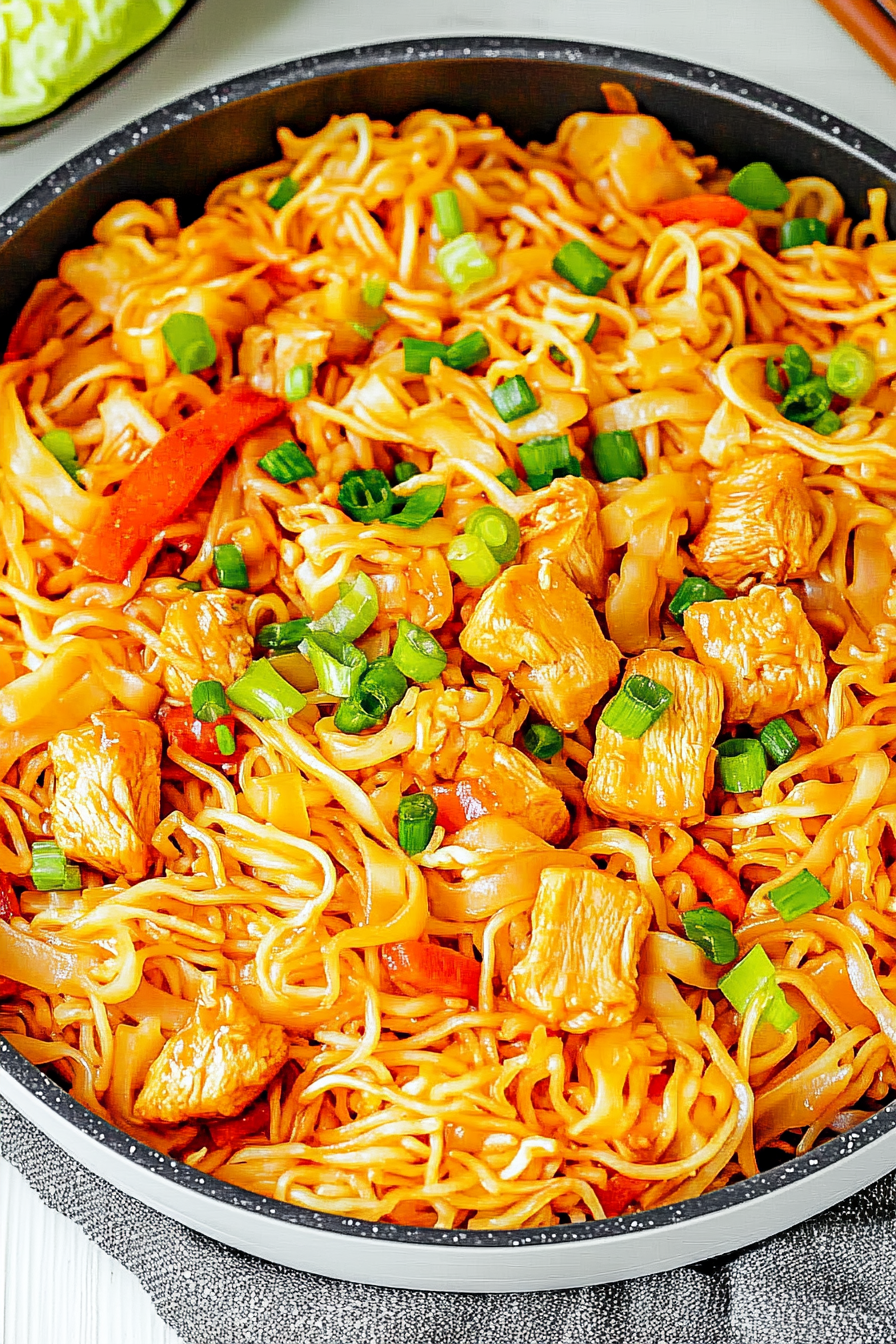
chicken chow mein

There’s something about the smell of sizzling garlic and soy sauce mingling with tender chicken and crisp veggies that whisks me right back to my college days when my roommates and I would gather around the tiny kitchen, hungry and eager for something quick, comforting, and undeniably delicious. Chicken chow mein has that magical quality—it’s familiar but still exciting, simple yet packed with flavor. Unlike your usual stir-fry, this dish has that perfect balance between chewy noodles and crunchy vegetables that makes every bite a little party in your mouth. Whether you’re craving takeout but want something homemade or just looking for a dish your whole family will devour (mine never get bored of it), this chicken chow mein recipe is a lifesaver on busy nights—and honestly, it’s become a beloved staple in my weeknight rotation.
What is chicken chow mein?
Think of chicken chow mein like a warm hug on a plate—it’s a classic Chinese-American dish that’s all about those silky, slightly crispy noodles tossed with juicy chicken, crunchy vegetables, and a savory sauce that pulls it all together. The name “chow mein” literally means “fried noodles” in Cantonese, which gives you a clue about the main technique here: stir-frying. It’s essentially noodles plus protein plus colorful veggies, all brought to life by a mouthwatering soy-based sauce. If you’ve ever ordered chow mein from a takeout menu, you know it’s a crowd-pleaser that’s both comforting and satisfying, yet you can actually make it at home without the mystery ingredients or long wait. I love how approachable it feels in your own kitchen, even if you’re not a pro wok master.
Why you’ll love this recipe?
What I love most about this chicken chow mein is how it hits every note without any fuss. First off, the flavor is out of this world—savory, a little sweet, with just the right hint of garlic and ginger to wake up your taste buds. It’s that kind of flavor you want to spoon up and savor slowly, but somehow you can’t stop eating it. Then there’s the simplicity; it’s genuinely a quick fix. I can pull it together from start to finish in 30 minutes—not something you always get from Asian takeout. The ingredients are staples in my pantry, which saves me from those last-minute dash-to-the-store moments. Oh, and it’s super budget-friendly. Chicken thighs or breasts, a couple of veggies, some noodles, and a handful of pantry essentials—you get a big, hearty meal without breaking the bank.
Plus, it’s versatile. Feel like swapping chicken for tofu? Go for it. Want to load it up with extra veggies? I’m all for it. It works just as well with egg noodles or even spaghetti in a pinch (not that I’m admitting it, but yeah, it’s kind of my lazy trick). This dish is also a hit with my kids—they always ask for seconds, which honestly makes me feel like a rockstar mom. If you’re a fan of stir-fries like beef and broccoli or sesame chicken, this chicken chow mein will feel right at home in your regular line-up. Trust me, once you whip up this version, you’ll wonder why you ever ordered takeout.
How do I make chicken chow mein?
Quick Overview
Here’s the gist: you’ll stir-fry your chicken and vegetables separately to preserve that perfect texture, cook your noodles until just tender, and then toss everything together in a skillet with a rich, soy-ginger sauce that clings to every ingredient beautifully. The magic here is in managing the heat and timing so your chicken stays juicy and your veggies stay crisp. It’s not complicated, but there’s a rhythm to it that becomes fun once you get rolling. Plus, it all comes together fast—definitely a win if you’ve got hungry mouths waiting!
Ingredients
For the Chicken and Marinade: For the Chicken and Marinade: For the Chicken and Marinade: For the Chicken and Marinade: For the Chicken
- 1 lb boneless, skinless chicken thighs or breasts, thinly sliced (thighs stay juicy longer)
- 2 tsp soy sauce (for marinating — use a naturally brewed, low-sodium if you can)
- 1 tsp cornstarch (this helps give the chicken a nice silky texture)
- 1 tsp sesame oil (adds that nutty layer of flavor)
For the Vegetables:
- 2 cups shredded cabbage (I always use green, but Napa works too)
- 1 large carrot, julienned or thinly sliced
- 1 bell pepper, thinly sliced (red or yellow adds great color)
- 3 green onions, cut into 1-inch pieces
- 2 garlic cloves, minced
- 1-inch piece of fresh ginger, finely grated
For the Noodles and Sauce:
- 6 oz Chinese egg noodles or thin spaghetti (cooked and drained, rinsed with cold water to stop cooking)
- 3 tbsp soy sauce (again, the real-deal kind is better here)
- 1 tbsp oyster sauce (if you’re out, hoisin can work but it’ll be sweeter)
- 1 tbsp Shaoxing wine or dry sherry (optional, but adds a lovely depth)
- 1 tsp sugar (balances the salty and savory)
- 1/2 tsp freshly cracked black pepper
- 2 tbsp vegetable or peanut oil (for stir-frying)
Step-by-Step Instructions
Step 1: Marinate the Chicken
Start by marinating your thinly sliced chicken in soy sauce, cornstarch, and sesame oil. This little soak only takes about 10 minutes but seriously changes the texture—your chicken will come out tender and silky. I usually prep this first thing so the flavors have time to meld while I get my veggies ready.
Step 2: Cook the Noodles
While the chicken marinates, get your noodles going. Cook them according to the package but stop just shy of fully soft—al dente is what you want because they’ll finish cooking in the stir-fry. Rinse them under cold water right after draining; this keeps them from sticking together when you toss everything later.
Step 3: Stir-Fry the Chicken
Heat 1 tablespoon of oil in a large skillet or wok over medium-high heat. Add your chicken in a single layer (don’t overcrowd!) and let it sizzle undisturbed for about 2 minutes, then stir-fry until just cooked through. Take it out and set aside—leaving it in too long makes it tough, so keep an eye on it.
Step 4: Stir-Fry the Veggies
In the same pan, add the rest of the oil. Toss in the garlic and ginger first, giving them a quick swish until fragrant (about 30 seconds). Then add the cabbage, carrot, and bell pepper. Stir-fry everything briskly for 3-4 minutes until the veggies are tender-crisp—this crunch is crucial to the texture balance. Throw in the green onions towards the end for a fresh pop of color and flavor.
Step 5: Combine Chicken, Noodles & Sauce
Return the chicken to the pan along with your drained noodles. Pour in the soy sauce, oyster sauce, Shaoxing wine, sugar, and a few grinds of black pepper. Toss everything together gently but thoroughly so the sauce evenly coats the noodles, chicken, and veggies. Taste, and if it needs a little more saltiness, add soy sauce a splash at a time. That savory glaze is what turns good into unforgettable.
Step 6: Serve it Up
Now for the best part—dig in! Serve chicken chow mein straight from the pan while it’s still piping hot. I love sprinkling a tiny drizzle of toasted sesame oil or a pinch of crushed red pepper flakes for extra personality. This recipe never lasts long at my house—my kids have a habit of sneaking seconds before I even get a plate on the table.
What to Serve It With
For Breakfast: I know it sounds wild, but leftover chicken chow mein reheated with a soft fried egg on top is an unbeatable breakfast. Pair with a black coffee or buttery green tea for a morning treat with a savory twist.
For Brunch: Plate your chow mein alongside a crisp Asian cucumber salad and a light sparkling jasmine tea. It feels fresh and festive without being too heavy—great for a weekend gathering.
As Dinner: Serve with simple miso soup and steamed edamame for a balanced and satisfying meal. A side of quick-pickled radishes adds a bright contrast that keeps things exciting.
For Cozy Snacks: When you want something casual, scoop the chow mein into lettuce wraps or pile it on toasted baguette slices for a crunchy, hand-held bite. It’s perfect for sharing while you binge your favorite shows or go lazy on a Sunday night.
In my family, we’ve turned this dish into all sorts of fun meals—sometimes doubling the veggies for my veggie-hungry teens, other times adding a splash of chili garlic sauce for a kick. No matter when or how you serve it, this chow mein always brings smiles and full stomachs.
Top Tips for Perfecting Your Chicken Chow Mein
Chicken Prep: Slice your chicken thinly and evenly—this helps it cook quickly and stay tender. If you have the time, marinating for 20-30 minutes ups the flavor, but even 10 minutes works wonders.
Vegetable Choices: Don’t overcrowd the pan when cooking veggies; high heat helps keep that crisp bite. If cabbage isn’t your thing, bok choy or snap peas also pair beautifully with this dish.
Cooking Noodles: Rinsing cooked noodles in cool water is key to prevent clumping and overcooking during the stir-fry. Toss them with a little oil if you’re prepping ahead to keep them from sticking.
Tossing Sauce: Add sauce gradually. You can always add more, but too much can drown the dish. That umami balance comes from layering flavors, not drenching.
Heat Control: Keep your pan really hot to get that signature slightly crispy texture on the noodles and chicken. But don’t get too carried away—stir-frying needs quick movement and attention so nothing burns.
Glaze Variations: For a twist, I sometimes stir in a teaspoon of hoisin or a drizzle of honey for a subtle sweetness that balances the salty tang. I found that adding chili oil at the end gives a nice warmth without overpowering the rest.
Over the years, I’ve learned that rushing the veggies or cutting corners on marinating leads to a flat, soggy chow mein that no one wants to eat. Patience and preparation really pay off here—trust me, it’s worth the extra 10 minutes!
Storing and Reheating Tips
Room Temperature: If you have leftovers, it’s best to cover and keep them out for no more than 2 hours to avoid the risk of bacteria. Just know, chow mein tastes best fresh.
Refrigerator Storage: Store in an airtight container for 3-4 days. I always separate any garnish like green onions or sesame seeds since they can wilt in the fridge. When reheating, add a splash of water or broth to bring back moisture and heat gently on the stove or microwave.
Freezer Instructions: You can freeze cooked chicken chow mein for up to 2 months. Portion it off in freezer-safe containers or bags, squeezing out as much air as possible. Thaw overnight in the fridge, then reheat quickly in a hot skillet for best texture.
Glaze Timing Advice: If you want to store leftovers, hold off on adding any finishing drizzle of sesame oil or chili oil until just before serving. These oils tend to lose their vibrancy and sometimes become bitter if stored too long.
Frequently Asked Questions
Final Thoughts
If you’re looking for a dish that’s as comforting as it is delicious, this chicken chow mein checks all the boxes. It’s one of those recipes where the flavors hit just right, the textures keep your interest, and the whole thing comes together faster than you’d expect. I love how it brings a little taste of my favorite takeout straight to my kitchen, with the bonus that I can tweak it any way I want. Honestly, it’s become a family classic—whenever I make it, the smell alone pulls everyone into the kitchen, and plates get cleaned in record time. If you give it a try, I’d love to hear how yours turns out—feel free to leave a comment, share your favorite twists, and maybe even sneak in some extra veggies like I do. Cooking should be fun and satisfying, and this recipe definitely puts the “yum” in your dinner routine. Happy cooking and can’t wait for you to make this your own!

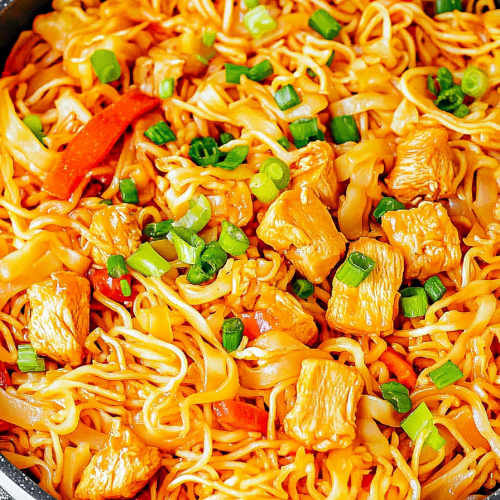
Easy Stir-Fried Chicken Noodles Recipe
Ingredients
Main Ingredients
- 0.25 cup lite soy sauce
- 1 tablespoon cornstarch
- 0.25 cup oyster sauce
- 2 tablespoons rice wine vinegar sometimes labeled as rice vinegar
- 4 teaspoons granulated sugar or to taste
- 1 tablespoon sesame oil or to taste
- 1 pound boneless skinless chicken thighs cut into 1-inch strips
- 1.5 tablespoons vegetable oil canola or olive oil
- 4 cloves garlic peeled and finely minced
- 5 cups green cabbage finely chopped
- 1 cup matchstick carrots
- 1 cup celery thinly sliced into half moons
- 8 ounces chow mein noodles dry/uncooked
- 0.75 cup water
- 4 units green onions ends trimmed and cut into 1-inch segments
- none finely sliced green onions for garnishing
Instructions
Preparation Steps
- In a small bowl, whisk together soy sauce and cornstarch until smooth.
- Add oyster sauce, rice wine vinegar, sugar, and sesame oil to the bowl; whisk to combine and set aside.
- Place chicken strips in a medium bowl and toss with 2 tablespoons of the sauce; marinate for 10-15 minutes.
- Cook chow mein noodles according to package instructions, drain, and set aside.
- Heat vegetable oil in a large skillet or wok over medium-high heat. Add chicken with marinade and stir-fry for 3-4 minutes until mostly cooked.
- Add minced garlic and cook for 1 minute, stirring constantly.
- Add cabbage, carrots, and celery; cook for 5 minutes until veggies soften.
- Add cooked noodles, remaining sauce, water, and green onion segments; toss and cook for 1 minute until heated through.
- Garnish with additional sliced green onions and serve immediately.